bluename
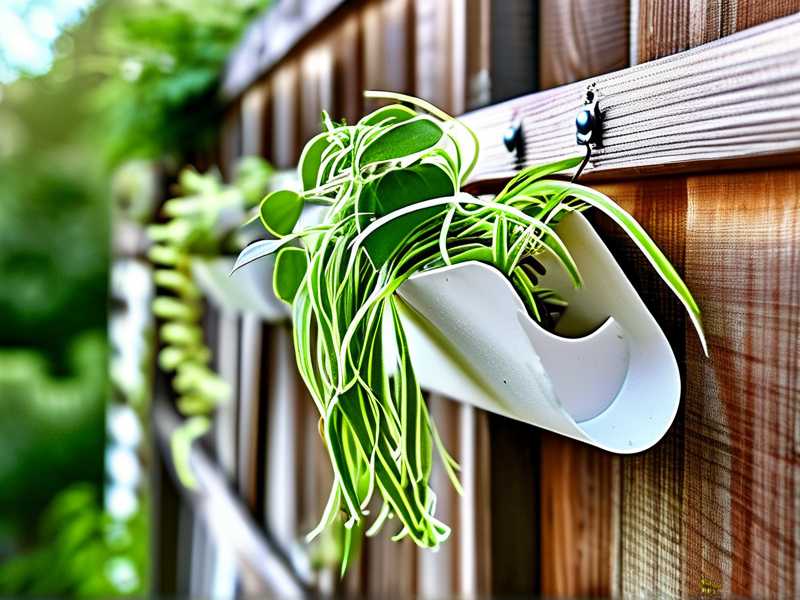
 Insect-Bitten spider plant Leaves: My Homemade Chili Water Insect Repellent Method
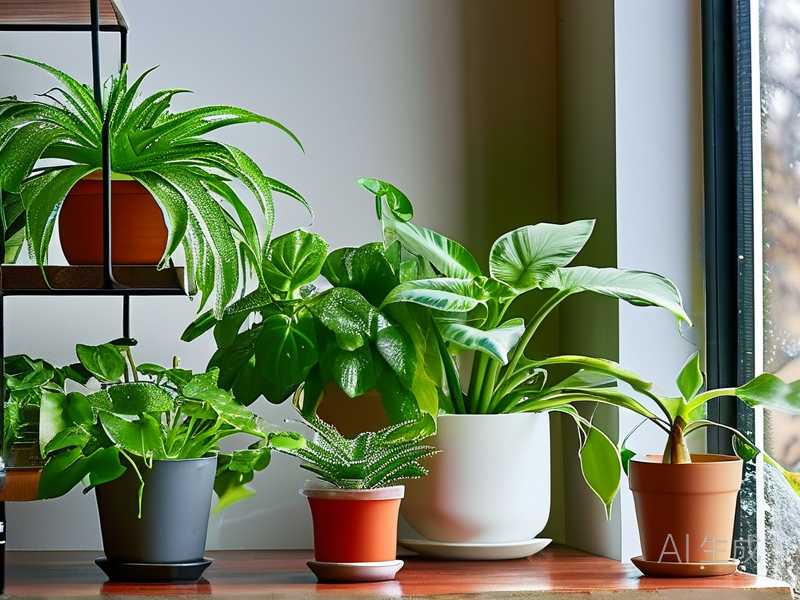
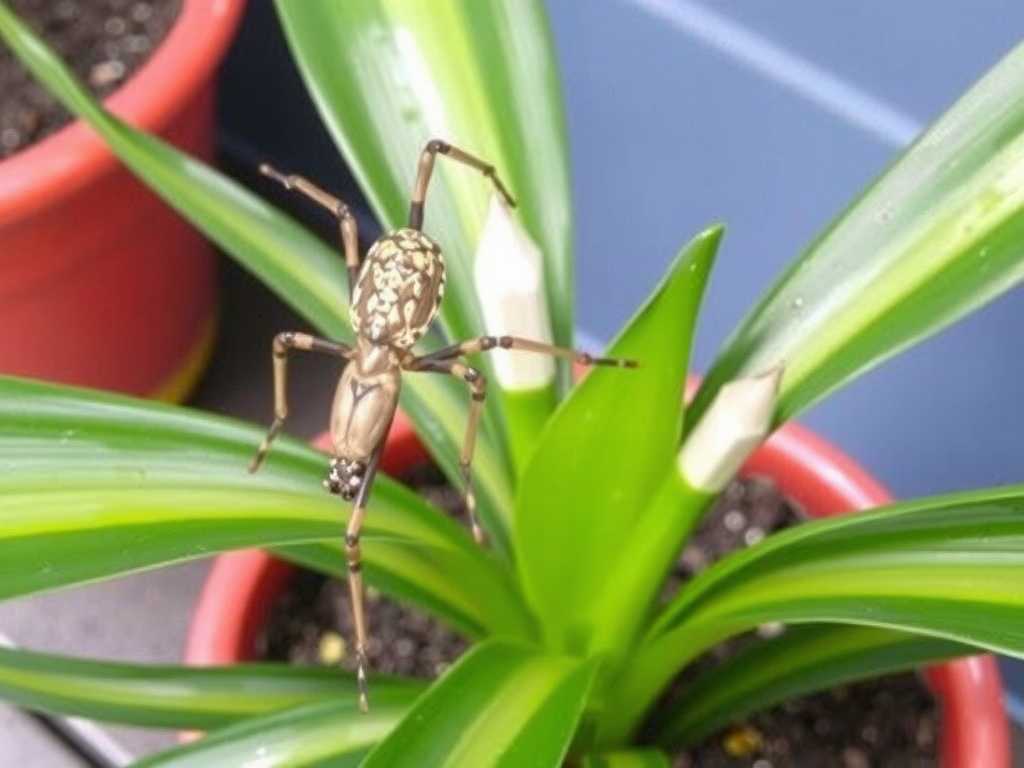
Seeing your beloved spider plant’s leaves speckled with bite marks and tiny webs is a heart-sinking moment for any plant parent. I’ve been there. Those delicate, arching leaves, once a symbol of vibrant health, become a battleground for pests like aphids and spider mites. After trying commercial sprays with mixed results and concerns about chemicals, I turned to a completely natural solution: a homemade chili water insect repellent. This is my detailed, two-week journey from problem to solution, specifically for treating insect-bitten spider plant leaves.
Why I Chose a Natural Route for My Spider Plant
Commercial insecticides can be harsh. I was worried about the residue on my indoor plants, especially with pets around. Research from sources like the RHS (Royal Horticultural Society) often recommends exploring non-chemical controls first for minor infestations. The idea of a chili-based spray made sense—capsaicin, the compound that makes chilies hot, is a well-known irritant to many soft-bodied insects. It was time to put this natural pest control method to the test on my suffering spider plant.
Gathering My Simple Supplies
You don’t need much for this natural insect repellent. I gathered:
- 5-6 fresh, hot red chilies (like cayenne or bird’s eye for potency).
- 1 liter of distilled water (to avoid any impurities in tap water).
- 1 teaspoon of mild liquid castile soap (as a natural surfactant to help the mixture stick to leaves).
- A blender, a fine strainer or cheesecloth, a spray bottle, and protective gloves.
Safety is paramount. I cannot stress enough: wear gloves! Handling chilies and then accidentally touching your eyes is an experience you want to avoid.
The Step-by-Step Creation and Application Process
Making the Concentrate: I roughly chopped the chilies, seeds included, and blended them with about two cups of distilled water until it was a pulpy liquid. I then poured this mixture through a cheesecloth-lined strainer into a bowl, squeezing out every last drop of potent chili juice. This concentrate is strong.
Preparing the Spray Bottle: I poured one cup of the chili concentrate into my clean one-liter spray bottle. I then filled the rest of the bottle with the remaining distilled water. Finally, I added the teaspoon of liquid castile soap and gently swirled to mix. The soap is crucial—it breaks the water’s surface tension, allowing the spray to coat the leaves evenly instead of beading up and rolling off.
The First Application – A Critical Step: Before spraying the entire plant, I performed a patch test. I sprayed a small, inconspicuous part of a single leaf and waited 24 hours. Spider plants can be sensitive, and this step prevented potential leaf burn. After no adverse reaction, I proceeded. I took the plant to my sink or balcony. Thorough coverage is key. I sprayed every part of the plant—the tops and bottoms of leaves, the stems, and even the soil surface. I made sure to drench the areas where the insects were most visible. The goal is to create an environment the pests find inhospitable.
The Two-Week Observation Diary: What Actually Happened
Days 1-3: Initial Aftermath. After the first application, the visible adult pests seemed less active. I repeated the spray every other day for the first week, as consistency is critical to interrupt the pest life cycle. I noticed a few more dead insects on the soil.
Days 4-7: The Turning Point. This is where I hit my first major snag. I noticed the tips of a few leaves starting to brown slightly—a classic sign of overdoing it or soap sensitivity. I had been too enthusiastic with my spraying frequency. My solution was immediate: I stopped spraying and flushed the soil with plain water to dilute any residual soap. I also adjusted my recipe for the next batch, reducing the liquid soap to half a teaspoon.
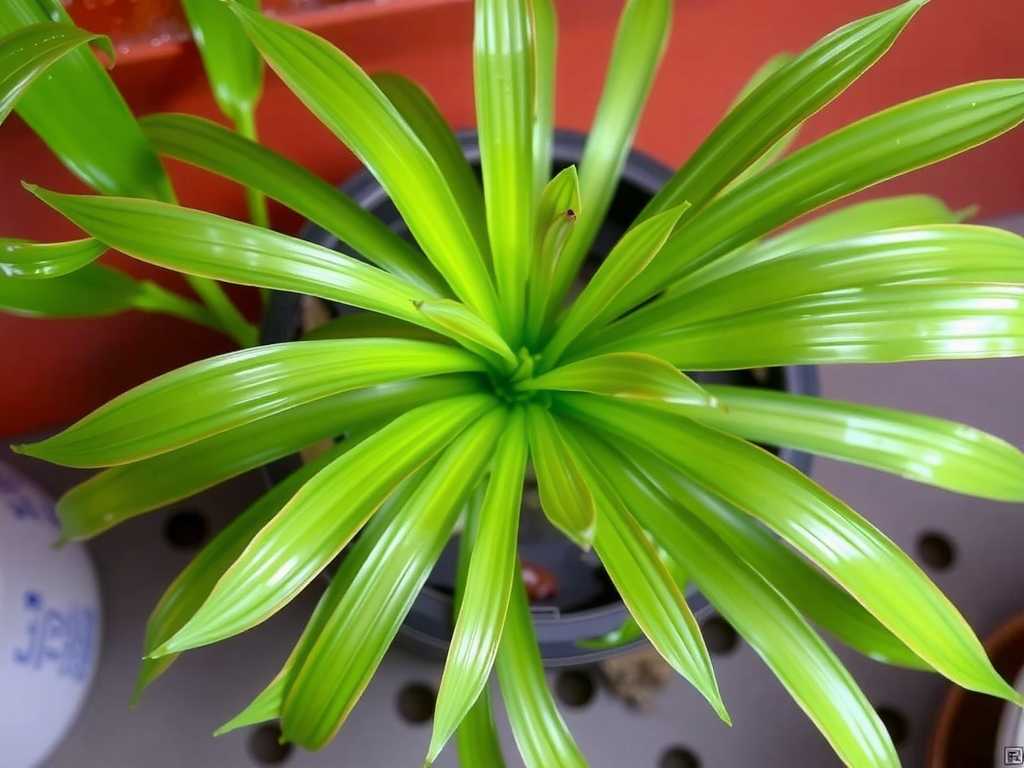
Days 8-14: Recovery and Vigilance. After a three-day break, I resumed spraying, but only twice a week with my milder formula. The browning stopped, and the new growth looked completely clean and untouched. Most importantly, I saw no signs of new insect damage on the older, insect-bitten spider plant leaves. The existing bite marks remained, as they are scars, but no fresh marks appeared. The plant’s overall energy seemed to improve.
Lessons Learned: Pitfalls and How I Fixed Them
- Over-Application: My biggest mistake was spraying too often. Fix: For spider plants, 2-3 times per week is ample. Always let the plant dry between treatments.
- Soap Sensitivity: Even mild soap can be too much. Fix: Halving the soap quantity or using an insecticidal soap specifically designed for plants worked perfectly. The AHSA (American Horticultural Society) notes that proper dilution of any soap is vital to prevent plant damage.
- Sunlight After Spraying: I once sprayed in the morning and placed the plant in direct sun, risking leaf burn. Fix: Always apply this, or any foliar spray, in the cool, shaded hours of early evening.
- Expecting Instant Eradication: This is a repellent and disruptor, not an instant poison. Fix: Patience. It takes several days to break the infestation cycle. Consistency with the corrected method yielded the best results for long-term pest control.
Why This Method Works for Spider Plant Pest Control
The chili water acts as a powerful deterrent. It doesn’t necessarily kill all pests on contact but makes the plant taste and feel terrible to them, encouraging them to leave. The mild soap component helps suffocate smaller soft-bodied insects. Together, they form an effective, non-toxic barrier. For a persistent spider plant pest infestation, this method, applied diligently, can bring it under control without resorting to harsher measures.
Will chili water spray harm my spider plant babies (pups)? I applied it carefully to the pups as well, using the same patch test first. They were more delicate, so I used a slightly more diluted mix and ensured they were not over-sprayed. They thrived.
How often should I use this as a preventative after the infestation is gone? Once the pests are gone, I now use a very diluted version as a monthly preventative during the growing season, focusing on the undersides of leaves. Prevention is always easier than cure.
Are there any insects this won’t work against? This homemade repellent is most effective against soft-bodied insects like aphids, spider mites, and whiteflies. It may be less effective against hard-shelled pests like scale or mealybugs, which might require physical removal with a cotton swab dipped in rubbing alcohol alongside the spray.
Seeing new, pristine leaves unfurl on my spider plant after two weeks was the ultimate reward. The homemade chili water insect repellent method required observation, adjustment, and patience. It’s not a magic bullet, but a sustainable, hands-on approach to plant care. By learning from my mistakes—the over-spraying, the soap issue—I now have a safe, effective tool in my plant care arsenal. For anyone facing those frustrating bites on their spider plant’s leaves, this natural path is absolutely worth exploring.