bluename
 Exposed Roots of spider plants: Is Soil Covering Necessary? Operation Method
You’ve just noticed the thick, white, tuberous roots of your spider plant pushing up and out of the pot’s soil. It looks strange, almost like the plant is trying to escape. Your first instinct is probably to grab some potting mix and bury them again. I did the same thing for years. But after a particularly stubborn spider plant kept exposing its roots no matter how many times I covered them, I decided to run a simple, two-week experiment. I wanted to answer the question once and for all: Are exposed roots on a spider plant a problem, and is soil covering truly necessary?
As a long-time indoor gardener, I’ve learned that sometimes the most common plant care instincts need to be questioned. The exposed roots of spider plants are a perfect example of this. This guide will walk you through my hands-on test, the results, and the correct operation method to ensure your Chlorophytum comosum stays thriving, not just surviving.
Understanding Spider Plant Roots: Storage, Not Suffocation
Before we dive into the experiment, it’s crucial to understand what these roots are. Those chunky, white structures are tuberous roots or rhizomes. According to the Royal Horticultural Society (RHS), these are specialized storage organs. They store water and nutrients, which is a key adaptation that makes spider plants incredibly resilient and drought-tolerant.
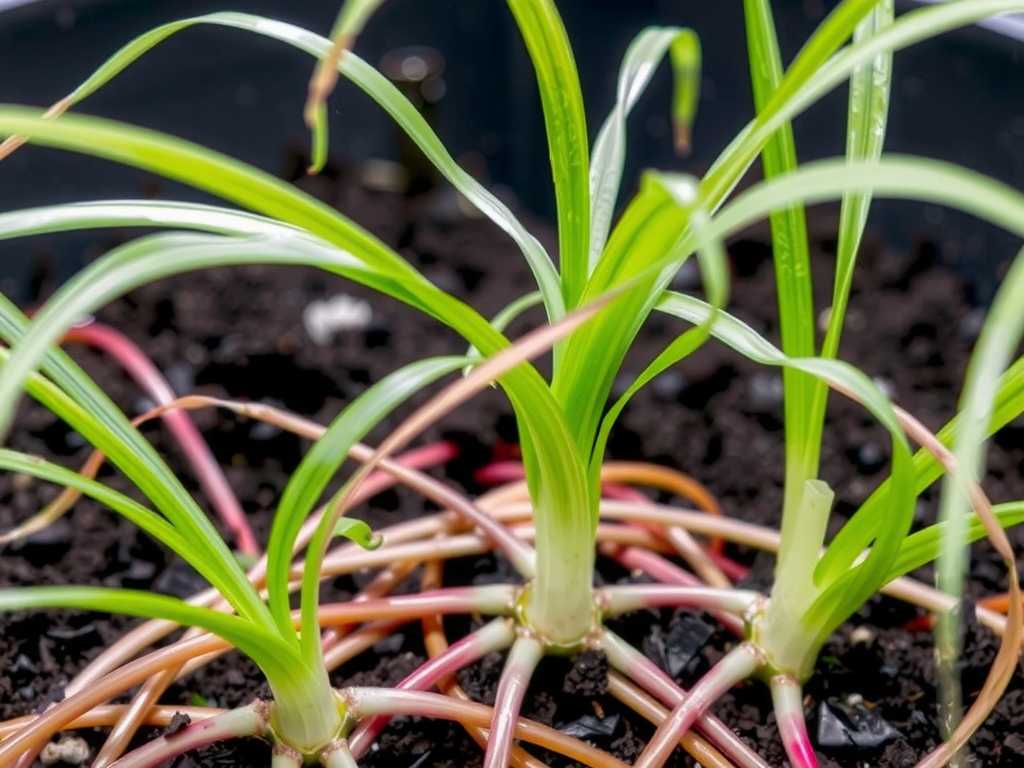
This means their primary function isn’t just absorption like fine root hairs. They are the plant’s built-in survival kit. When I learned this from an RHS article, it changed my perspective. Covering them might not just be unnecessary—it could potentially interfere with their natural function if done incorrectly.
My Two-Week Experiment: To Cover or Not to Cover?
I selected two mature, healthy spider plant pups that had developed pronounced exposed tubers. My goal was to observe them under different conditions for 14 days.
Plant A (The Control – Left Exposed): I left this plant’s roots fully exposed above the soil line. I placed it in its usual spot with bright, indirect light and committed to my normal watering routine—watering only when the top inch of soil felt dry.
Plant B (The Test – Re-buried): For this plant, I gently repotted it, covering all exposed roots with a fresh, well-draining potting mix. I ensured the soil level was about an inch below the pot’s rim. It received identical light and water as Plant A.
Week 1 Observations: The First Surprises
By day 3, I noticed my first “gotcha” moment with Plant B. The soil surface remained damp for much longer than the exposed soil of Plant A. This immediately raised a red flag about moisture. I realized that by burying the tubers, I had created a deeper soil volume that retained water, potentially slowing evaporation.
Plant A, with its roots exposed, showed no signs of distress. The tubers felt firm to the touch. Interestingly, the soil dried out more evenly, following a predictable cycle. There was no noticeable growth difference yet, but the moisture discrepancy was clear.
Week 2 Observations & The Big Revelation
In the second week, the difference became more pronounced. Plant B began to look slightly less perky. Upon a very careful investigation, I found the very tips of the newly buried tubers felt a bit soft. I had fallen into a classic trap: overpotting and overwatering by proxy. By adding more soil to cover the roots, I had inadvertently created an environment where the tubers stayed too moist, risking rot.
For Plant A, the exposed roots had slightly thickened and developed a papery, silvery outer layer—a sign of adaptation and suberization, much like a bark forming on a tree. The plant itself pushed out a new leaf. It was clearly thriving.
The experiment showed me that the necessity of covering spider plant roots is low, and the method for dealing with aerial roots is often to leave them be.
The Correct Operation Method: When and How to Act
So, when should you intervene? Here’s the practical, step-by-step method I now follow, born from my trial and error.
Step 1: Assess the Root Cause. Don’t just look at the roots; look at the whole plant. Is it root-bound? Gently slide the plant out of its pot. If you see a dense web of roots circling the bottom and sides, it’s time to repot. Exposed tubers are often a sign of a crowded root system pushing upward.
Step 2: The Right Way to Repot (If Needed). If the plant is root-bound, size up only 1-2 inches in pot diameter. Use a well-draining potting mix. Here was my key learning: Do not deliberately bury all exposed tubers deep. Place the root ball so that the base of the plant (where leaves emerge) is at the soil surface. It’s perfectly fine if some tubers sit at or slightly above the soil line. This respects their natural function and prevents moisture issues.
Step 3: Post-Repot Care. Water the plant thoroughly once after repotting, then return to your “soak and dry” routine. Resist the urge to water on a schedule. Let the plant’s condition and soil dryness guide you. The American Horticultural Society (AHS) emphasizes that proper watering based on plant need, not calendar dates, is the single most important practice for container plant health.
Common Pitfalls I Encountered (And How to Fix Them)
Pitfall 1: The Overwatering Spiral. This was my main error with Plant B. Adding soil to cover roots increases moisture retention around the tubers. Solution: Always use a fast-draining mix (I add perlite or orchid bark to mine) and water only when the soil is dry an inch down, regardless of how the exposed tubers look.
Pitfall 2: Using a Pot That’s Too Large. A pot that’s too big holds excess soil and moisture, which the roots can’t absorb quickly, creating a soggy environment. Solution: Repot into a container that is just slightly larger than the root ball. Spider plants actually enjoy being somewhat root-bound and will produce more pups in this state.
Pitfall 3: Disturbing the Plant Unnecessarily. Constantly digging up roots to cover them causes stress. Solution: Trust the plant. If it’s green, growing, and producing plantlets (spiderettes), the exposed roots are not a problem. Intervention is only needed for repotting due to being root-bound.
Will exposed roots kill my spider plant? Absolutely not. In my experience and according to botanical resources, these exposed storage roots are a normal adaptation. They do not harm the plant and are a sign of a mature, healthy specimen. Your plant is not in danger.
My spider plant’s exposed roots look dry and shriveled. Should I be worried? A slight papery texture is normal, as I saw in my experiment. However, if they become severely shriveled, mushy, or discolored (brown/black), it points to a different issue—likely underwatering for shriveling or overwatering/rot for mushiness. Adjust your watering practice based on the soil, not the appearance of the tubers.
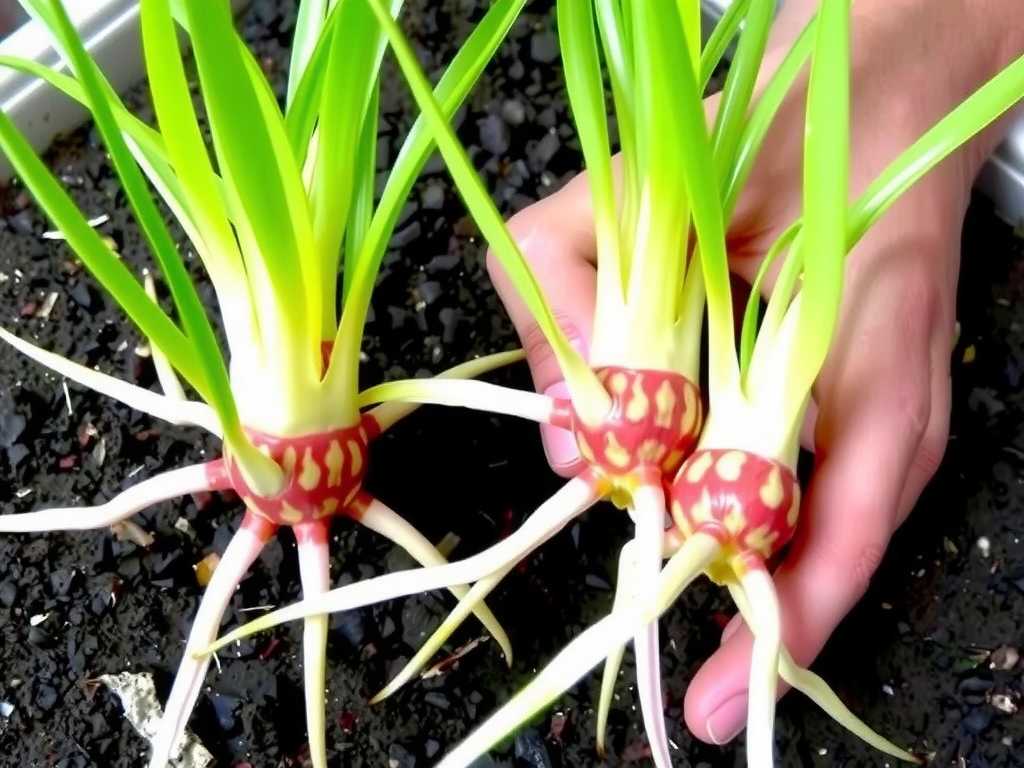
How often should I repot a spider plant with exposed roots? Repot only when it becomes root-bound, typically every 2-3 years. The presence of exposed tubers alone is not a signal to repot. The signal is slowed growth, roots growing out of drainage holes, or soil that dries out impossibly fast because it’s more roots than soil.
The journey with my spider plants taught me a valuable lesson in plant care: sometimes, the best action is inaction. Exposed roots on a spider plant are not an error to be corrected but a feature to be understood. The necessary soil covering is minimal and should only be addressed during a repotting prompted by being root-bound, not by the roots’ visibility. By focusing on providing bright, indirect light and watering thoroughly but infrequently, you allow those clever, exposed storage roots to do exactly what nature intended: keep your resilient spider plant flourishing for years to come.