bluename
 Yellowing and Curling Leaves on spider plants: My Dual Solution for Water and Nutrient Deficiency
I’ve been there. You walk over to your beloved spider plant, that once vibrant fountain of green and white, and your heart sinks. The tips are browning, the leaves are turning a sickly yellow, and they’re starting to curl inwards like they’re trying to hide from the light. It’s a classic, frustrating sight for any plant parent. For years, I assumed it was just a simple case of overwatering or underwatering. But through trial, error, and a lot of patient observation, I’ve learned that yellowing and curling leaves on spider plants are often a dual signal—a cry for help pointing to intertwined issues of both water and nutrient deficiency. Let me walk you through the two-week corrective journey I undertook, the mistakes I made along the way, and the simple, effective dual solution that brought my plant back to life.
Understanding the Dual Culprits Behind the Distress
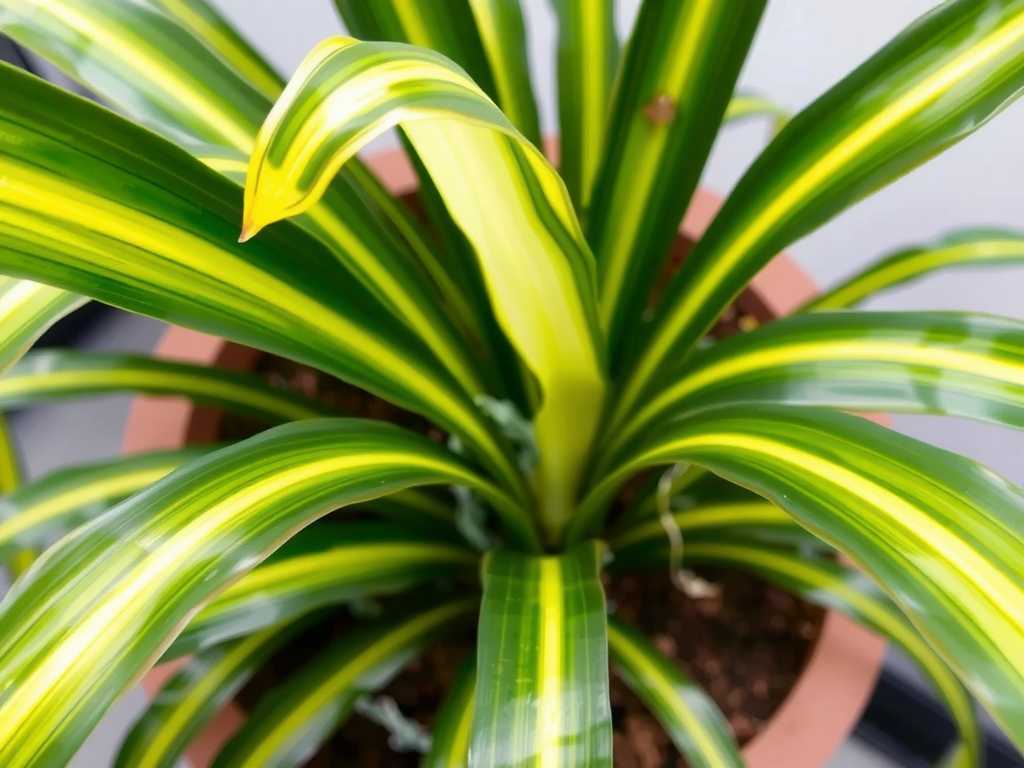
When a spider plant’s leaves lose their lush green color and begin to curl, it’s easy to panic and douse it with water. I did that. It made things worse. The curling is often a moisture-preservation tactic, while the yellowing can signal a lack of essential nutrients, particularly nitrogen. The Royal Horticultural Society (RHS) notes that chlorosis (yellowing) in spider plants is frequently linked to both improper watering that locks out nutrients and an actual lack of fertilizer in the soil. They’re two sides of the same coin. A plant in soggy, compacted, or depleted soil simply can’t access what it needs, leading to this combined visual distress.
My Step-by-Step Two-Week Recovery Plan
I decided to tackle both problems simultaneously on a stressed Chlorophytum comosum that had several yellowing, curling leaves. Here was my action plan.
Week 1: The Assessment and Corrective Foundation
First, I had to diagnose the root cause—literally. I gently slid the plant from its pot. The soil was oddly both dry on top and soggy at the very bottom, with roots looking pale and crowded. This was a classic case of inconsistent watering leading to poor root health and compacted soil, a perfect setup for nutrient deficiency in spider plants.
My immediate steps were:
- The Gentle Repot: I chose a pot only one inch larger with excellent drainage. Using a fresh, well-draining potting mix (I used a standard mix with a handful of perlite added), I repotted the plant, gently loosening the root ball without being too aggressive.
- The Strategic Watering Reset: Instead of a heavy soak, I gave it a moderate, thorough watering until it drained from the bottom, ensuring the new soil was evenly moist. I placed the pot on a saucer but emptied any collected water after 15 minutes to prevent “wet feet.”
- The Initial Nutrient Boost: Following the American Horticultural Society’s (AHS) guidance on fertilizing stressed plants, I used a balanced, water-soluble fertilizer (20-20-20) but diluted it to half the recommended strength. This provided a gentle, accessible nutrient source without shocking the fragile roots.
I placed the plant in a spot with bright, indirect light and made a solemn vow not to water it again until the top inch of soil was dry to the touch.
The First Week’s Observations and a Big Mistake
For the first 3-4 days, the plant looked… the same. Maybe even a little sadder. One slightly yellow leaf turned fully yellow. I panicked. My mistake was the urge to do more—to water it again or give it another dose of fertilizer. This is a critical pitfall. Plants need time to adjust. Overcorrecting is what kills them. I stuck to my plan and resisted.
By day 6, I noticed the curling leaves seemed slightly less tight. They hadn’t unfurled, but they’d lost that desperate, clenched appearance. This was my first sign of success: the plant was beginning to hydrate properly at the root level.
Week 2: Consistency and Observation
At the start of week two, the top inch of soil was dry. I performed my “knuckle test” and watered thoroughly again with plain, room-temperature water, ensuring a good drain. The plant now had a more perky posture.
My key action this week was the second diluted fertilizer application. I repeated the half-strength feeding seven days after the first. This consistent, mild feeding is crucial for addressing spider plant leaf curl and yellowing caused by nutrient lack, as it steadily replenishes what the soil lacks without chemical burn.
The Transformation Unfolds
The change in the second week was remarkable. By day 10, the existing healthy green leaves looked plumper and shinier. The yellowing on the affected leaves had stopped spreading. Most excitingly, from the center of the plant, I spotted a tiny, bright green nub—a new leaf was emerging!
By day 14, the new leaf was unfurling, perfectly green and flat, with no sign of curl. The older, partially yellowed leaves did not fully revert to green (they rarely do), but their decline had completely halted. The plant’s overall vibe had shifted from “struggling to survive” to “actively growing again.” The dual approach of correcting watering habits and implementing a gentle, consistent nutrient schedule had worked.
Key Lessons from My Missteps
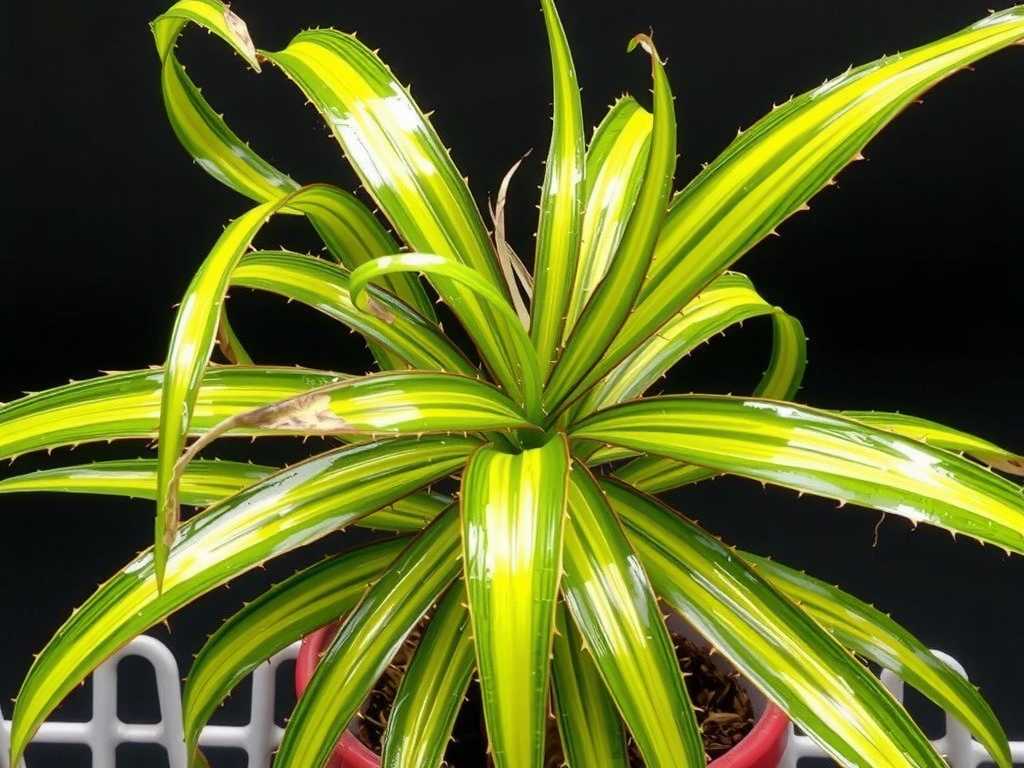
- Patience is Non-Negotiable: The biggest坑 (pitfall) is expecting overnight miracles. Plant recovery is measured in weeks, not days. My initial panic almost led me to overwater.
- Less is More with Fertilizer: Using full-strength fertilizer on a stressed plant is like offering a steak to someone with a stomach bug. A diluted, gentle approach allows the roots to heal and absorb nutrients effectively.
- Drainage is Everything: That old, clogged pot was a silent killer. Repotting into a well-draining mix and container was the foundational step without which the watering and feeding corrections would have failed.
Your Questions, Answered
Can I just cut off the yellow leaves? Yes, but with timing. I recommend waiting until the plant is actively growing again (like after my two-week mark). Then, use clean scissors to snip off the fully yellow leaves at the base. Removing struggling leaves allows the plant to redirect energy to new growth.
How often should I fertilize my spider plant to prevent this? During the active growing seasons (spring and summer), I now feed mine with a balanced liquid fertilizer diluted to half-strength every 4-6 weeks. In fall and winter, I stop entirely. This prevents salt buildup in the soil, which itself can cause browning tips and nutrient lockout.
My spider plant’s leaves are curling but still green. What does that mean? This is typically a stronger sign of underwatering or very low humidity. The plant is curling to reduce surface area and conserve moisture. Before you fertilize, try a consistent watering check and consider a light misting or a humidity tray. Address the water issue first, then assess if nutrients are needed.
Seeing your spider plant overcome yellowing and curling leaves is incredibly rewarding. It taught me that these resilient plants communicate clearly through their foliage. The solution isn’t a single action but a balanced, patient strategy that addresses both their thirst and their hunger. By mastering the rhythm of proper watering and mindful, diluted feeding, you’re not just fixing a problem—you’re learning the language of your plant, setting it up for a long, lush, and vibrant life.