bluename
 Waterlogging in spider plant Potting Soil: Dredging and Modification of Pot Drainage Holes
If you’ve ever lifted a spider plant pot and seen water pooling in the saucer days after watering, or noticed your plant’s leaves turning from vibrant green to a sickly yellow and brown, you’ve met the silent killer: waterlogging. I’ve been there, staring at my beloved Chlorophytum comosum, its usual perky demeanor gone, replaced by drooping, mushy leaves. The culprit was almost always the same—waterlogging in spider plant potting soil. It’s a frustratingly common issue that stems from one critical flaw: inadequate drainage. Over the years, I’ve learned that fixing this isn't just about watering less; it's a proactive rescue mission centered on one key task: dredging and modifying pot drainage holes.
My journey from repeated failures to healthy, thriving spider plants taught me that effective pot drainage hole modification is the cornerstone of plant health. This isn't a quick fix but a fundamental practice. In this guide, I’ll walk you through my hands-on, step-by-step process for diagnosing waterlogging, performing emergency and long-term fixes for drainage holes, and the crucial two-week observation period that follows. I’ll also share the mistakes I made along the way so you can avoid them.
Understanding Why Spider Plants Drown: The Science of Soggy Soil
Spider plants are famously tolerant, but they have an Achilles' heel: their roots despise "wet feet." In their natural habitat, they grow in well-draining conditions. When confined to a pot, poor drainage in potted plants creates an anaerobic environment. This means oxygen is pushed out of the soil, and the roots literally suffocate and begin to rot. According to the Royal Horticultural Society (RHS), root rot caused by waterlogged compost is one of the most common causes of houseplant death. It’s a slow, preventable tragedy.
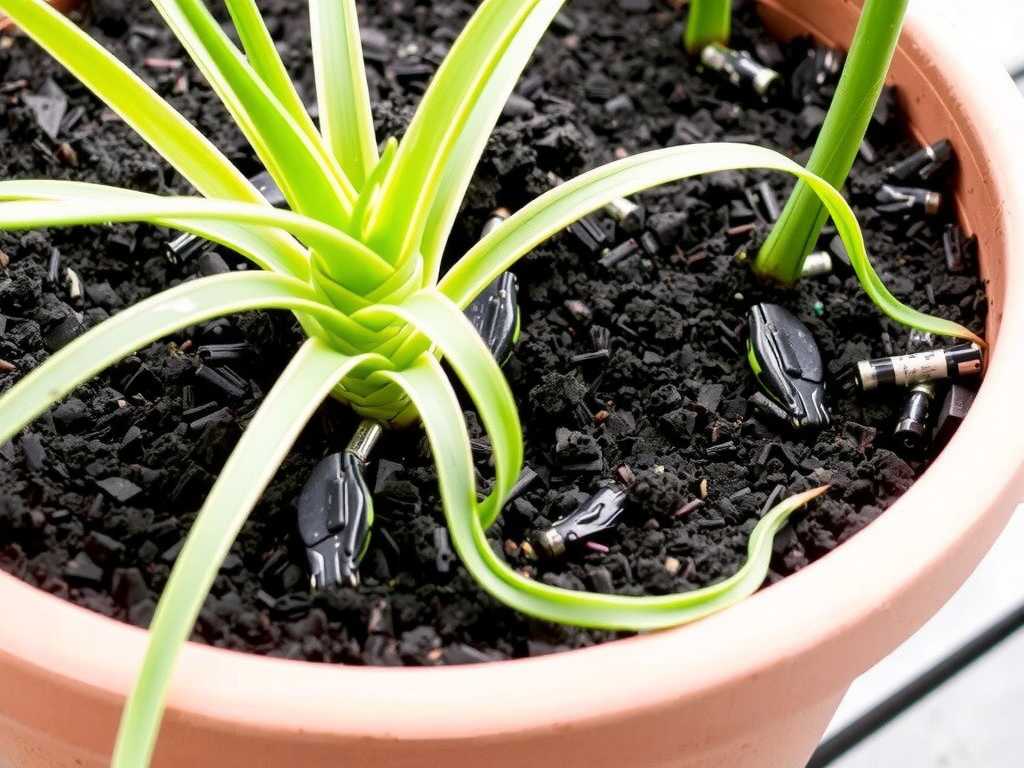
The signs are clear: yellowing leaves, especially at the base; a general lack of new growth (spiderettes stop forming); soft, brown leaf tips that go beyond typical fluoride-induced browning; and a persistently damp, sometimes musty-smelling soil surface long after watering. If you see these, it's time for intervention, starting from the bottom up.
Step 1: The Emergency Assessment and Initial Dredging
The moment I suspect waterlogging, I stop watering immediately. My first diagnostic step is to check the existing drainage. I gently tip the pot on its side and inspect the holes. More often than not, I found them either too small, too few, or completely clogged with compacted soil and root debris.
My Real Steps:
- I prepared a workspace with old newspapers.
- Using a small, sturdy tool like a skewer, a thin screwdriver, or even a dedicated potting drill bit (by hand, not powered), I carefully inserted it into each drainage hole from the outside.
- I gently twisted and cleared out any compacted soil, matted roots, or mineral deposits. The goal here is dredging the drainage holes to restore immediate water flow.
- I then watered the plant lightly in the sink and observed. If water flowed through freely, the emergency fix was a success. If it still dripped slowly, I knew a more permanent modification was needed.
The First Pitfall I Encountered: I used too much force with a thick tool and accidentally cracked a thin plastic pot. My solution was to be more patient and use the thinnest tool possible, wiggling it gently to loosen debris without stressing the pot material.
Step 2: The Permanent Fix – Modifying and Enhancing Drainage Holes
Clearing existing holes is often just a temporary reprieve. For long-term health, I learned to improve soil drainage for spider plants by enhancing the pot's infrastructure. This is the core of pot drainage hole modification.
My Real Steps for Pot Modification:
- Choosing the Right Tool: For plastic and fiberglass pots, I use a cordless drill with a sharp, 1/4-inch to 1/2-inch masonry or tile bit (these grip slick surfaces better than standard bits). For ceramic or terracotta, I use a specialized diamond-tipped hole saw bit, which I keep cool by dipping in water frequently.
- Safety First: I always wear safety glasses and work on a stable, protected surface. I place a piece of scrap wood inside the pot where I intend to drill to prevent blowout and provide support.
- The Drilling Process: I start at a low speed, applying gentle, consistent pressure. For pots with no holes (a common issue with decorative cache pots), I drill 3-4 new holes evenly spaced. For pots with insufficient holes, I add 2-3 more around the existing one. The key is to create enough exits for water to escape rapidly.
- Smoothing the Edges: After drilling, I use a small file or sandpaper to smooth any rough, sharp edges from the new holes. This protects the roots and allows for cleaner water flow.
The Major Pitfall I Overcame: On my first attempt with a ceramic pot, I drilled too fast and without water cooling. The heat caused the glaze to crack radially from the hole. My solution was to invest in the proper diamond bit and adopt a slow, patient, "low and slow" approach with constant water lubrication. It takes longer but saves pots.
Step 3: The Holistic Approach – Soil and Potting Technique
Modifying holes is ineffective if the soil itself is a dense, water-retentive blob. The American Horticultural Society (AHS) emphasizes that a well-draining potting mix is as vital as the pot's drainage. I never use garden soil, as it compacts terribly in containers.
My Recipe for Success:
- I create a custom mix: 2 parts standard potting soil, 1 part perlite, and 1 part coarse orchid bark or coconut coir. This ensures a light, airy, and fast-draining structure.
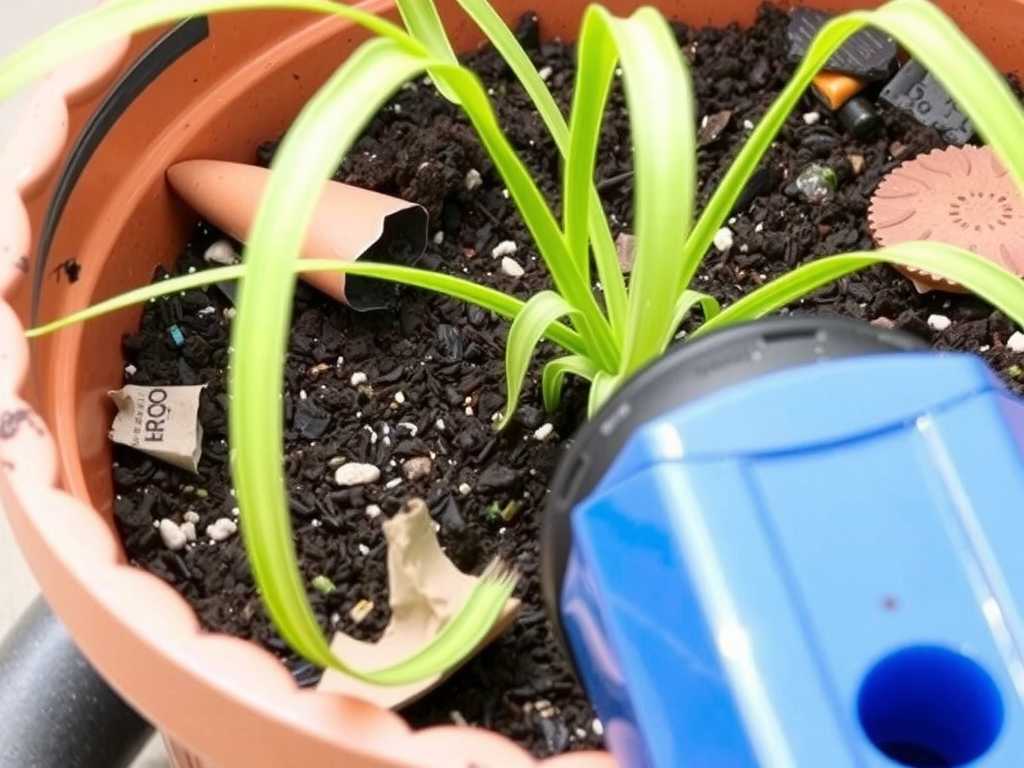
- When repotting (which I did immediately after modifying the pot), I always place a single, concave piece of broken pottery or a mesh screen over the holes. This prevents soil washout without impeding water flow—a critical distinction. I avoid using a thick layer of pebbles at the bottom, as research has shown this can actually create a "perched water table" and worsen drainage.
The 2-Week Observation: Documenting Recovery
After the emergency dredge, pot modification, and repotting into fresh, airy mix, the real test began. I committed to a strict two-week observation regimen.
Week 1: The Adjustment Period
- Day 1-3: The plant looked stressed and droopy—a normal reaction to repotting. I placed it in bright, indirect light and resisted the urge to water. The soil surface was dry, but moisture meters showed dampness at the root level.
- Day 4-7: I noticed the yellowing on the oldest leaves had stabilized; no new leaves were turning yellow. The soil dried out significantly faster than before. At the end of week one, I gave it a thorough but careful watering in the sink. The result was transformative: water flowed freely out of all the new and cleared holes within seconds. No pooling in the saucer.
Week 2: Signs of Revival
- Day 8-14: This was the turning point. The central leaves, which had been slightly limp, began to firm up and regain their arching posture. I observed the very first signs of new, pale green root tips visible through the drainage holes—a sure sign of healthy root activity. Most importantly, the soil moisture cycle normalized, drying out appropriately between waterings. The threat of waterlogging in spider plant potting soil was officially over.
Common Questions from Fellow Plant Lovers
How many drainage holes are enough for a spider plant? There's no magic number, but for pots 6-10 inches in diameter, I aim for a minimum of 3-4 substantial holes (at least 1/4-inch wide). Larger pots need more. The goal is to see water exit freely from multiple points, not just a slow drip from one.
Can I save a spider plant that already has root rot from poor drainage? Yes, absolutely. The process is more intensive. After modifying the pot, you must unpot the plant, wash the roots, and use sterile shears to cut away all soft, brown, or mushy roots back to firm, white tissue. Repot in the fresh, well-draining mix described above and water very sparingly until new growth confirms recovery.
My pot has drainage, but the soil still stays wet for too long. What's wrong? This often points to two issues: the soil mix itself is too dense and water-retentive, or the plant is in a pot that is too large. Spider plants prefer to be slightly root-bound. A pot that is too big holds excess soil that stays wet long after the roots have absorbed what they need. Downsize the pot or amend the soil with more perlite or pumice for better drainage in container gardening.
Watching a spider plant recover from the brink of drowning is incredibly rewarding. The journey taught me that fixing waterlogged plant soil is less about a single action and more about creating a system—where freely draining holes, an aerated potting mix, and mindful watering work in harmony. By taking the time to properly dredge and modify your pot's drainage, you're not just fixing a problem; you're building the foundation for a resilient, thriving plant that will reward you with cascading spiderettes for years to come. Start from the bottom, and everything else follows.