bluename
 Whitening and Wilting Leaves on spider plants: Remedial Measures for Excessive Light
I love my spider plants. Their vibrant green and white stripes have been a constant source of joy in my home. But recently, that joy turned to concern. I noticed the once-lush leaves on my favorite Chlorophytum comosum were looking pale, almost bleached, and some tips were turning brown and crispy. The plant seemed limp, losing its characteristic perky arch. After some frantic research and comparing notes with fellow plant enthusiasts, I pinpointed the culprit: too much of a good thing. My spider plant was suffering from excessive light exposure, leading directly to whitening and wilting leaves on spider plants.
This is a common issue, especially for those of us who believe more light always equals better growth. The Royal Horticultural Society (RHS) notes that while spider plants tolerate a range of light conditions, direct, harsh sunlight can scorch their leaves, causing discoloration and stress. My plant was a textbook case. I had moved it to a south-facing windowsill, thinking the bright light would boost its variegation. Instead, it triggered the problem I was trying to solve.
I knew I had to act fast. Over the next two weeks, I embarked on a rescue mission, documenting every step, every setback, and every small victory. Here is my complete, firsthand account of diagnosing and remedying spider plant light damage.
Diagnosing the Problem: It's Definitely the Light
Before you treat any plant ailment, correct diagnosis is key. The symptoms of light stress can mimic other issues, like under-watering or nutrient deficiency. Here’s how I confirmed my suspicion.
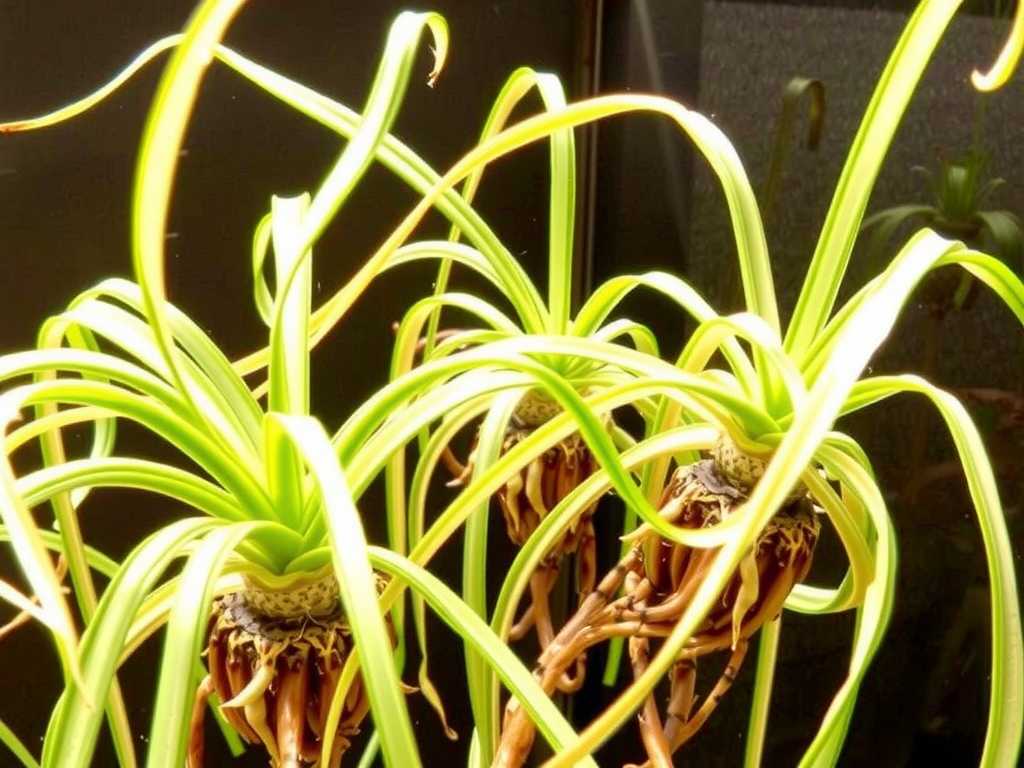
The most telling sign was the bleached appearance of spider plant leaves. The rich green stripes had faded to a yellowish-white, and the white variegation looked washed out. This is called sunscald or photobleaching. The plant's chlorophyll, essential for photosynthesis, breaks down under intense light stress.
Accompanying the whitening was wilting. The leaves felt thinner and drooped dramatically, even when the soil was moist. This wilting wasn't from thirst; it was from the plant losing water faster than its roots could absorb it under the intense light and heat. Brown, crispy tips and edges were the final clue—direct scorching from the sun's rays.
I compared this to the American Horticultural Society's (AHS) description of light-related damage. Their resources clearly state that plants adapted to indirect light, like spider plants, will exhibit leaf scorch, color fade, and general decline when placed in direct, hot sun. My plant checked every box.
My Two-Week Rescue Plan: Step-by-Step Remedial Measures
Once diagnosed, I implemented a multi-step correction plan. Patience was crucial, as recovery doesn't happen overnight.
Week 1: Immediate Intervention and Relocation
My first action was the most critical: moving the spider plant out of direct sun. I relocated it to a spot about 6 feet back from the same south-facing window, where it received bright, but completely indirect, light. A north or east-facing window would also be perfect. This immediate change halts further damage.
Next, I assessed its hydration. The soil was dry on top. I gave it a thorough, deep watering until water ran freely from the drainage holes. I made sure to empty the cache pot afterward, as soggy soil combined with stress could invite root rot. I did not fertilize. A stressed plant cannot use fertilizer effectively; it can even burn the weakened roots.
I then took a pair of sterilized scissors and made a tough decision. I trimmed away the most severely bleached and crisped leaves. They would not recover. This wasn't just cosmetic; it allowed the plant to redirect its limited energy to healing and pushing out new, healthy growth.
The First Setback: Overwatering in Panic Here was my first mistake. In my zeal to help my wilting plant, I watered it again just three days later, fearing the wilting meant it was still thirsty. The leaves became even limper, and the soil stayed wet. I had confused light-stress wilting with drought stress. I immediately stopped. I gently aerated the soil surface with a chopstick and placed the plant in a spot with good air circulation to help the soil dry out more evenly. This taught me to always check the soil moisture with my finger first, not just react to leaf appearance.
Week 2: Observation, Adjustment, and Signs of Hope
By the start of the second week, the rapid decline had stopped. No new leaves showed bleached spots. The existing wilting improved slightly; the leaves were less limp, though the bleached color remained.
My focus shifted to optimal care. I watered only when the top inch of soil was dry. I also increased humidity around the plant. Spider plants enjoy moderate humidity, and dry air exacerbates brown tips. I placed a small humidifier nearby and grouped it with other plants to create a microclimate. A pebble tray with water is a great alternative.
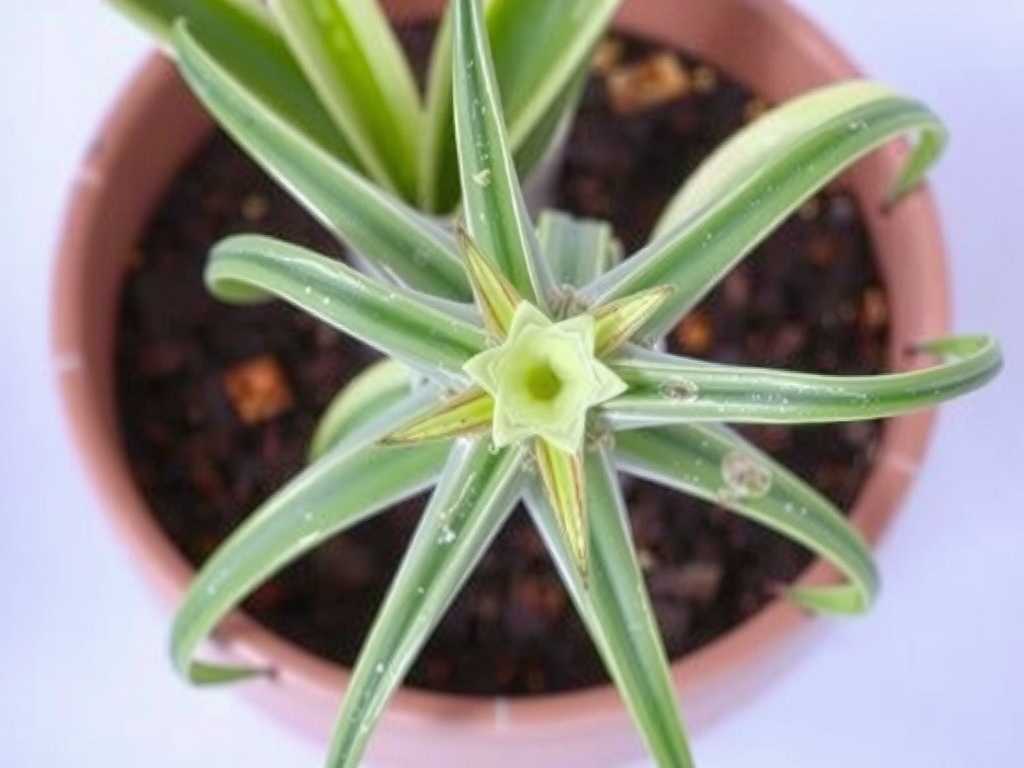
The most exciting moment came near the end of Week 2. Peeking from the center of the plant, I spotted the tiny, pointed tip of a new leaf emerging. It was a clear, vibrant green. This was the ultimate sign my plant was recovering and had enough energy for new growth.
Long-Term Health: Preventing Future Light Stress
Recovery is one thing; preventing a repeat is another. I learned to understand my spider plant's true light needs.
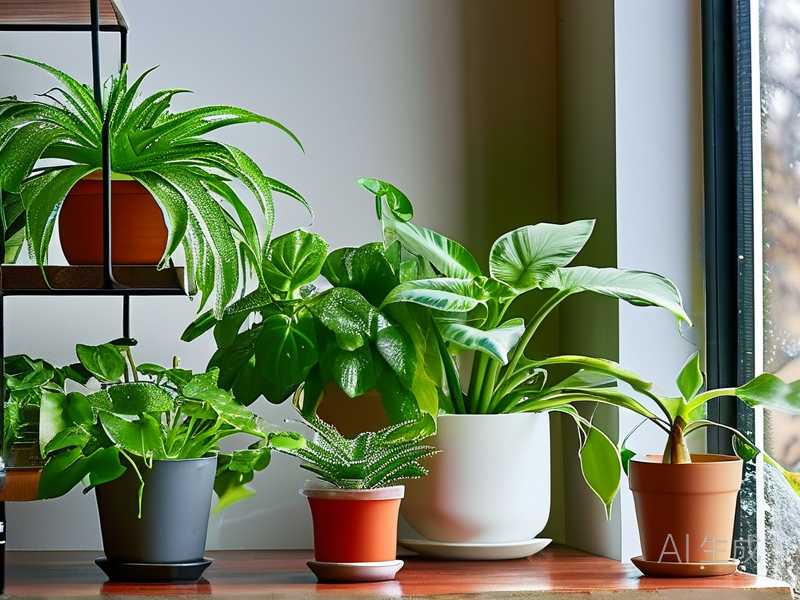
Spider plants thrive in bright, indirect light. Think of the light in a spot where you can read comfortably without turning on a lamp, but where the sun's rays never directly touch the foliage. Their variegation, especially in varieties like 'Vittatum', is best maintained in this condition, not in direct sun.
I now use the "shadow test." If the plant casts a soft, fuzzy shadow, the light is perfect. If the shadow is sharp and well-defined, the sunlight is too direct. During intense summer months, I use a sheer curtain to diffuse the light even further. Remember, light intensity changes with the seasons. A spot that's perfect in winter might be too harsh in summer, requiring seasonal adjustments.
Your Questions, Answered
Can the bleached leaves ever turn green again? No, unfortunately. Once a leaf is bleached or scorched, the damage is permanent. The chlorophyll is destroyed. The plant will focus its energy on new growth. You can trim the damaged leaves for aesthetics once the plant is stable and showing new growth.
My spider plant is in indirect light but still has brown tips. What gives? While light is a prime suspect, brown tips are also the spider plant's classic sign of low humidity or chemicals in water. They are sensitive to fluoride and chlorine in tap water. I now use filtered, distilled, or rainwater, and I maintain higher humidity. This, combined with correct light, has virtually eliminated brown tips on my new growth.
How long does full recovery take? Don't expect a overnight fix. Stopping further damage is immediate upon moving the plant. Stabilization, where wilting improves and new growth initiates, can take 2-3 weeks, as it did for me. A full recovery, where the plant regains its bushy, vibrant appearance, can take several months as it replaces the damaged foliage. Consistency in care is your greatest tool.
Seeing that first new green leaf unfurl was incredibly rewarding. It was a testament to the plant's resilience and a lesson in attentive, not assumptive, care. Whitening and wilting leaves on spider plants is a clear distress signal for too much light. The remedy isn't complex, but it requires swift action and patience. By moving your plant to a gentle, bright space, adjusting your watering to its true needs, and providing a little extra humidity, you can guide your spider plant back to health. Mine is now fuller and happier than ever, a living reminder that in plant care, as in many things, balance is everything.