bluename
 Aphid Infestation on spider plants: My 2-Week Battle Using Natural Enemies (Ladybugs)
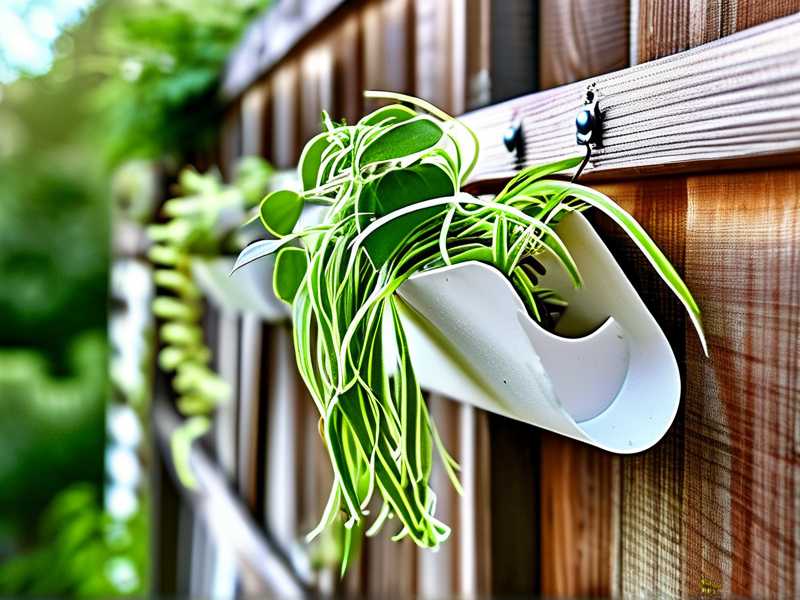
I was heartbroken. My beloved, vibrant spider plants, usually a cascade of cheerful green and white, were under siege. The new growth was curling, leaves were sticky with honeydew, and a closer look revealed clusters of tiny, pear-shaped pests—aphids. I knew I had to act fast against this aphid infestation on my spider plants, but I was determined to avoid harsh chemicals. My solution? Recruiting an army of natural predators. This is my detailed, two-week journal of using ladybugs for aphid control, from hopeful release to final assessment.
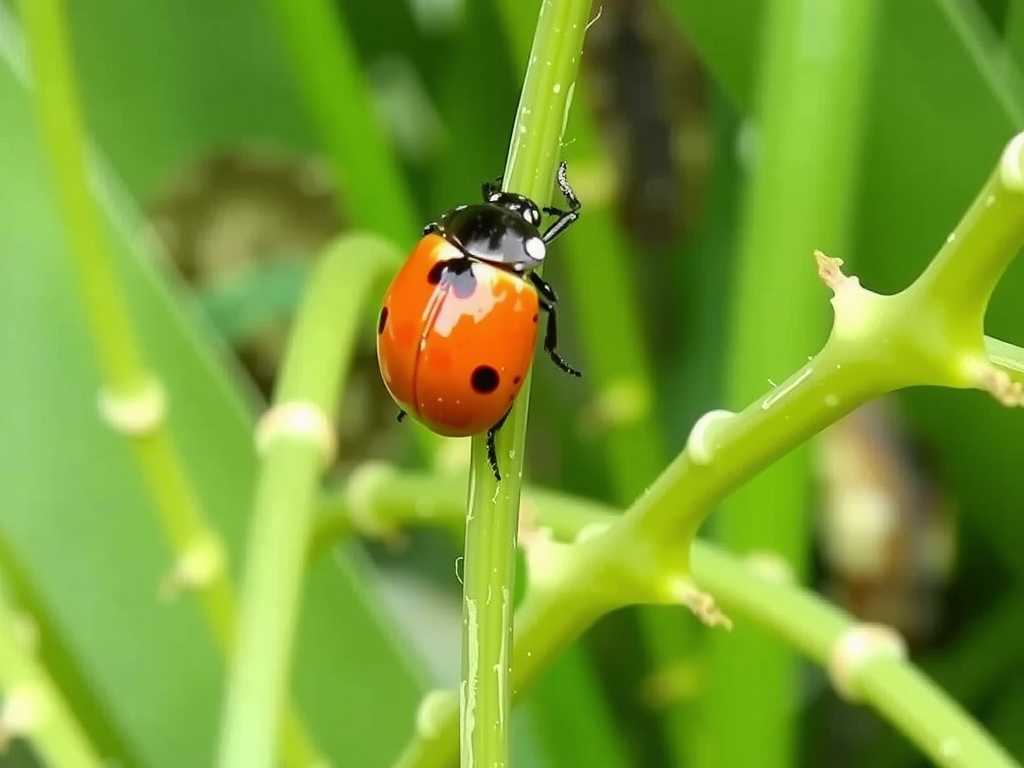
The thought of spraying insecticides indoors made me uneasy, especially with pets around. I needed a method that was effective, sustainable, and safe for my home ecosystem. That’s when I decided to fully commit to biological pest control for spider plants. The principle was simple: introduce the pest’s natural enemy to restore balance. Ladybugs, or more accurately, ladybird beetles, are famed for their voracious appetite for aphids. According to entomologists from the RHS (Royal Horticultural Society), a single ladybug larva can consume hundreds of aphids before pupating. This wasn't just a folk remedy; it was a scientifically backed strategy.
Preparing the Battlefield: Steps Before the Ladybugs Arrived
My excitement was tempered by research. I learned that simply releasing ladybugs into my apartment would likely lead to them flying to the nearest window and ignoring the problem. Success required preparation.
First, I isolated the infested spider plants. I moved them to a spare bathroom with a large, east-facing window—a perfect, contained environment. This prevented the aphids from spreading and gave the ladybugs a focused area to work.
Next, I gave the plants a thorough but gentle rinse with a strong stream of lukewarm water in the shower. This dislodged a significant number of aphids immediately. I was careful not to overwater the soil, letting the plants drain completely. The RHS recommends this as an effective first physical removal step.
Then, I ensured the plants were well-hydrated. A study cited by the AHSA (American Horticultural Society Alliance) notes that stressed plants can attract more pests. I watered them appropriately and misted the leaves lightly. A hydrated plant is a more resilient plant.
Finally, I created a welcoming habitat. I placed a shallow dish with wet pebbles and a few raisins (as a supplemental food source) near the plants. Ladybugs need water, and the raisins would provide a temporary snack if the aphid population dipped too low before they established themselves.
Week 1: Release, Observation, and Initial Panic
My mail-order live ladybugs arrived on a Tuesday afternoon. The package was cool, and the insects were dormant. Following instructions, I placed the container in the refrigerator until early evening, as ladybugs are less likely to fly away in cooler, low-light conditions.
As dusk settled, I took the container to the bathroom. I lightly misted the spider plant leaves again—the moisture encourages ladybugs to stay and drink. I then gently tapped about 50 ladybugs onto the base of the plants and on the soil. I didn't release all 150 at once, keeping some in the fridge as a potential second wave.
The First 48 Hours: The "Do-Nothing" Phase I had to fight the urge to check every hour. The next morning, I peeked in. To my dismay, about half seemed to have vanished. I felt a sinking feeling—my first major pitfall. Had they all just flown away? I checked the windowsill and found a dozen or so clustered there. I used a soft paintbrush to gently coax them back onto the plants. The solution? I hadn't sealed the space well enough. I used fine mesh netting, secured with clips, to cover the top of the window, allowing light in but creating a secure enclosure. This was a critical lesson in managing an aphid outbreak with beneficial insects—you must manage their environment, too.
Days 3-5: Signs of Hope By day three, I started to see activity. A few ladybugs were stationary on the undersides of leaves, and I realized they were laying tiny, yellow, oval eggs! This was excellent news; it meant they were settling in. Even better, I spotted several creepy-crawly, alligator-shaped ladybug larvae already munching on aphid clusters. The larvae are actually more predatory than the adults. The aphid population on the most infested leaves looked visibly thinner.
Days 6-7: The Larvae Take Charge The adult ladybug count was lower, maybe 15-20 still visible. But the larval population had exploded. They were everywhere—on stems, curled leaves, and along the central ribs. The sticky honeydew residue was significantly reduced. I added a few more raisins to the pebble tray and misted lightly every other day. The plants showed no signs of new leaf curling.
Week 2: Establishment and Assessment
The second week was about monitoring the balance. The aphids were now hard to find. I had to search meticulously to spot a few isolated individuals, which were quickly hunted down by the speedy larvae.
Days 8-10: Pupation Station I began to notice immobile, orange-and-black pupae attached to leaves and the plant pot. The larval activity slowed. This was a vulnerable time, as the pupae don't eat. I resisted the urge to remove them, knowing new adults would soon emerge.
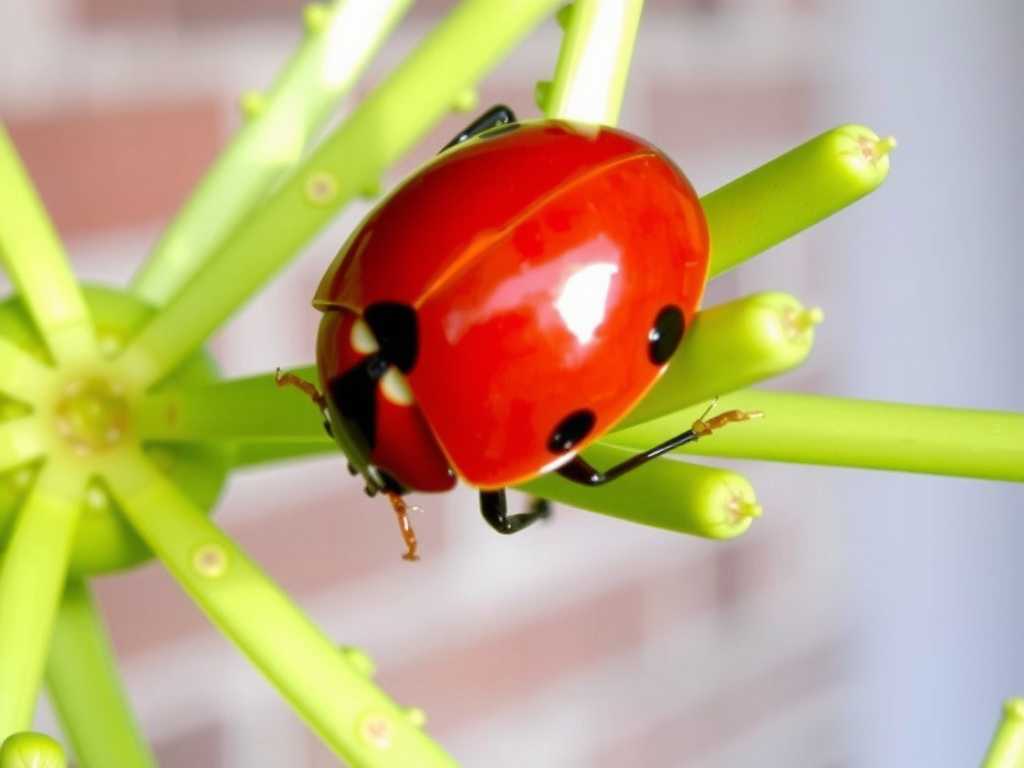
Days 11-14: A New Generation Emerges Tiny, pale yellow adult ladybugs started to appear from the pupae, their spots developing over a day or two. The aphid infestation on my spider plants was effectively gone. The new adults, along with the remaining original ones, patrolled the clean leaves. The spider plants responded with a surge of healthy, uncurled new growth.
My Final Verdict and Key Lessons Learned
After two weeks, the biological pest control for spider plants experiment was a resounding success. The aphids were eradicated without a single drop of pesticide. The plants were healthier, and I had a self-sustaining population of beneficial insects in my enclosed space.
Here are the critical takeaways from my journey:
- Pitfall 1: Immediate Dispersal. Releasing ladybugs without confinement and at the wrong time of day is futile. Solution: Release at dusk in an enclosed space after hydrating the plants.
- Pitfall 2: Expecting Only Adults to Work. I initially overlooked the eggs and larvae. Solution: Understand that the larvae are the true aphid-devouring machines. Be patient and protect them.
- Pitfall 3: Not Providing Sustenance. If the aphid population crashes too fast, your allies might leave or starve. Solution: Provide a water source and temporary food like raisins to help them through lean times until they establish a breeding cycle.
Will the ladybugs harm my spider plants? Absolutely not. Ladybugs and their larvae feed exclusively on soft-bodied pests like aphids, mites, and scale. They do not chew on plant leaves, stems, or roots. Your spider plant is their hunting ground, not their food.
How many ladybugs do I need for a houseplant infestation? For a concentrated, indoor infestation on a few plants, you need far fewer than you think. I used 50 initially for three medium-sized spider plants, and it was more than sufficient. Over-releasing can lead to quicker dispersal. Start with a small force.
What do I do with the ladybugs after they've eaten all the aphids? You have options. In an enclosed room, they may sustain themselves on other tiny pests or the food you provide. You can slowly acclimate them to other plants in your home that might need protection. Alternatively, if the weather is mild, you can release them outdoors in a garden area. Never release them indoors in a large, open house and expect them to stay.
Using ladybugs for aphid control is a profoundly satisfying and effective method. It requires more initial setup and understanding than spraying a bottle, but the rewards are immense: a non-toxic solution, a restored ecosystem, and the fascinating experience of observing nature's balance at work on your windowsill. For any plant lover facing the dreaded aphid, I wholeheartedly recommend enlisting these spotted, beneficial beetles.