bluename
 Brown and Withered Leaf Tips on spider plants: The Correct Way to Spray Water on Leaves
If you're anything like me, seeing those once-vibrant spider plant leaves develop crispy, brown and withered leaf tips is a special kind of heartbreak. You water faithfully, give it decent light, yet those unsightly brown tips keep marching down the foliage. For years, I blamed everything from tap water to low humidity. But after a deep dive into plant physiology and a two-week experiment that changed my approach, I discovered the surprising truth: often, the problem isn't if we water, but how we water—specifically, how we spray water on leaves.
I used to think misting was the ultimate act of plant care, a direct antidote to dry air. I'd generously spritz my spider plant's leaves every morning, hoping to prevent those dreaded brown tips. Yet, they persisted. It was only when I shifted my focus to the correct way to spray water on spider plant leaves that I saw a dramatic turnaround. This isn't just anecdotal; the Royal Horticultural Society (RHS) notes that while spider plants are tolerant, leaf tip burn can be exacerbated by improper watering practices, including the type of water used and how it interacts with the foliage.
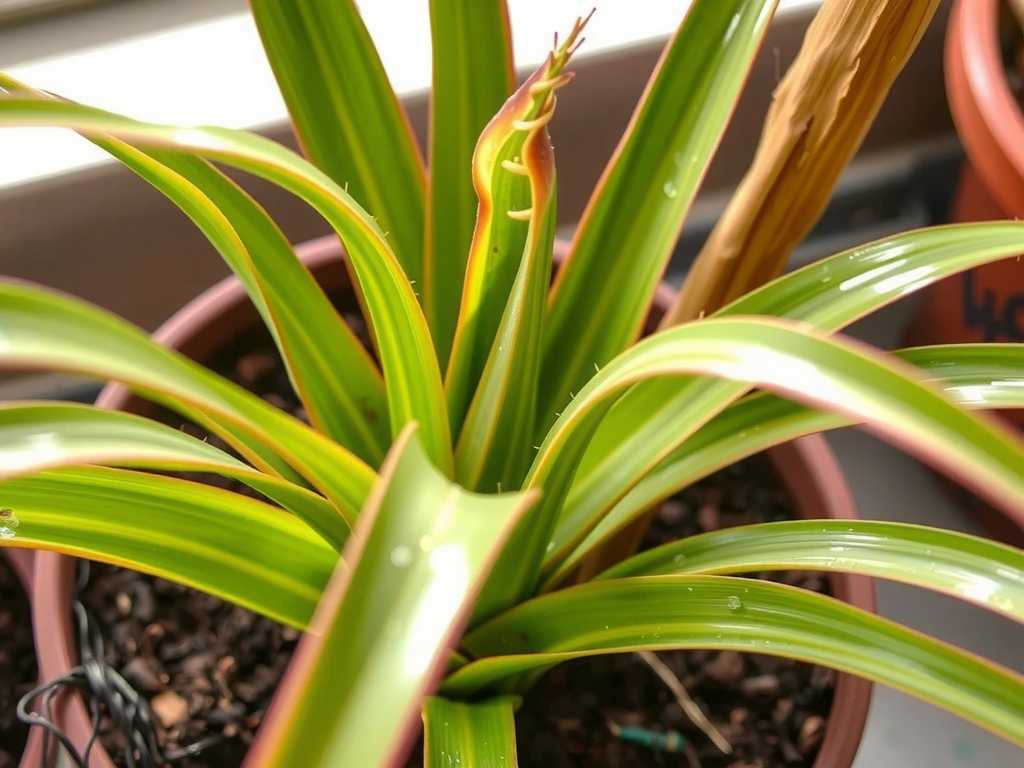
My journey to solve this involved a simple, two-week test. Here’s exactly what I did, what I observed, and the crucial mistakes I corrected along the way.
The Great Mistake: Why My Old Misting Routine Was Causing Harm
For the longest time, my routine was simple: fill a spray bottle with tap water and give the leaves a thorough shower. I believed I was simulating a tropical dew. The reality was far different.
The first major pitfall was using tap water. Our tap water is moderately hard, containing chlorine, fluoride, and dissolved salts. As the American Horticultural Society (AHS) highlights, many houseplants, including spider plants, are sensitive to these chemicals. When I sprayed tap water directly on the leaves, the water would evaporate, leaving behind microscopic mineral deposits on the leaf surface. These deposits, along with the chemicals, were likely being absorbed through the leaf tissue, leading to toxicity that manifested as those classic brown, withered tips.
The second mistake was timing and excess. I misted in the evening, thinking the plant would have all night to absorb moisture. Instead, water droplets would sit in the leaf crown (where the leaves meet the base) and between the tightly packed young leaves overnight. This created a perfect, stagnant environment for fungal and bacterial growth, another potential contributor to leaf tip die-back.
My Two-Week Experiment: Adopting the Correct Spraying Technique
I decided to overhaul my entire approach for a full 14 days. The goal was clear: hydrate the plant effectively without causing mineral buildup or promoting disease.
Week 1: The Setup and Adjustment
First, I stopped all random misting. I prepared two spray bottles: one filled with distilled water (a game-changer for preventing mineral buildup) and one with a very dilute, water-soluble fertilizer mix for a one-time foliar feed.
My new spider plant leaf care routine became methodical:
- Morning Ritual: Only in the early morning, when the sun was gentle, I would lightly mist the air around my spider plant to temporarily boost local humidity. I deliberately avoided heavy, direct spraying on the foliage. For direct contact, I used a different method.
- The Direct Cleaning Spray: Once a week, I took the plant to the sink. Using the bottle with distilled water, I gently sprayed the leaves from below and above, not to mist, but to rinse them. The purpose was to wash away any accumulated dust and potential mineral residues. I then gently patted the leaves dry with a soft microfiber cloth, paying special attention to the crown to remove any standing water. This act of properly hydrating spider plant foliage was about cleaning, not just wetting.
- Root Care is Paramount: I realized that healthy leaves start with healthy roots. I switched to bottom-watering with distilled or rainwater. I placed the pot in a saucer of water for about 20 minutes, allowing the soil to soak up what it needed. This ensured the roots got ample moisture without the top soil staying soggy, and it completely avoided wetting the base of the leaves.
By the end of the first week, the progression of new brown tips on older leaves had visibly halted. No new damage appeared.
Week 2: Observation and Refinement
During the second week, I continued the routine. The most significant observation was the state of the new, unfurling leaves at the plant's center. They were emerging a vibrant, uniform green without a single trace of browning at the tips—a stark contrast to the older, damaged foliage.
The existing brown tips on older leaves, of course, remained; they do not heal. But their presence stopped spreading. The plant overall looked perkier. I also noticed the soil surface stayed drier between waterings, reducing the risk of fungus gnats, an unexpected bonus.
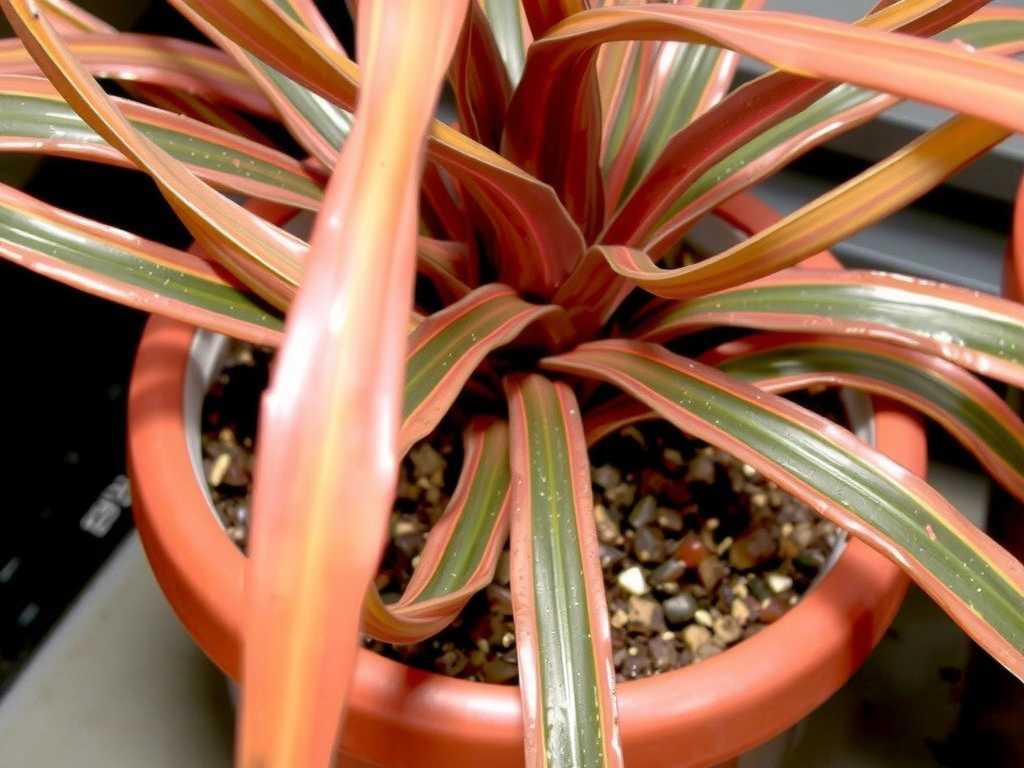
The Pitfalls I Encountered and How I Fixed Them
Even with a good plan, I hit a couple of snags.
Pitfall 1: The "More is Better" Temptation. Midway through the experiment, after a particularly dry day, I thought, "A little extra direct misting won't hurt." I gave the leaves a heavy spray in the late afternoon. Two days later, I noticed a small, soft, dark spot starting on one leaf where water had pooled. This was the beginning of rot! I immediately cut away the affected portion with sterilized scissors, dried the crown thoroughly with a paper towel, and resolved to stick strictly to my morning-only, light-air-misting rule. The lesson was clear: consistency and restraint are key.
Pitfall 2: Ignoring Environmental Context. My spider plant sits near a window. One sunny morning after rinsing the leaves, I didn't dry them thoroughly enough. The magnifying glass effect of water droplets on the leaves in direct sun caused minor scorch marks on two leaves. I moved the plant to a spot with bright, indirect light for the drying process and made leaf-drying a non-negotiable step after any rinsing.
The Results: Healthier Leaves from the Inside Out
After two weeks of this disciplined approach, the difference was undeniable. The plant was pushing out healthy new growth, and the cycle of tip-browning was broken. The method of watering spider plants to avoid brown tips proved to be a holistic one: it combined using the right water (distilled/rainwater), applying it correctly (rinsing vs. misting, bottom-watering), and perfecting the timing (morning, with immediate drying).
This experience taught me that spraying water on spider plant leaves isn't inherently bad; it's about intent and execution. Using it as a tool for cleaning rather than a primary hydration method makes all the difference.
Can I just cut the brown tips off my spider plant? Absolutely. Use clean, sharp scissors and cut the leaf, following its natural pointed shape, just above the brown line. This won't harm the plant and improves its appearance. However, it's a cosmetic fix; addressing the watering cause is essential to prevent it on new growth.
Is it ever okay to mist spider plant leaves directly? For humidity, it's better to mist the air around the plant or use a humidifier. If you must wet the leaves, do so in the morning with distilled water and ensure they dry completely within an hour or two. Think of it as an occasional rinse, not a daily soak.
My water is very soft; can I use tap water then? Softer water is better, but it may still contain chlorine. Letting tap water sit out for 24 hours allows chlorine to evaporate, which is a good practice for both spraying and root watering. However, for spraying leaves, distilled or rainwater remains the gold standard to eliminate all risks of mineral deposit.
Seeing your spider plant thrive with lush, green, tip-free leaves is entirely achievable. It requires moving beyond the simple act of spraying to understanding the purpose behind it. By focusing on providing clean water to the roots, using leaf-spraying as a careful cleaning ritual, and ensuring leaves don't stay wet, you create an environment where brown, withered tips become a problem of the past, not a constant frustration. The health of your plant will speak for itself.