bluename
 Whole spider plant Turning Yellow: Comprehensive Improvement Plan for Compacted Soil
There’s a special kind of plant-parent panic that sets in when you notice your once-vibrant spider plant turning yellow. Not just a leaf or two, but the whole plant taking on a sickly, pale hue. I’ve been there, staring at my beloved Chlorophytum comosum, feeling utterly defeated. After years of nurturing spider plants, I’ve learned that when the entire plant signals distress, the problem often lies beneath the surface—in the soil. Specifically, compacted soil. This comprehensive plan is born from my own hands-on battle with this exact issue, detailing the steps I took, the two-week transformation I witnessed, and the crucial lessons learned along the way.
Understanding the Silent Killer: What is Soil Compaction?
Before we dive into the rescue mission, let's understand the enemy. Soil compaction occurs when the soil particles are pressed so tightly together that air pockets disappear. Think of it like a sponge that has been squeezed dry and left hard; it can’t hold water or air effectively. For spider plants, which thrive in well-aerated, loose potting mix, this is a death sentence. The roots, desperate for oxygen and unable to penetrate the concrete-like medium, begin to suffocate and rot. The plant’s response? The entire spider plant turning yellow as it shuts down, unable to uptake nutrients or water properly.
I learned this the hard way. My spider plant was in a decorative pot without proper drainage, and I’d been watering it on a schedule, not based on need. Over time, the soil became dense and hard, pulling away from the edges of the pot. The initial signs—slowed growth and a few yellow tips—I dismissed. But when the yellowing spread through the whole plant, I knew I had a systemic issue. According to the Royal Horticultural Society (RHS), poor drainage and soil compaction are among the leading causes of chlorosis (yellowing) in houseplants, as it leads to root anoxia—a lack of oxygen at the root zone.
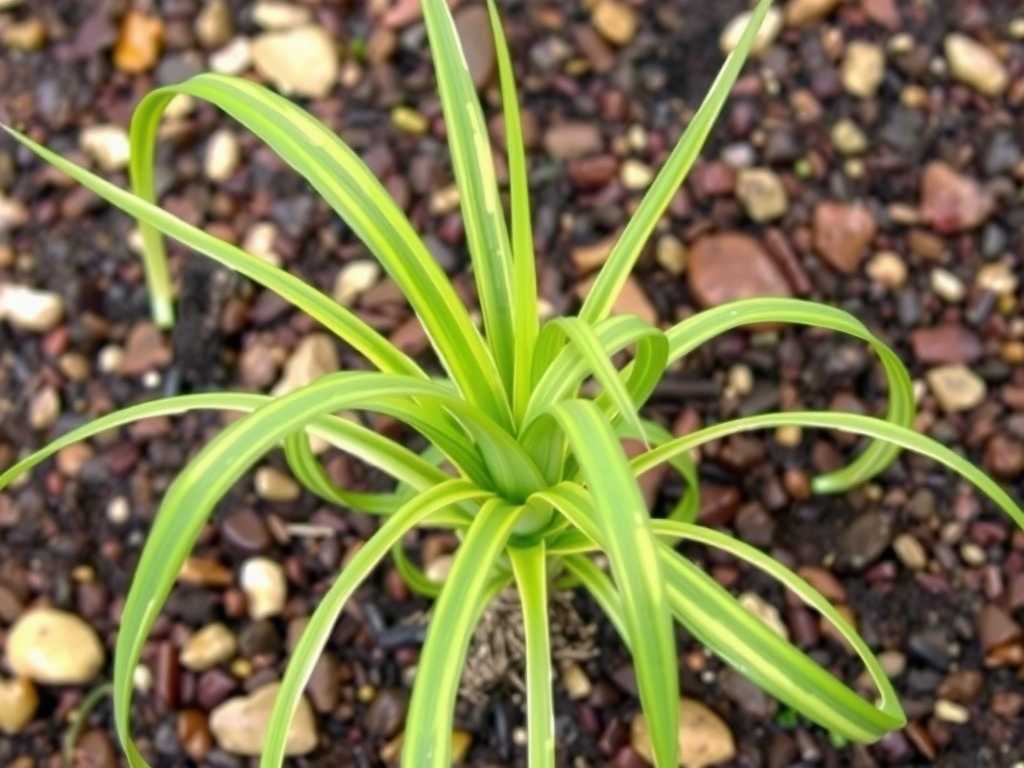
My Step-by-Step Rescue Plan for a Yellowing Spider Plant
This isn't a quick fix; it's a thoughtful intervention. I set aside a weekend for this project, knowing my plant’s life depended on it.
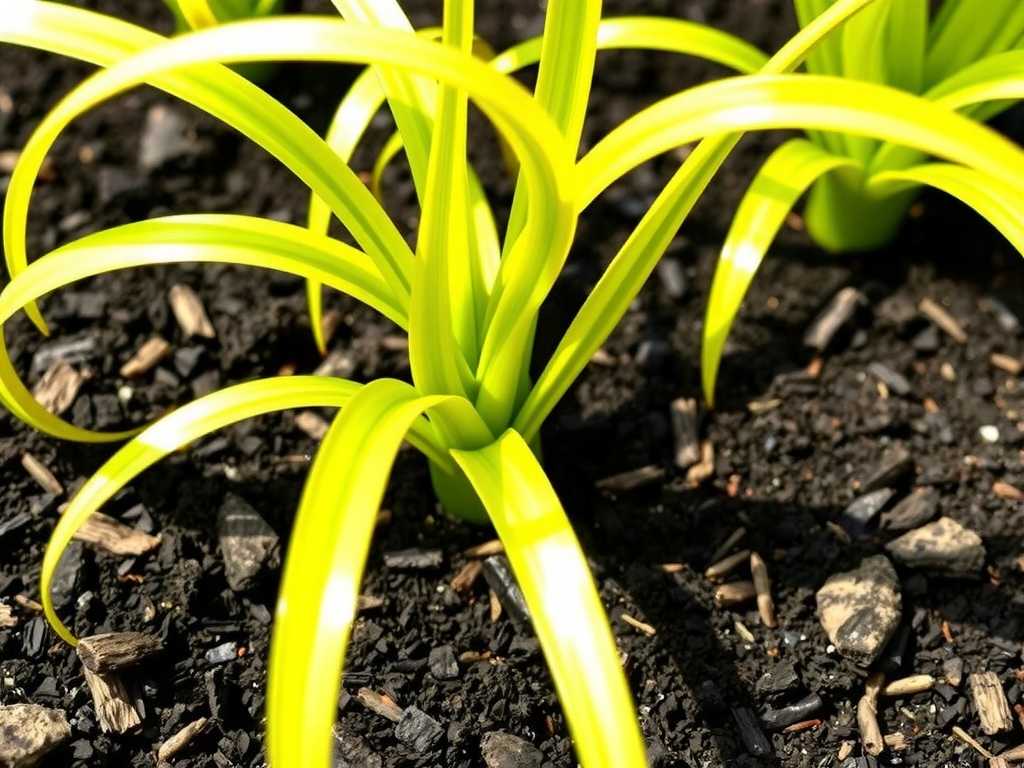
Day 1: Assessment and Preparation
First, I gently tipped the pot and slid the plant out. The root ball confirmed my worst fears: the soil was a solid, damp mass, and the roots were mostly brown, mushy, and smelled faintly sour—clear signs of root rot. I gathered my supplies: a new pot (with ample drainage holes, this time!), fresh, high-quality potting mix formulated for indoor plants (I chose one with perlite and orchid bark for aeration), clean pruning shears, a chopstick, and a bowl of water with a few drops of hydrogen peroxide.
Day 1: The Surgical Procedure
- Root Inspection and Pruning: I carefully teased away the compacted soil under a gentle stream of lukewarm water. This revealed the extent of the damage. Using sterilized shears, I pruned away every soft, brown, or black root, leaving only the firm, white, healthy ones. It was drastic—I removed about 60% of the root mass. This is scary but necessary. The American Horticultural Society (AHS) emphasizes that removing diseased tissue is critical to prevent the spread of decay.
- Root Soak: I soaked the remaining healthy root system in the hydrogen peroxide solution for about 15 minutes. This helps disinfect any minor wounds and introduces oxygen.
- Fresh Start with New Soil: I filled the new pot one-third with my loose, airy potting mix. I placed the spider plant in the center and gently spread the remaining roots. Then, I used the chopstick to carefully work the new soil around the roots, tapping the pot to settle it without pressing or compacting it. The goal is a fluffy, supportive bed, not a packed one.
- Initial Watering: I gave it a thorough but gentle watering until it drained freely from the bottom. This "moistening in" helps eliminate large air pockets and ensures root-to-soil contact.
Post-Repotting Care Protocol
I placed the plant in a location with bright, indirect light—no direct sun, which would add stress. I withheld fertilizer entirely; a stressed plant cannot use it. My only job now was observation and patience.
The Two-Week Observation: A Diary of Recovery
- Days 1-3: The plant looked sad and wilted. Some existing leaves turned more yellow or brown. This is normal transplant shock. I resisted the urge to water again; the soil was still moist deep down.
- Days 4-7: The wilting stopped. No new yellowing appeared. This was the first sign of stabilization. I checked soil moisture by sticking my finger two inches deep—it was just beginning to dry.
- Day 8: I performed the first post-op watering, again ensuring a deep soak and complete drainage. This was a milestone.
- Days 9-14: Here’s where hope turned to joy. I noticed the very center of the plant, where new growth emerges, showed a touch of vibrant, healthy green. The existing yellow leaves did not recover (they never do), but their decline halted. The plant felt anchored, not wobbly. By the end of week two, it was clear the crisis was over. The improvement plan for compacted soil was working; the roots were breathing and beginning to function again.
The Pitfalls I Encountered and How I Solved Them
My journey wasn’t perfectly smooth. Here’s where I stumbled:
- The Pitfall of Impatience (Overwatering After Repotting): On day three, paranoid about dryness, I almost watered it again. Thankfully, I used a moisture meter and found the root zone was still wet. Solution: I put the watering can in another room. Trust the process and the well-draining soil. Always check moisture physically before watering.
- The Pitfall of Half-Measures (Incomplete Root Pruning): During the first root prune, I left a few slightly soft roots because I felt bad cutting so much. A few days later, I noticed a foul smell returning. Solution: I had to unpot the plant again, re-wash the roots, and mercilessly remove all compromised tissue. This second shock set recovery back by a few days. Be thorough the first time.
- The Pitfall of Wrong Location (Too Much Light): I initially put it in a sunny spot to "help it recover." The stressed leaves scorched. Solution: I moved it to a bright but shaded spot. Recovery accelerated immediately. Stressed plants need gentle conditions.
Preventing Soil Compaction: Long-Term Spider Plant Care
Solving the yellowing leaves from compacted soil is only half the battle. Prevention is key.
- Soil Matters: Always use a light, peat-free or coir-based mix amended with perlite, pumice, or coarse sand. I now make my own blend.
- Water Wisely: Water only when the top 1-2 inches of soil are dry. Soak thoroughly, then let it drain completely. Never let the plant sit in a saucer of water.
- Aerate Annually: Each spring, I gently poke deep holes into the soil with a chopstick to break up minor compaction before it starts, being careful of the roots. This is a fantastic fix for dense potting mix problems.
- Repot Proactively: Don’t wait for problems. Repot your spider plant into fresh soil every 2-3 years to refresh the medium and give roots space.
Will the yellow leaves on my spider plant turn green again? No, they will not. Chlorophyll has been permanently lost in those leaves. The goal is to stop the yellowing and promote new, healthy green growth. Prune the severely yellow leaves once the plant is actively growing again to redirect its energy.
How can I tell if yellowing is from compaction or something else? Compaction often pairs with other symptoms: water sitting on the soil surface, soil pulling away from the pot, and a general decline of the entire plant. Nutrient deficiency often shows in patterns (like veining), while overwatering from other causes may not involve rock-hard soil. The ultimate test is checking the root ball.
What’s the best soil mix to prevent compacted soil for spider plants? A well-draining potting soil is non-negotiable. I swear by a simple, effective mix: two parts all-purpose potting soil, one part perlite, and one part orchid bark or coco chips. This creates the loose, chunky structure spider plant roots crave, ensuring oxygen flow and preventing waterlogging.
Watching a whole spider plant turning yellow is alarming, but it’s a solvable problem. It requires confronting the root cause—literally. By addressing the compacted soil with decisive action, providing a stable recovery environment, and committing to better long-term care practices, you can not only save your plant but help it thrive with renewed vigor. The transformation over those two weeks, from a pale, struggling mass to a plant firmly focused on new growth, was one of the most rewarding experiences in my plant care journey. It’s a powerful reminder that sometimes, the healthiest growth comes from having the courage to start over from the ground up.