bluename
 Scale Insect Control on spider plants: My Detailed Operation of Wiping with Alcohol Cotton Pads
There’s a special kind of heartbreak for a plant lover: discovering a beloved, once-vibrant spider plant dotted with tiny, stubborn bumps. That sticky residue, the yellowing leaves, the sheer persistence of it all—it’s a battle I know too well. For years, my go-to solutions felt like a temporary fix until the next wave of scale insects emerged. That changed when I committed to a methodical, two-week campaign using a simple but powerful tool: isopropyl alcohol and cotton pads. This detailed account of my scale insect control on spider plants isn't just theory; it's a step-by-step log of what worked, what failed, and how this precise wiping technique saved my Chlorophytum comosum.
Why I Chose the Alcohol Cotton Pad Method
After trying insecticidal soaps and neem oil with mixed results, I needed a more targeted approach. Scale insects have a protective waxy coating that shields them from many topical treatments. According to resources from the Royal Horticultural Society (RHS), isopropyl alcohol (rubbing alcohol) is effective because it dissolves this coating, dehydrating and killing the insect on contact. The key, as they note, is direct application. This aligned perfectly with my desire for a hands-on, controlled method that minimized chemical exposure for the plant itself. The cotton pad allows for that surgical precision, ensuring the alcohol contacts the pest without unnecessarily drenching the delicate leaves.
My Toolkit and Preparation for Battle
Before starting, I gathered my supplies. This preparation was crucial for consistency over the two weeks.
- 70% Isopropyl Alcohol: I chose 70% over 90% based on advice from the American Horticultural Society (AHS), which suggests it is less volatile, giving it more contact time to penetrate the scale’s armor.
- High-Quality Cotton Pads: Fluffy, non-woven pads that wouldn’t leave lint.
- Soft-Tipped Tweezers: For gently prying off heavily infested leaves or stubborn adult scales.
- Magnifying Glass: Essential for spotting the tiny, pale crawlers (the juvenile “crawler” stage).
- Mild Liquid Soap & Water Spray Bottle: For a preliminary clean.
- Patience and Good Lighting: Non-negotiable.
The Step-by-Step Wiping Protocol I Followed
Week 1: The Initial Assault and Daily Checks
Day 1: Isolation and Initial Assessment. First, I quarantined the affected spider plant away from my other houseplants. I placed it on a clean table under a bright lamp. Using my magnifying glass, I mapped the infestation—concentrated on the undersides of leaves and along the central rib. I saw both brown, dome-shaped adult scales and barely visible crawlers.
Day 2: The First Detailed Wiping Session. This was the most time-intensive step. I didn’t just dab; I used a specific wiping motion.
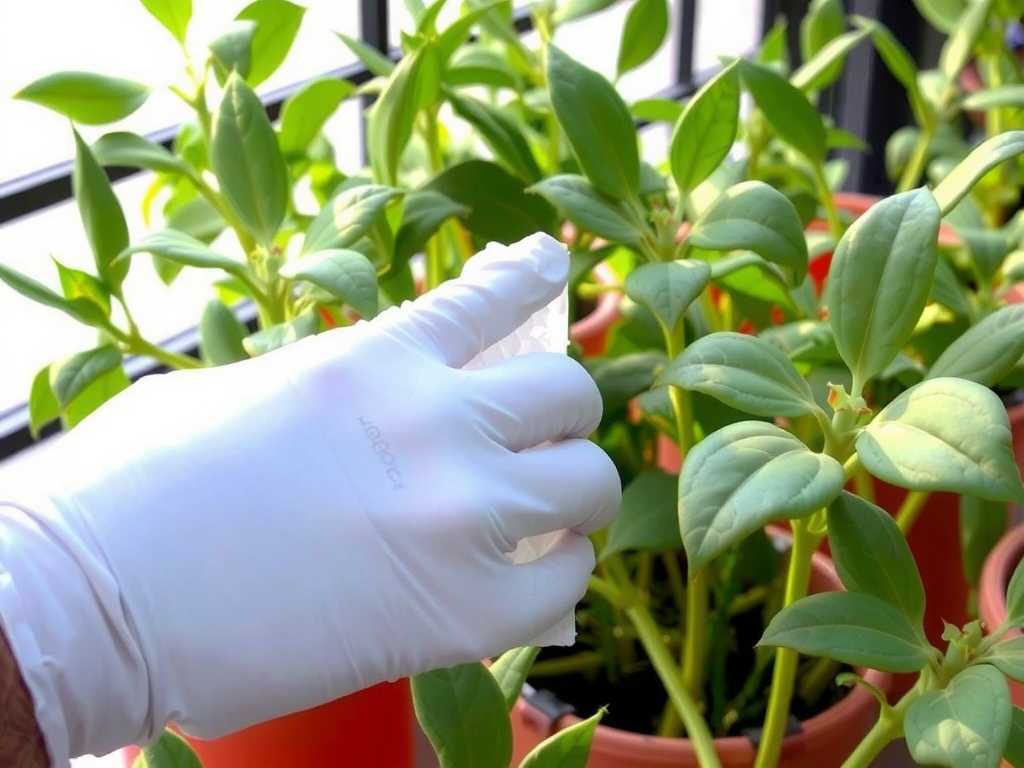
- I lightly moistened a cotton pad with alcohol—damp, not dripping.
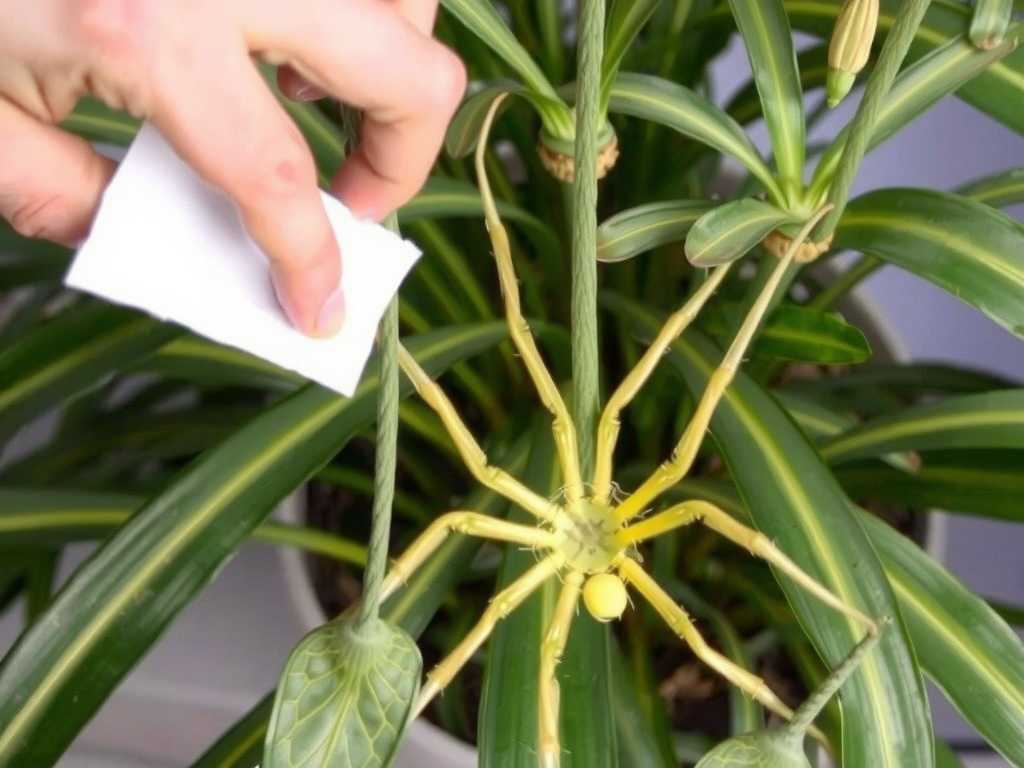
- Supporting a leaf from underneath with one hand, I gently wiped the scale insects with the alcohol-soaked pad, applying slight pressure in a single, smooth stroke over the infestation site. I heard a faint pop as some larger scales were dislodged.
- I turned the pad to a clean section for each leaf or cluster to avoid spreading crawlers.
- For dense clusters, I held the pad against the scale for 5-10 seconds before wiping.
- After treating all visible scales, I used a soft cloth lightly dampened with water to wipe off any residual alcohol and dissolved gunk (honeydew).
Days 3-7: Vigilance and Follow-Up. Scale insects have a staggered life cycle. My goal was to break it. Every evening for 20 minutes, I inspected the plant under the lamp. Any new or missed scale I spotted—even a single one—was immediately spot-treated with a fresh alcohol pad. I learned that consistency here was everything. This daily detailed operation of wiping with alcohol cotton pads was tedious but critical.
Week 2: Monitoring and Breaking the Cycle
Days 8-14: The Shift to Observation. By the start of Week 2, the visible adult scale population was nearly gone. The leaves felt clean, and the sticky honeydew was absent. My inspections shifted from active wiping to intense scrutiny. I used the tweezers to gently flick off the husks of dead scales. I was now hunting for the almost microscopic crawlers. I found a few on Day 10 and Day 12, likely newly hatched from eggs shielded during the first wipe. These were promptly dispatched with a targeted dab of alcohol on a cotton swab (a more precise tool for lone crawlers).
The Results: A 2-Week Transformation
After 14 days of this regimented approach, the transformation was undeniable. The spider plant’s leaves regained their natural, firm texture. New growth, which had been stunted, began to emerge clean and vibrant. The yellowing on older leaves halted, and the plant overall looked relieved. Most importantly, by the end of the second week, three consecutive days of inspections revealed zero live scales or crawlers. The alcohol cotton pad treatment for spider plant pests had successfully broken the reproductive cycle.
The Pitfalls I Encountered and How I Solved Them
This wasn’t a flawless process. I made mistakes and adapted.
Pitfall 1: Over-Saturation and Leaf Damage. Early on, in my zeal, I used a cotton pad that was too wet. Alcohol dripped into the leaf whorls and soil, and a few leaf tips showed slight browning (alcohol burn). Solution: I learned to wring out the pad thoroughly. The alcohol should dampen it, not soak it. For the central crown, I used a cotton swab for pinpoint control instead of a pad.
Pitfall 2: Missing the Crawlers and Eggs. My initial focus was on the obvious brown scales. I missed the tiny, pale crawlers moving along leaf veins. Solution: The magnifying glass became my best friend. I started each inspection by carefully scanning the newest leaves and stem junctions, where crawlers often migrate.
Pitfall 3: Inconsistent Follow-Up. I skipped an inspection on Day 5, assuming I’d gotten them all. A small cluster of scale reappeared on Day 7. Solution: I treated this like a medical course of antibiotics—consistency is non-negotiable. I set a daily phone reminder for my 20-minute plant inspection.
Pitfall 4: Neglecting the Soil and Pot. I realized crawlers could fall into the soil. Solution: Before starting treatment, I covered the soil surface with a paper towel. After each wiping session, I carefully removed and discarded it. I also wiped down the outside of the pot and the saucer with an alcohol-dampened cloth.
Maintaining a Scale-Free Spider Plant
Victory is maintained through vigilance. The plant remains in quarantine for another two weeks of weekly checks. I’ve also improved its overall care—ensuring bright, indirect light and proper watering to boost its natural defenses, as a stressed plant is a target. The method for removing scale from houseplants with alcohol is now a core part of my plant first-aid kit.
How often should I wipe my spider plant with alcohol for scale? During active infestation, inspect and spot-treat daily for at least 7-10 days. After no live scales are seen for a week, reduce to weekly inspections for a month. It’s not about a schedule but about consistent intervention until the life cycle is broken.
Will 70% alcohol kill my spider plant? Used correctly—on a damp cotton pad applied directly to the pests, not drenching the plant—it is very safe. Spider plant leaves are relatively tough. The risk comes from over-application and allowing alcohol to pool in the crown or soil, which can damage roots.
What if the scale insects keep coming back after alcohol treatment? This usually means eggs were missed, or crawlers are migrating from an untreated part of the plant (like the soil surface or a hidden leaf). Re-evaluate your inspection thoroughness, ensure you’ve covered the soil during treatment, and consider whether the plant needs to be repotted in fresh soil if the infestation was severe. Persistence with the daily wiping protocol for a full two weeks is key to catching newly hatched crawlers.
Seeing my spider plant return to health was immensely rewarding. The alcohol cotton pad method requires a significant investment of time and attention to detail, but it offers a level of control and effectiveness that broad-spectrum sprays often lack. It’s a physical, direct battle against the pest. By sharing this detailed journey—the steps, the timeline, the mistakes, and the solutions—I hope it empowers you to rescue your plants with confidence and precision. Remember, the most effective treatment is the one you apply consistently and observe closely.