bluename
 Spots on spider plant Leaves: Identification and Treatment of Bacterial Diseases
There’s nothing quite as disheartening for a plant lover like me than noticing something off with a trusted green companion. For weeks, I watched with growing concern as my once-vibrant spider plant, a champion of resilience, began sporting unsightly, soggy-looking brown spots on its leaves. This wasn't the crisp, dry browning of underwatering or the yellowing of overwatering. These were different—dark, often with a yellow halo, and they seemed to spread. I knew I was likely dealing with spots on spider plant leaves caused by a bacterial disease, a problem that requires swift and specific action. If you're seeing similar signs, this detailed account of my two-week battle and recovery plan will guide you through identification, treatment, and prevention.
Understanding the Enemy: Bacterial Leaf Spot and Blight
Before acting, accurate identification is crucial. Fungal issues are common, but bacterial diseases move faster and require a different approach. My research, backed by resources from the American Horticultural Society (AHA), pointed to two main culprits: Xanthomonas leaf spot and Erwinia blight. The key differentiator is texture. Bacterial spots often look water-soaked or greasy initially, later turning brown or black, and they can feel soft and mushy. A yellow "halo" frequently surrounds the lesion. Unlike fungal spots, which might have a powdery residue, bacterial spots are slick.
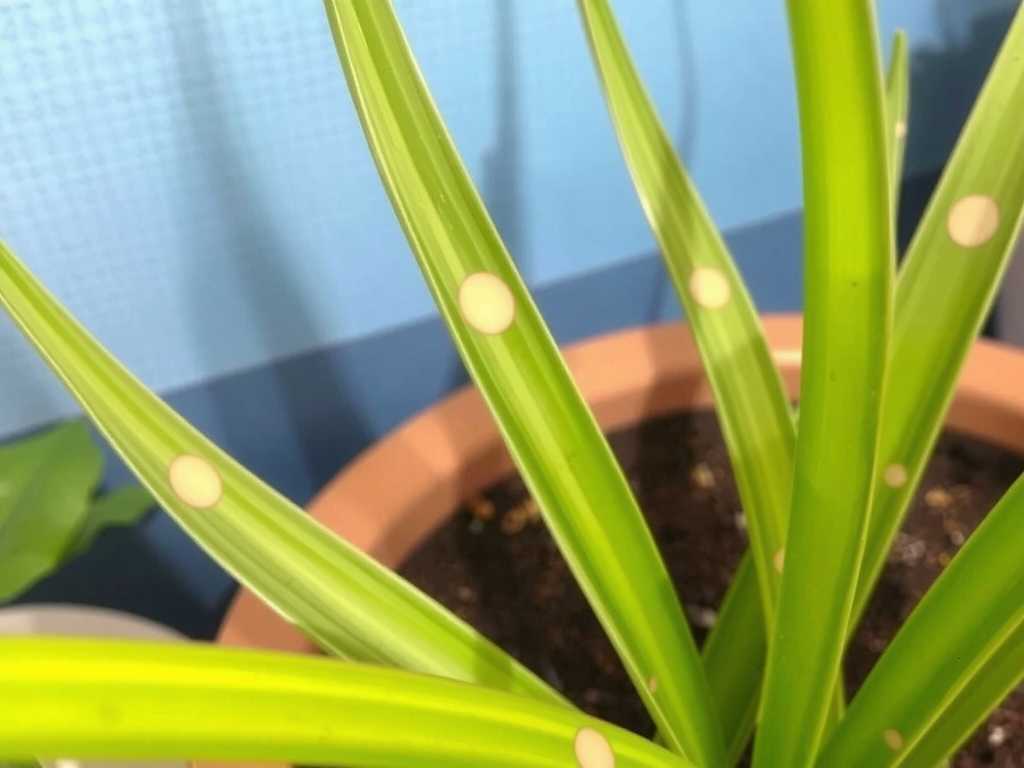
In my case, the spots started near the soil line on older leaves and had that telltale yellowish ring. They felt damp, confirming my suspicion. This wasn't a cosmetic issue; it was an infection spreading through the plant's vascular system.
My Step-by-Step Rescue Mission: Isolation, Surgery, and Treatment
Armed with knowledge, I embarked on a focused two-week treatment protocol. Here’s exactly what I did, including the mistakes I made along the way.
Week 1: The Critical Intervention Phase
Day 1: Immediate Isolation and Assessment. First, I quarantined the sick plant away from my other houseplants. Bacterial diseases can splash onto nearby plants through watering. I placed it on a separate table in a room with good air circulation. I then performed a thorough inspection, noting every affected leaf.
Day 2: The Surgical Removal. This is where I hit my first snag. Initially, I used regular household scissors to cut off the spotted leaves. Big mistake. I soon learned from an RHS (Royal Horticultural Society) article that tools must be sterilized between every single cut to avoid spreading bacteria from one part of the leaf to another. I was potentially making it worse.
- The Fix: I paused, cleaned my scissors with isopropyl alcohol (70%), and got a fresh razor blade. For each cut, I sterilized the blade, removed the entire leaf if over 50% affected, or carefully cut out only the spotted section if the leaf was mostly healthy. I cut into healthy tissue about half an inch beyond the visible spot to ensure all bacteria were removed. All debris was sealed in a bag and thrown away, not composted.
Day 3: Repotting for a Fresh Start. I suspected the old potting mix might harbor pathogens. I gently removed the plant, shook off all the old soil, and carefully rinsed the roots with lukewarm water. I inspected the roots for rot (thankfully, they were firm and white). The pot was scrubbed with a bleach solution (1 part bleach to 9 parts water) and rinsed thoroughly. I repotted using a fresh, well-draining potting mix, ensuring the crown of the plant wasn't buried too deeply.
Day 4-7: Environmental Control and Initial Treatment. I placed the plant in a location with bright, indirect light and increased airflow (using a gentle fan on low, not directly on the plant) to keep foliage dry. I adjusted my watering habit drastically: I now watered only at the soil level, avoiding all leaf splash, and only when the top inch of soil was dry. For treatment, I used a copper-based bactericide, following the label instructions meticulously. I applied it as a soil drench and a very light, targeted spray on the remaining foliage, doing this in the evening to prevent leaf burn.
Week 2: Observation, Adjustment, and Recovery Signs
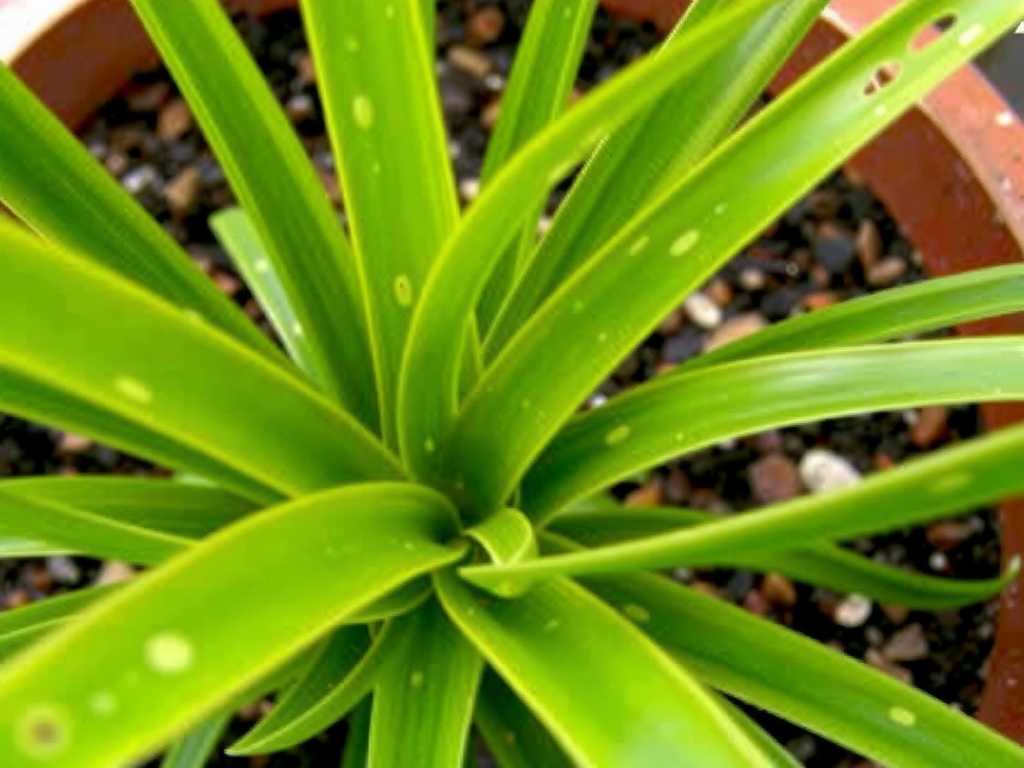
Day 8-10: The Waiting Game. No new spots appeared. This was the first good sign. The existing lesions on the remaining leaves seemed to have dried out and stopped expanding. I continued with strict environmental control. I resisted the urge to over-love it with water or fertilizer.
Day 11-14: Cautious Optimism. By the end of the second week, the plant looked stable. The treated leaves had scarred over, and crucially, the new growth emerging from the center was completely clean, spot-free, and healthy. This was the ultimate confirmation that my treatment of bacterial diseases was working. The infection had been halted.
Key Lessons from the Trenches: Pitfalls and Solutions
My journey wasn't flawless. Here are the critical pitfalls I encountered and how to avoid them:
- Unsterilized Tools: As mentioned, this was my biggest error. Always sterilize pruning tools with alcohol or a bleach solution between cuts. Think of it like surgery.
- Overhead Watering: This is how bacteria spread. I switched exclusively to bottom-watering or using a long-spouted can directed at the soil.
- Poor Air Circulation: My plant was in a cozy, still corner. Improving airflow is a non-negotiable step in making the environment hostile to bacterial growth.
- Delayed Action: I waited a bit too long, hoping it would "fix itself." Bacterial spots won't. Early intervention is key to saving the plant.
Building a Defense: How to Prevent Future Outbreaks
Prevention is always easier than cure. After this experience, I've adopted these practices for all my spider plants:
- Water Wisely: The golden rule. Let soil dry partially. Use room-temperature water and avoid wetting the leaves.
- Prioritize Airflow: Don't crowd plants. A small fan on low in the plant room works wonders.
- Quarantine New Plants: Any new plant spends at least two weeks isolated from my collection.
- Clean Pots and Tools: I now routinely clean pots and trays, and my tools are always sterilized.
Your Questions, Answered
Can I use a homemade spray like cinnamon or vinegar? While cinnamon has mild antifungal properties, it is not effective against systemic bacterial infections. Vinegar can damage plant tissues. For confirmed bacterial issues, a targeted bactericide like a copper fungicide/bactericide, used responsibly, is the most reliable option supported by horticultural authorities.
Should I cut off all the leaves with spots? Not necessarily. Remove leaves that are severely affected (over 50% damaged). For leaves with minor spots, you can surgically remove just the infected portion with sterilized tools, preserving the healthy green area for photosynthesis.
Will the spots on the leaves ever go away? No, the damaged tissue will not heal or turn green again. It will scar over and remain brown. The success of your treatment is measured by the absence of new spots and the emergence of healthy, new growth.
Dealing with bacterial leaf spot on my spider plant was a rigorous lesson in plant healthcare. It reinforced that careful observation, precise action based on correct identification, and patience are a plant owner's most valuable tools. By understanding the causes—primarily excess moisture and poor airflow—and implementing a strict treatment protocol focused on sanitation and environmental control, you can stop the spread and restore your plant to health. Remember, the goal is to manage the disease and foster resilient new growth. With these steps, your spider plant can bounce back, as mine did, ready to thrive once again.