bluename
 Withered spider plant Runners: My Fertilization Method to Promote New Shoots After Pruning
There's a particular kind of plant-parent heartbreak that comes from seeing your once-lush spider plant send out long, withered runners. You did the right thing by pruning those sad, brown strands, but now you're left with a sparse plant and a silent pot. The question hangs in the air: how do you encourage vigorous new shoots to replace what was lost? I've been there, staring at my Chlorophytum comosum, wondering if my pruning had doomed it. Through trial, error, and a dedicated two-week experiment, I perfected a fertilization method that reliably coaxes out fresh, green growth. This isn't just theory; it's a step-by-step guide from one plant lover to another, covering exactly what to do after you've made the cut.
The key isn't just dumping fertilizer; it's about strategic nutrition timed with the plant's natural recovery cycle. Pruning is a stressor, and a withered runner indicates the plant was already struggling. The goal is to shift its energy from sustaining failing parts to fueling new basal shoots and, eventually, healthy new spider plant runners.
Understanding the "Why" Before the "How"
Before we mix any solutions, it's crucial to understand what those withered runners meant. The Royal Horticultural Society (RHS) notes that spider plant runners, or stolons, often wither due to a combination of factors: underwatering, low humidity, or nutrient deficiency. Pruning them removes a drain on the plant's resources. Now, the plant needs a clear signal and the right building blocks to redirect its energy. According to the American Horticultural Society (AHA), post-pruning care should focus on providing optimal conditions for healing and new growth, with balanced nutrition being a cornerstone.
For us, this translates to two primary goals: 1) encouraging new shoot growth from the base, and 2) setting the stage for future healthy runners. My method targets both.
My Step-by-Step Fertilization Protocol for Post-Pruning Recovery
Here is the exact regimen I followed after pruning all withered runners from my mature spider plant.
Week 1: The Recovery Phase (Days 1-7)
The first week is about gentle support, not aggressive feeding. The plant's focus is on healing the cut points and adjusting its physiology.
- Day 1 (Post-Pruning): I started with a thorough, lukewarm water soak. I placed the pot in a sink and watered until it drained freely from the bottom, ensuring the entire root ball was evenly moist. This rehydrates the plant after the stress of pruning. I did not fertilize at this stage. Adding fertilizer to dry or stressed roots can cause burn.
- Day 3: I prepared a very diluted, balanced liquid fertilizer. I used a standard 10-10-10 NPK formula but diluted it to one-quarter of the recommended strength on the bottle. Why so weak? The plant's root system isn't ready for a full meal. This is a gentle nudge. I watered the plant with this solution, again until it drained.
- Day 5-7: I focused on environment. I moved the plant to a spot with bright, indirect light (an east-facing window was perfect). I also placed it on a pebble tray filled with water to boost humidity around the foliage, a tip supported by AHA guidelines for promoting lush growth. I simply monitored the soil, keeping it lightly moist but not soggy.
Initial Observations (End of Week 1): Visibly, not much changed—and that's normal. No new shoots yet. However, the plant's overall color looked more vibrant, less stressed. The center of the plant, the crown, felt firmer. This was a sign the gentle fertilization and good care were supporting basic health.
Week 2: The Growth Activation Phase (Days 8-14)
This is where we strategically increase nutritional support to actively promote new shoots.
- Day 8: I applied the second fertilizer treatment. This time, I used a half-strength dilution of the same balanced 10-10-10 fertilizer. The goal is to provide more nitrogen (N) for leaf and shoot development, phosphorus (P) for root and energy system support, and potassium (K) for overall vigor. I applied it to pre-moistened soil to prevent root shock.
- Day 10: I introduced a micronutrient boost. I misted the foliage and base of the plant with a weak solution of seaweed extract (following the label's most dilute recommendation). Foliar feeding can provide direct nutrients to the areas where new growth will emerge.
- Day 12-14: Consistent care continued. I ensured the soil surface dried slightly between waterings to prevent rot. The bright, humid environment was maintained.
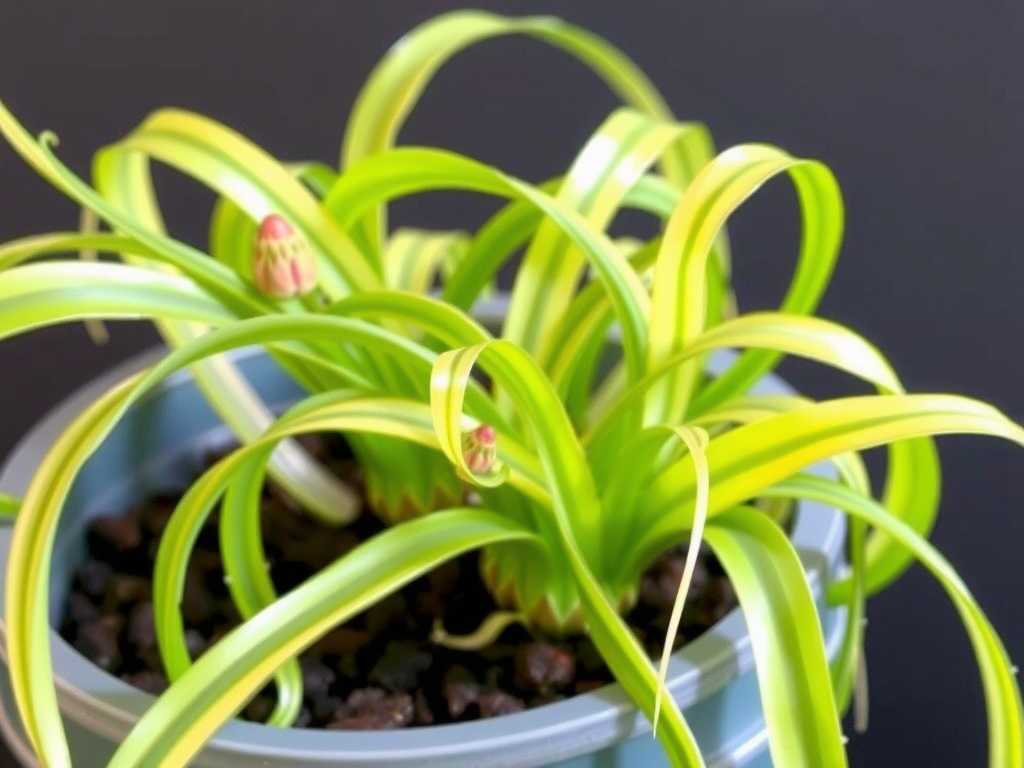
The Two-Week Results: On the morning of Day 14, I saw it. Peeking from the very base of the plant, near the soil line, were two tiny, bright green nubs—new spider plant shoots! They were only about a centimeter tall, but they were unmistakably new growth. Furthermore, two other small offshoots that had been stagnant before pruning showed noticeable elongation. The plant looked denser, happier, and actively growing. The method had worked to promote new shoots after pruning.
The Pitfalls I Encountered (And How I Fixed Them)
My journey wasn't perfectly linear. Here are the mistakes I made on other attempts and how this final method avoids them.
-
The Burn: Over-fertilizing Too Soon. In an early try, I applied full-strength fertilizer right after pruning. Within days, the leaf tips turned brown and crispy—classic fertilizer burn. The plant went into further shock.
- The Fix: The staged, diluted approach outlined above. Always start weak post-pruning. Let the plant guide you.
-
The Wait: Ignoring Environmental Factors. I once focused only on fertilizer but left the plant in a dry, dark corner. Unsurprisingly, nothing happened. Fertilizer alone isn't a magic bullet.
- The Fix: Pairing nutrition with optimal light for spider plant recovery and increased humidity. Growth is a holistic process.
-
The Soggy Disaster: Overwatering with Fertilizer. Eager to help, I fertilized with every watering, keeping the soil constantly wet. This led to yellowing lower leaves and a risk of root rot.
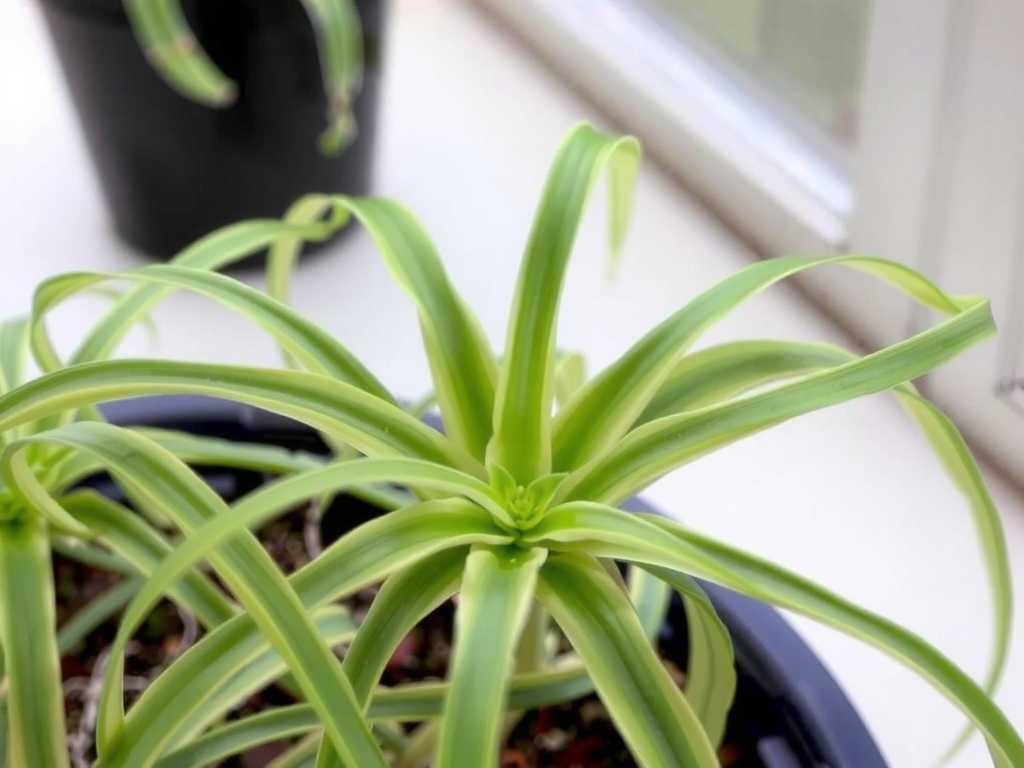
- The Fix: The "soak and dry" method. Water thoroughly, let the top inch of soil dry out, then water or fertilize again. This provides oxygen to the roots, which is as crucial as nutrients.
Sustaining Growth for Future Runners
Seeing those first shoots is thrilling, but the work continues to ensure they mature and eventually produce their own healthy runners.
- Ongoing Feeding: After this initial 2-week push, I shifted to a monthly feeding schedule with a half-strength balanced fertilizer during the growing season (spring and summer).
- Light is Fuel: I kept the plant in that bright, indirect light. This is the engine that drives photosynthesis, using the nutrients we provide.
- Patience Pays: It takes time for new shoots to mature and send out their first runners. Consistent care is the secret.
How long after pruning should I wait to see new shoots? With the correct post-pruning fertilization and care, you can expect to see the first signs of new basal shoots within 2-3 weeks. Mature shoots capable of producing runners may take several months.
Can I use any fertilizer to promote growth on pruned spider plants? A balanced, water-soluble fertilizer (like a 10-10-10 or 20-20-20 formula) is best. Avoid high-nitrogen "bloom boosters," as they can promote weak, leggy growth. The key is the dilution and timing as much as the type.
My new shoots are growing but very slowly. What should I do? First, reassess light. This is the most common limiter. Ensure it's getting bright, indirect light. Second, check that you're not overwatering. Slow growth can also mean the plant is establishing its root system first. Continue with consistent, monthly diluted feeding and be patient.
Witnessing new life emerge from a pruned spider plant is deeply rewarding. By understanding that pruning is a new beginning and providing targeted, gentle nutrition through a staged fertilization method, you directly influence the plant's recovery trajectory. It’s a clear process: heal first with a weak solution, then activate growth with slightly stronger support, all within a supportive environment of light and humidity. Those withered runners are now a memory, replaced by the promise of vibrant new shoots and, in time, a fresh cascade of healthy plantlets.