bluename
 Odor in spider plant Potting Soil: Deodorizing and Soil Improvement Effect of Plant Ash
There’s nothing quite as disheartening for a houseplant enthusiast like myself than leaning in to admire a lush, variegated spider plant, only to be met with a musty, sour, or downright foul odor wafting from its potting soil. It’s a common, frustrating problem that signals something is off in your plant’s microenvironment. If you’ve been battling this issue, you’re not alone. I’ve been there, and after trying various quick fixes, I discovered a remarkably effective, natural solution: using plant ash to tackle that stubborn odor in spider plant potting soil. This isn't just a masking trick; it's a dual-action treatment that addresses the root cause of the smell while actively improving the soil structure for long-term plant health. Over a focused two-week experiment, I documented the entire process—the application, the visible changes, the mistakes made, and the final, rewarding results.
Understanding Why Your Spider Plant’s Soil Smells
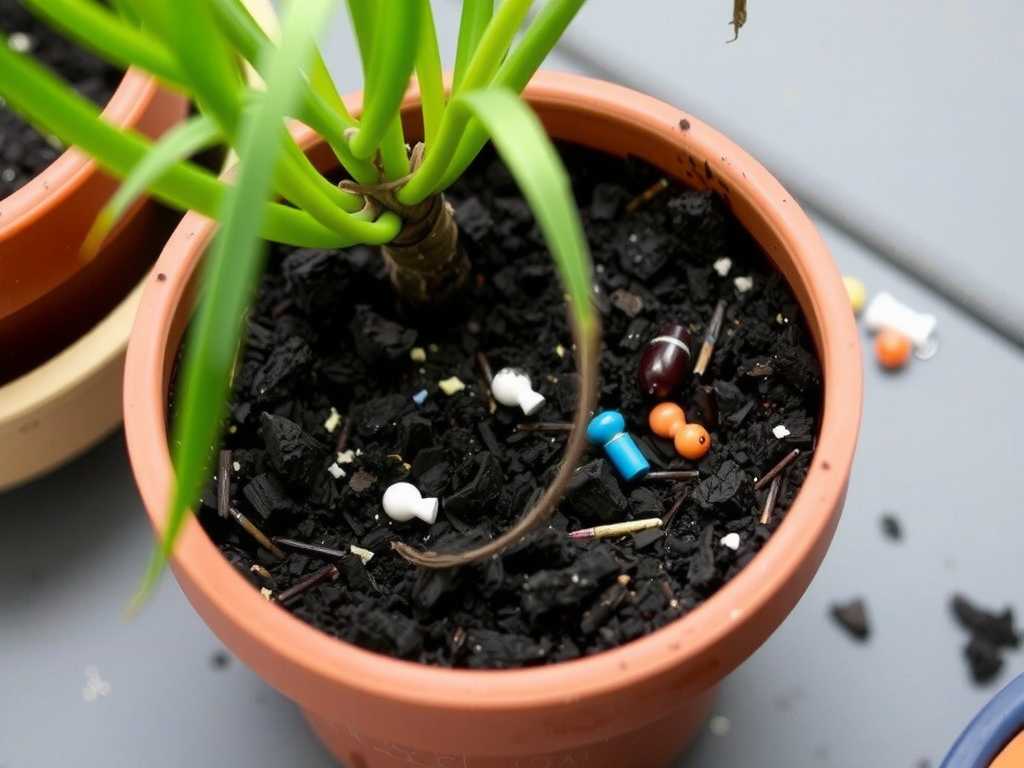
Before reaching for any remedy, it’s crucial to diagnose the smell. A healthy potting mix should have an earthy, pleasant scent. Offensive odors typically point to anaerobic conditions—a lack of oxygen in the soil. This is often caused by overwatering, poor drainage, or a potting medium that has broken down and become too compacted. In this low-oxygen environment, harmful bacteria and fungi thrive, producing foul-smelling gases as they decompose organic matter. The Royal Horticultural Society (RHS) notes that persistently waterlogged soil is a primary cause of root rot and associated odors, stressing the importance of free-draining media. My spider plant’s issue was a combination of a slightly too-dense potting mix and my own overzealous watering habits during a cloudy period.
Why I Chose Plant Ash as My Solution
I was determined to find a solution that was natural, sustainable, and beneficial beyond just deodorizing. Chemical fungicides or simply repotting felt like short-term wins. That’s when I researched the deodorizing and soil improvement effect of plant ash. Wood ash, specifically from untreated hardwood, is a time-honored soil amendment. It’s rich in potassium and calcium carbonate (lime), and it possesses natural alkaline and absorptive properties. The American Horticultural Society (AHA) highlights wood ash’s role in raising soil pH and adding valuable micronutrients. I theorized that its alkalinity could help neutralize acidic byproducts of decay, while its fine, porous particles could improve soil aeration and absorb excess moisture and odors—directly combating the anaerobic conditions. This made it a perfect candidate for my spider plant soil odor removal mission.
My Step-by-Step Process: Applying Plant Ash
I decided to conduct a careful, observational trial over 14 days. Here is the exact process I followed, designed to be safe for the plant.
Preparation and Sourcing the Ash First, I needed the right ash. I used only cold, sifted ash from my fireplace, ensuring it was from untreated wood (no plywood, painted wood, or coal). I sifted it through a fine mesh to remove any large charcoal chunks, resulting in a uniform, powdery grey ash. It’s vital to use ash from clean sources to avoid introducing toxins.
Assessing and Preparing the Plant My spider plant was in a 10-inch pot with drainage holes. I allowed the soil to dry out more than usual—until the top two inches were completely dry. This was critical; applying ash to soggy soil would be counterproductive. I gently loosened the top layer of soil with a small hand fork, being careful not to disturb the major roots.
Application Method I did not mix the ash into the deep soil. Instead, I opted for a top-dressing method. I evenly sprinkled a thin layer of sifted plant ash over the surface of the soil, using approximately two tablespoons for the pot size. The goal was a light dusting, barely covering the soil surface—not a thick blanket. I then used a chopstick to very gently incorporate the ash into just the top half-inch of soil. This allows it to interact with the soil environment without drastically altering the root zone’s pH all at once.
Initial Watering and Placement After application, I watered the plant lightly from the bottom by placing it in a saucer of water for about 15 minutes. This prevented the ash layer from forming a crust on top. I placed the plant back in its usual spot with bright, indirect light and promised myself I would strictly follow a "soak and dry" watering routine for the duration of the experiment.
The Two-Week Observation: Effects and Transformations
Days 1-3: The Immediate Change The most immediate effect was on the smell from potted spider plant soil. Within 24 hours, the musty odor was noticeably diminished. By day three, it was virtually gone when I sniffed the soil surface. The ash seemed to have absorbed the gaseous odors effectively. The plant itself showed no signs of stress; leaves remained perky and green.
Days 4-7: Monitoring Soil and Plant Health I was vigilant about overwatering, the original culprit. I noticed the soil surface appeared drier and less compacted. The ash seemed to improve the tilth, preventing the top layer from caking. When I watered on day five, I observed the water infiltrated more evenly rather than pooling on the surface. There was no resurgence of the foul smell after watering, a very positive sign.
Days 8-14: Visible Improvements and a Setback By the second week, the benefits extended beyond odor control. I noticed a slight but visible brightening in the green color of the older leaves, which I attribute to the slow release of potassium from the ash. However, I also encountered my first "pitfall."
The Pitfall and Correction: A Lesson in Moderation Around day 10, I noticed the very tips of two older leaves developing a slight brown scorch. This was my mistake. Spider plants prefer slightly acidic to neutral pH, and wood ash is alkaline. While my top-dressing was light, it had likely raised the pH in the immediate root zone a touch too much for its liking. This is a crucial consideration for treating smelly potting mix with ash.
The fix was simple. I carefully scraped away the top layer of ash-amended soil (about the top quarter-inch) and replaced it with a small amount of fresh, neutral potting mix. I then flushed the soil with a generous amount of distilled water (about twice the pot's volume) to help leach any excess alkalinity down and out through the drainage holes. This quick intervention stopped the tip-burn from progressing.
Final Results After 14 Days At the end of two weeks, the result was a success. The offensive odor was completely eliminated and had not returned. The soil texture was visibly improved—less dense, more crumbly. My spider plant responded with healthy, firm leaves and even produced a new runner with plantlets. The initial pH issue was a valuable lesson in using ash sparingly and monitoring the plant closely.
Why Plant Ash Works: The Science Simplified
The benefits of wood ash for houseplants in this context are multifaceted. First, its high pH helps neutralize the acidic compounds produced by anaerobic bacteria, effectively "sweeping" away the chemical cause of the smell. Second, its microscopic porous structure acts like a tiny sponge, absorbing excess moisture and trapping odor molecules. Third, the potassium strengthens plant cell walls, improving overall resilience. It’s a holistic amendment that tackles both symptom (odor) and cause (poor soil environment).
Best Practices for Using Ash on Spider Plants
Based on my experience, here are my golden rules:
- Less is More: Always use a scant, dust-like layer. A little goes a very long way.
- Top-Dress, Don’t Mix In: Incorporate only into the very top layer of soil to avoid shocking the root system.
- Source Matters: Use only ash from untreated wood, paper, or vegetative matter.
- Timing is Key: Apply only to dry or slightly moist soil, never wet soil.
- Monitor pH: Be aware that ash raises pH. For acid-loving plants, this method is not suitable, but spider plants tolerate it well with careful application.
- Combine with Good Culture: This is not a substitute for proper watering. Always ensure your pot has drainage and let the soil dry out between waterings.
Addressing Your Concerns
Can I use barbecue or charcoal ash? Absolutely not. Barbecue ash often contains lighter fluid, additives, and meat fats, which are harmful to plants. Stick to clean, untreated wood or plant ash.
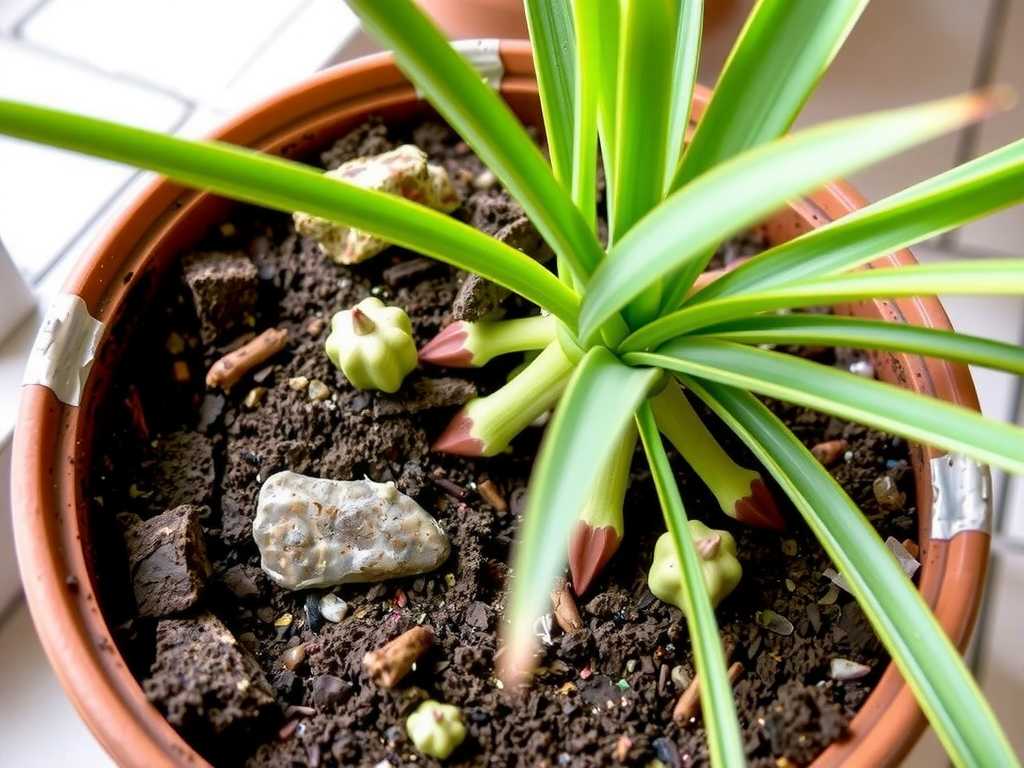
How often should I apply plant ash for odor control? This should be a one-time corrective treatment for an existing odor problem, not a regular fertilizer. After the initial application, focus on maintaining good watering practices. Reapplication should only be considered if the problem recurs, and no more than once a season.
Will plant ash harm the beneficial microbes in the soil? While its alkalinity can temporarily alter microbial life, it does not "sterilize" soil. The improvement in soil structure and drainage ultimately promotes a healthier, more aerobic environment where beneficial microbes can thrive. The key, again, is using a minimal amount.
Dealing with a smelly spider plant pot can be worrying, but it’s often a fixable issue. My two-week journey with plant ash proved its worth as a powerful, natural tool for improving spider plant soil quality and eliminating odors. The transformation from a sour-smelling pot to a healthy, vibrant plant was clear. The experience taught me the importance of observation, moderation, and understanding the "why" behind the problem. By addressing the soil environment holistically—with a sprinkle of ash and a disciplined watering routine—you can restore your spider plant to its fresh, air-purifying glory.