bluename
 spider plant Leaves Wilting: My Pot Removal and Drying Rescue Mission for Overwatering
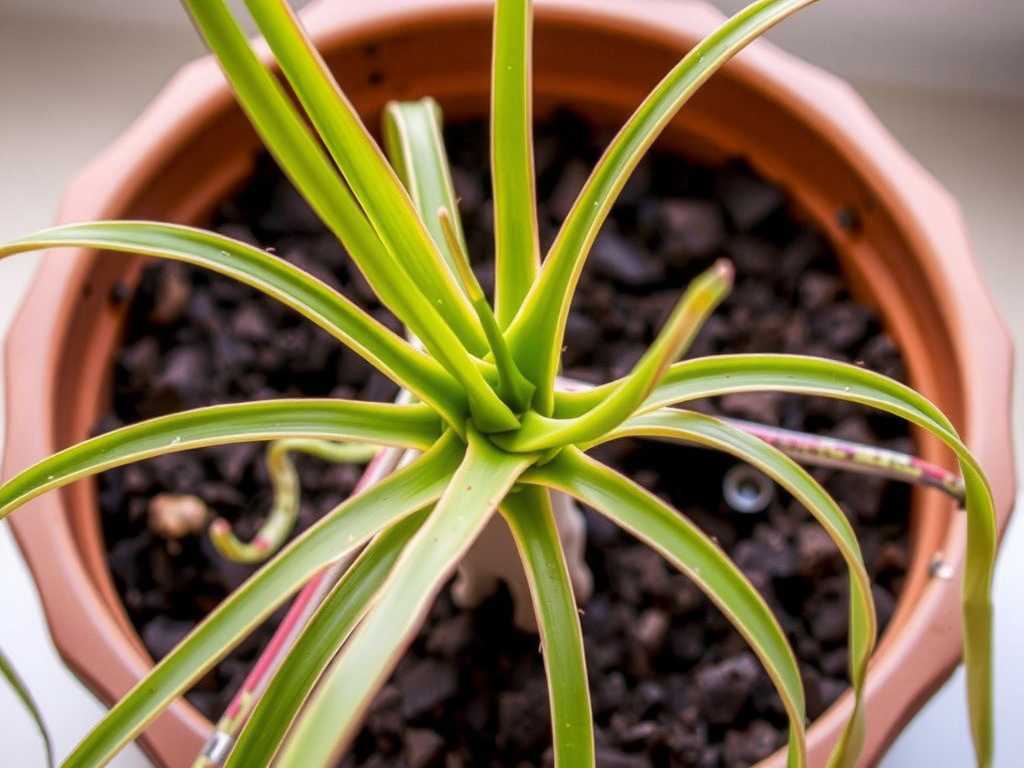
I’ll never forget the sinking feeling. My beloved, once-lush spider plant, a champion of cascading green and white, had gone from perky to pathetic. Its leaves weren't just drooping; they were wilting, turning pale and soft at the base. I knew that look all too well—the classic cry for help from an overwatered plant. If you're seeing the same sad sight, you're likely dealing with spider plant leaves wilting due to soggy soil. Don't panic. I successfully navigated this crisis, and I’m here to guide you through the exact pot removal and drying process that brought mine back from the brink.
This isn't just theory. This is my hands-on, two-week rescue journal. I’ll share every step, the mistakes I made along the way, and how the plant responded day by day. We’ll focus on the critical actions of removing a spider plant from its pot and implementing effective drying tips for overwatered plants.
Recognizing the SOS: Why Wilting Means "Stop Watering!"
We often think wilting means thirst, but with spider plants, it’s usually the opposite. Their fleshy roots store water. When they sit in moisture for too long, the roots suffocate and begin to rot, losing their ability to absorb water or nutrients. Ironically, this causes the leaves to wilt and yellow. The Royal Horticultural Society (RHS) confirms that overwatering is the most common cause of houseplant demise, leading directly to root rot. My plant was a textbook case: the soil felt cold and clammy days after watering, and a faint, musty smell was emerging from the pot.
The Rescue Operation: Step-by-Step Pot Removal and Assessment
This is where you move from worry to action. Time is critical.
Step 1: Gathering Your Supplies I cleared a workspace and gathered: newspaper, a clean workspace, sterile pruning shears (wiped with rubbing alcohol), fresh, well-draining potting mix (a cactus/succulent blend is perfect), and a pot with excellent drainage holes. Having everything ready is crucial to avoid leaving the exposed roots out for too long.
Step 2: The Gentle Removal I tipped the pot on its side and gently coaxed the plant out. I did not pull on the leaves! If the pot is plastic, I sometimes gently squeeze the sides. My plant was quite stuck due to the dense, wet root ball. Here was my first mistake and fix: I initially tried to yank it, risking stem damage. The solution was to run a blunt knife around the very inside edge of the pot to break the soil’s suction. It slid out smoothly after that.
Step 3: The Root of the Problem This was the revealing moment. I carefully crumbled away the soggy soil. The healthy roots of a spider plant should be firm and white or pale orange. What I found were sections of brown, mushy roots that fell apart to the touch—clear root rot. The American Horticultural Society (AHS) advises that all soft, rotten material must be removed to prevent the fungus from spreading.
Step 4: The Surgical Trim With my sterilized shears, I meticulously cut away every soft, brown root. I trimmed back any overly long, healthy roots slightly to encourage new growth. It felt drastic, but it’s necessary. I left only firm, healthy root tissue. I then gently rinsed the remaining root system in lukewarm water to wash away any lingering old soil and rot spores.
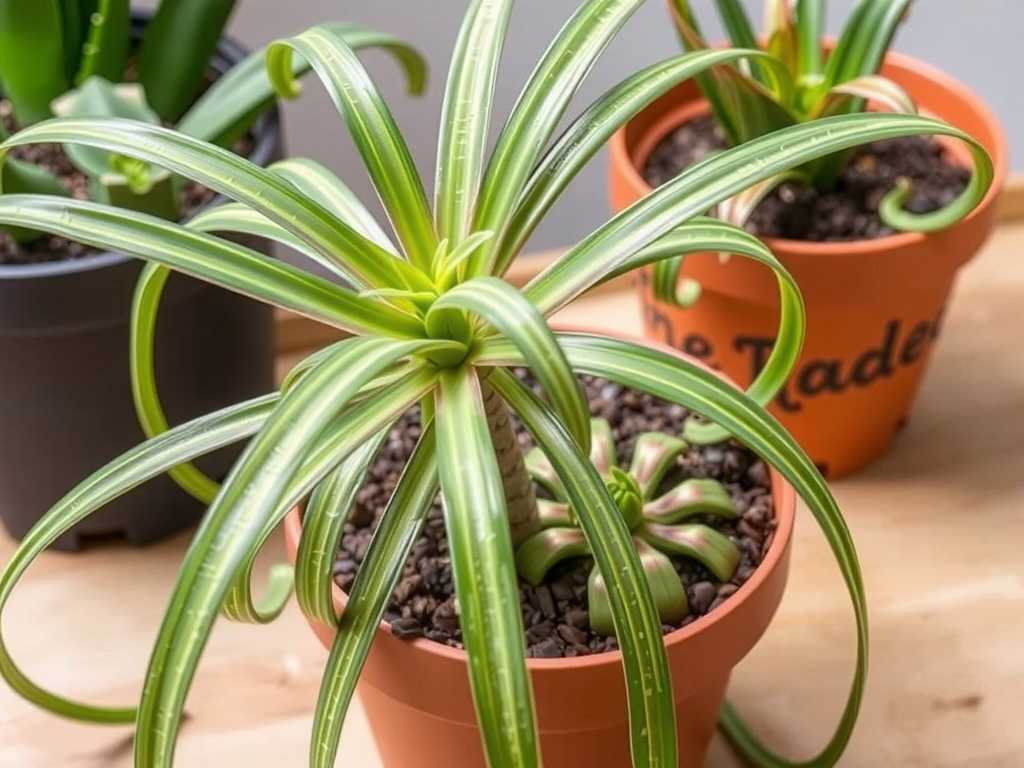
Step 5: The Crucial Drying Period This is a vital tip for drying an overwatered plant that many skip. Before repotting, the plant needs to air out. I laid the root ball on a stack of dry newspaper in a warm, shaded, and airy spot indoors. I let it rest for about 4-6 hours. This allows the cut ends to callous over, which helps prevent re-infection when placed in new, damp soil.
Repotting and The Two-Week Recovery Watch
After the roots felt dry to the touch (not brittle), I proceeded.
Step 6: Fresh Start in New Soil I placed a layer of fresh, dry potting mix in the clean pot (I used the same one after scrubbing it with a bleach solution). I positioned the plant at the same depth it was before and filled in around the roots with more mix, tapping the pot to settle it without compacting. I did not water it. This is key. The plant has no rotten roots to drink with, and the new soil has enough ambient moisture.
Step 7: The Post-Op Care I placed the plant in bright, indirect light—no direct sun, which would add stress. I resisted all watering urges. The goal is to let the roots seek out the minimal moisture in the new soil, encouraging growth.
My Two-Week Observation Log
- Days 1-3: The plant looked… worse. Some outer leaves turned fully yellow or brown. This was expected—the plant was shedding the parts it could no longer sustain. I carefully plucked these away to keep things tidy.
- Days 4-7: The dramatic decline stopped. The remaining leaves, while still droopy, held their color. No new yellowing appeared. This was the first sign of stabilization.
- Days 8-10: I noticed the very center of the plant, where new growth emerges, seemed firmer. The deepest green leaves began to feel slightly more rigid. I performed the "taco test"—gently trying to fold a leaf like a taco. A well-hydrated leaf resists; it was still pliable but less so than before.
- Days 11-14: Victory signs! New, tiny leaf tips began to peek out from the center. The overall posture of the plant improved; the leaves were less slumped. On day 14, I gave it its first thorough watering for a recovered spider plant: a deep soak until water ran freely from the drainage holes, then I let it drain completely.
Common Pitfalls and How I Avoided (or Fixed) Them
Pitfall 1: Watering too soon after repotting. This was my biggest temptation. I stuck a dry chopstick deep into the soil; if it came out clean, the soil was dry. I waited the full 14 days. Pitfall 2: Using the old, contaminated soil. Never reuse soil from a sick plant. I started fresh to eliminate pathogens. Pitfall 3: Choosing a pot that’s too large. A pot that’s too big holds excess moisture. I used a pot just 1-2 inches wider than the remaining root ball to prevent future overwatering issues. Pitfall 4: Not sterilizing tools. Using dirty shears can spread disease. I wiped them with alcohol before and after use.
Your Questions, Answered
How long can spider plant roots dry before repotting? A few hours to a maximum of 24 is safe. You want them to lose surface moisture and callous, not desiccate completely. My 6-hour window was perfect.
Should I cut off all the wilted leaves? Only remove leaves that are fully yellow or brown and pull away easily. Leaves that are merely droopy may recover once the roots do. Pruning them prematurely robs the plant of energy.
How do I prevent this from happening again? The ultimate solution for wilting spider plants is prevention. Water only when the top 1-2 inches of soil are completely dry. Ensure brilliant drainage in your pot and soil mix. When in doubt, wait another day or two to water. Spider plants thrive on benign neglect.
Watching my spider plant wilt was a lesson in listening. Its drooping leaves weren't a request for more water, but a signal to stop and investigate. The process of removing it from the pot, confronting the root rot, and patiently allowing it to dry and recover was transformative for both the plant and my care habits. Two weeks of disciplined patience rewarded me with the most satisfying sight: new growth. Remember, these plants are resilient. With a calm, methodical approach, you can turn that wilt into a comeback story.