bluename
 Spider Mite Infestation on spider plants: My 2-Week Battle with the High-Pressure Water Gun Method
There's a special kind of frustration that blooms when you see your beloved spider plant, a champion of resilience, starting to look dull and speckled. The leaves lose their vibrant green, showing tiny yellow dots, and a closer look reveals a sinister, almost invisible webbing. That was my reality a month ago. I was facing a classic spider mite infestation on my spider plants. As a long-time plant enthusiast, I knew chemical sprays were an option, but I wanted a more physical, immediate, and non-toxic approach. I decided to commit to a physical control method of high-pressure water gun washing. This is my detailed, two-week journal of the process, the results, and every lesson learned along the way.
Why I Chose the Water Blast Method Over Sprays
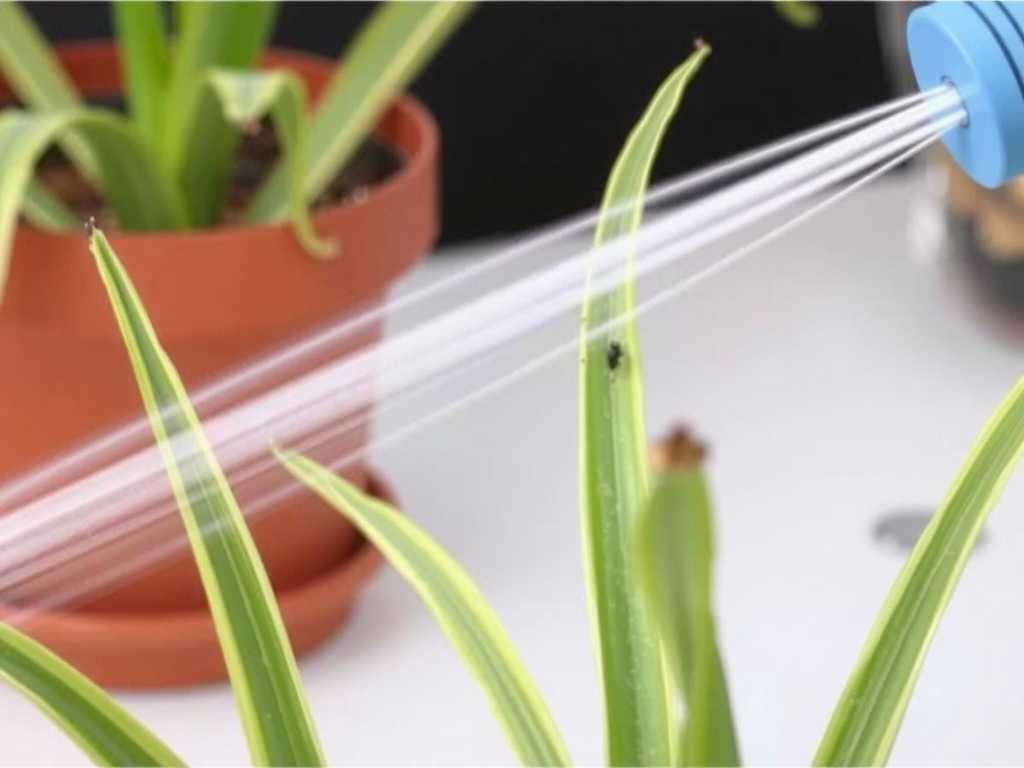
My research, backed by resources from the Royal Horticultural Society (RHS), confirmed that spider mites thrive in hot, dry conditions and their populations can explode rapidly. The RHS notes that non-chemical methods are often the first line of defense, especially indoors. A strong jet of water physically dislodges the mites, their eggs, and the protective webbing, disrupting their life cycle. It felt like a direct, hands-on solution. My core goal was using a pressure washer for spider mite removal as a primary tactic, not just a supplementary step.
My Gear and Preparation Setup
I didn't use a full-sized power washer. Instead, I opted for a high-pressure water sprayer for garden pests, a handheld pump-action gun with an adjustable nozzle that I typically use for cleaning patio furniture. Here’s how I prepared:
- Isolation: I immediately moved the affected spider plant to my bathtub. Containment is crucial to prevent mites from migrating to other plants.
- Protection: I placed a garbage bag over the soil surface and secured it around the base of the plant stems. This prevented the soil from becoming waterlogged and eroding.
- Angle & Pressure: I adjusted the nozzle to a sharp, pinpoint jet stream, not a mist. The RHS recommends a strong spray, and this setting provided the force needed without being so harsh it shredded the leaves.
The Step-by-Step Washing Process
This wasn't a gentle shower. It was a tactical operation.
First, I laid the plant pot on its side in the tub. This allowed me to target the undersides of the leaves, which is where controlling spider mites on chlorophytum (the spider plant's botanical name) is most critical. Mites congregate there. I methodically worked through each leaf, holding the nozzle 6-8 inches away and blasting every crevice, stem junction, and the central crown of the plant. The water pressure dislodged a shocking amount of fine webbing and tiny specks (the mites) that washed down the drain. I then flipped the plant and repeated the process on the top surfaces. The entire wash took about 15 minutes per plant.
Week 1: The Initial Aftermath and a Critical Mistake
After the first wash, the plant looked cleaner but stressed. Leaves were dripping, and some were bent. I let it drain thoroughly in the tub before returning it to its isolated spot away from other plants.
The First Pitfall: I made a huge error. I assumed one powerful wash would be enough. I was wrong. According to the American Horticultural Society (AHS), spider mite eggs are notoriously resilient and can hatch days later. My single wash missed the next generation.
By Day 4, I saw a few new specks of damage. The infestation wasn't gone; it was rebounding. This was my key lesson: consistency is non-negotiable. The physical removal method requires repeated assaults to break the reproductive cycle.
The Revised Battle Plan: Intensity and Frequency
I immediately instituted a new regimen. I repeated the high-pressure water gun washing every third day for the next two weeks. This aggressive schedule aimed to disrupt any newly hatched mites before they could mature and lay more eggs. Before each wash, I would meticulously inspect the leaves with a magnifying glass to monitor progress.
Week 2: Observation and Turning the Tide
The second week told a different story. After the second wash (Day 3), the amount of visible debris and webbing was noticeably less. After the third wash (Day 6), I struggled to find any active mites during my pre-wash inspection. The new stippling (yellow dots) on leaves had completely stopped.
By the end of Week 2 and the fourth washing session (Day 9), the plant showed clear signs of recovery. Its growth seemed to have paused initially from the stress, but now new, healthy, mite-free leaves were beginning to emerge from the center. The existing leaves, while still bearing the scars of the old damage, looked cleaner and started to regain their gloss. The physical control method was proving successful.
Key Takeaways and Solutions for Common Problems
- Pitfall 1: Over-saturating the Soil. Even with the bag cover, some water seeped in. Solution: After washing, I let the plant drain in the tub for a full hour. I also checked the soil moisture with a meter before any subsequent watering to avoid root rot.
- Pitfall 2: Leaf Damage from Pressure. A few older leaves developed small tears at the edges from the direct force. Solution: I adjusted my aim to hit the undersides more directly and the tops more obliquely. I also accepted that a minor amount of cosmetic damage was a worthwhile trade-off for eliminating the pests.
- Pitfall 3: Incomplete Coverage. It's easy to miss the center of the plant where leaves cluster. Solution: I used my fingers to gently separate the leaves and direct the water jet into the plant's heart during each session.
Is This Method Right for Every Spider Plant?
For a robust, mature spider plant like mine, it was excellent. However, for very young, delicate propagations (spiderettes), the water pressure might be too harsh. For those, I would recommend a softer spray from a sink faucet or a manual wipe with a damp cloth, though it is more labor-intensive.
Frequently Asked Questions
How often should I wash my plant with this method? Start with an intensive phase: wash every 3-4 days for at least two weeks. This breaks the 5-day egg-hatching cycle. Once no new damage is seen for a week, you can shift to a preventative monthly wash or as-needed.
Will this alone completely eradicate spider mites? For a mild to moderate infestation, yes, it can be completely effective if done consistently. For severe, long-standing infestations, it may need to be combined with other methods like insecticidal soap sprays or miticides after the physical removal to knock down the population.
Can I use this on other houseplants? Yes, but with caution. Plants with sturdy, waxy leaves (like rubber plants, schefflera) are great candidates. Avoid using high pressure on fuzzy-leaved plants (like African violets), succulents, or any plant prone to holding water in its crown, as it can cause rot.
My two-week experiment with the high-pressure water gun was a success. It required more effort and vigilance than a simple spray bottle, but the results were tangible and chemical-free. The spider mite infestation was controlled, and my spider plant is now putting out lush, new growth, having survived the onslaught. If you're facing those tell-tale specks and webs, don't hesitate to turn to the power of water. Just remember: be thorough, be consistent, and protect your soil. Your spider plant will thank you for the tough love.