bluename
 spider plant Leaf Spot Disease: My Complete Guide to Using Thiophanate-Methyl Safely and Effectively
Seeing those ugly brown or black spots spread across the leaves of your beloved spider plant is a heart-sinking moment. I’ve been there. As a houseplant enthusiast with a growing collection, I’ve learned that Spider Plant Leaf Spot Disease can quickly turn a lush, variegated beauty into a spotty, struggling mess. It’s a common fungal issue, often caused by overwatering or poor air circulation, but knowing that doesn’t make it less frustrating. After trying neem oil and homemade remedies with limited success on a severe outbreak, I turned to a more targeted solution: Thiophanate-Methyl. This guide details my hands-on experience, from the first application to the two-week recovery, including the mistakes I made and how you can avoid them.
Understanding the problem is half the battle. According to the American Horticultural Society (AHS), leaf spot diseases in houseplants, including those on spider plants, are frequently fungal and thrive in moist conditions. Proper diagnosis is crucial, as bacterial spots require different treatment. The circular to irregular brown lesions, sometimes with yellow halos, on my plant were classic signs of a fungal attack. That’s when I decided a systemic fungicide like thiophanate-methyl was necessary. It works from within the plant to stop the spread of the fungus, offering protection that topical sprays can’t match.
My Step-by-Step Process for Applying Thiophanate-Methyl
Before mixing anything, I isolated my affected spider plant. This is a non-negotiable first step to protect your other plants. I placed it on a separate table near a bright, indirect light source.
Gathering the Right Gear and Mixing Safety is paramount. I put on nitrile gloves, a simple dust mask, and safety glasses. Thiophanate-methyl is a low-toxicity chemical for humans, but I believe in minimizing any exposure. I used a wettable powder formulation. Following the label instructions to the letter, I measured the specified amount—usually about 1/2 teaspoon per gallon of water—into a small jug first, added a little water to make a slurry, then filled it to one gallon. This prevents clumping. I poured the mixture into a clean, dedicated spray bottle. Never use a container that has held other chemicals.
The Application: Thoroughness is Key I took the plant to a well-ventilated area, my bathroom with the exhaust fan on. The goal is to coat all plant surfaces. I sprayed the tops and bottoms of every leaf until they were glistening with runoff, paying special attention to the soil surface and the base of the plant. I made sure to cover every new shoot and runner (stolon). It was a meticulous process, but missing spots means leaving room for the fungus to survive. I allowed the plant to drip and air dry completely before returning it to its isolation spot.
Post-Application Care and Environment Adjustments The fungicide works inside the plant, but I needed to remove the conditions that caused the problem. I carefully trimmed away the most severely spotted leaves with sterilized scissors, disinfecting them between cuts with isopropyl alcohol. I adjusted my watering schedule drastically, allowing the soil to dry out almost completely between waterings. I also placed a small fan nearby to improve air circulation around the foliage, a tip supported by RHS guidelines for reducing fungal disease pressure.
The 2-Week Recovery Timeline: What I Observed
Days 1-3: The Initial Wait Honestly, the first few days were anxiety-inducing. The spots didn’t disappear—and they won’t. The damaged tissue is permanent. The key was monitoring for new spots. I inspected the plant daily under good light. No new lesions appeared, which was the first positive sign.
Days 4-7: New Growth Emerges This was the turning point. I noticed the small plantlets on the runners, which had looked stunted, began to push out new, clean, green leaves. The main plant also showed a new central shoot. This new growth was completely free of spots, indicating the systemic action of the thiophanate-methyl fungicide was protecting the plant from within. The existing spots looked drier and seemed to have stopped enlarging.
Days 8-14: Stabilization and Confidence By the end of the second week, the plant’s overall demeanor changed. It looked perkier. The new growth was vigorous and healthy. The old, spotted leaves remained, but they were clearly isolated issues. The disease progression had been completely halted. I continued my careful watering routine and maintained good airflow. The plant was officially on the mend.
The Pitfalls I Encountered and How I Fixed Them
My journey wasn’t perfectly smooth. I made a couple of errors that taught me valuable lessons.
Mistake 1: Incomplete Coverage on the First Try. During my first application, I was too gentle. I sprayed the tops of the leaves but neglected the undersides and the dense center of the plant. A few days later, I saw a tiny new spot deep inside the foliage. I had missed a pocket of fungus.
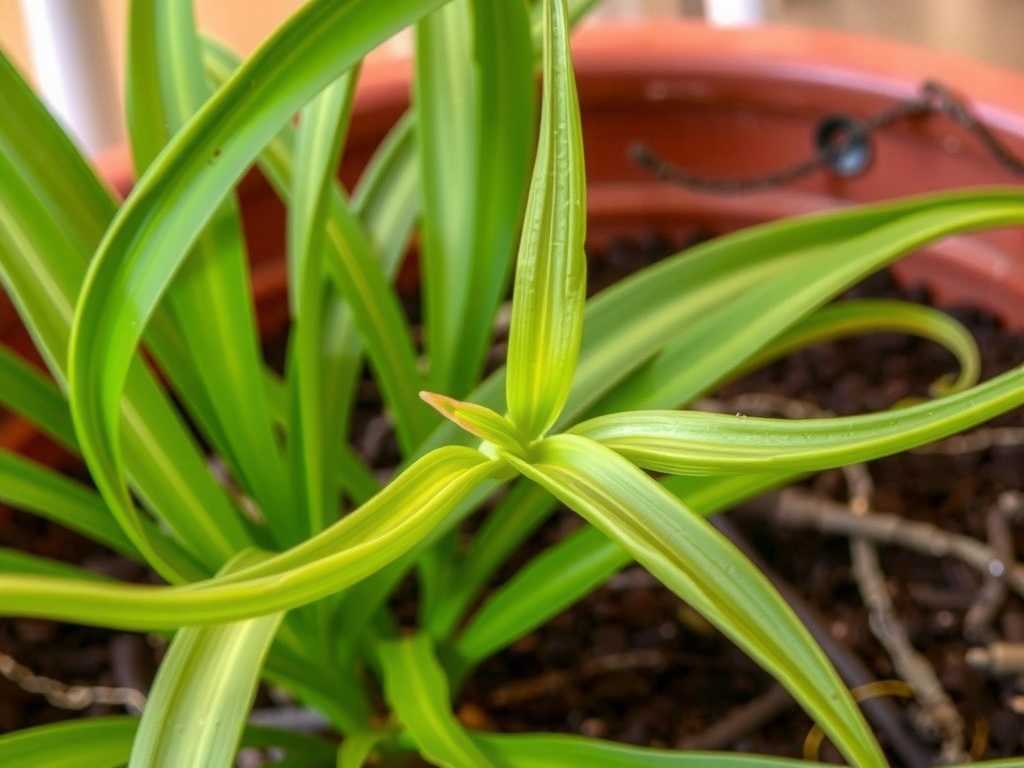
Solution: For the second application (done 10 days after the first, as per the label for severe cases), I was ruthlessly thorough. I gently spread the leaves apart to spray directly into the crown and turned every leaf over. This complete coverage was essential for controlling spider plant fungus effectively.
Mistake 2: Ignoring the Root Cause. My initial thought was, "The fungicide will fix it." I didn’t immediately change my care habits. I watered on my old schedule, keeping the soil too damp.
Solution: I realized the fungicide is a treatment, not a cure-all. To prevent immediate recurrence, I had to fix the environment. I repotted the plant into a fresh, well-draining potting mix and a pot with better drainage holes. I started using a moisture meter to eliminate guesswork. This holistic approach—treatment plus environment change—is critical for long-term health.
Mistake 3: Impatience with Results. I expected the brown spots to vanish. When they didn’t, I almost considered a second application too soon, which could harm the plant.
Solution: I learned to manage my expectations. Fungicides stop the spread; they don’t erase existing damage. The marker of success is healthy new growth and the absence of new spots. Patience is a key part of plant disease treatment.
Frequently Asked Questions
Can I use thiophanate-methyl on all my houseplants? Always check the label. While it is labeled for a wide range of ornamental plants, some may be sensitive. I tested it on a single leaf of my peace lily first, waiting 48 hours for any adverse reaction, before treating the whole plant for a separate issue. This is a good practice for any new product.
How often should I apply it to my spider plant? Never guess. The label is your bible. For my product, it recommended an initial application, followed by a second application 7-10 days later for severe infections, and then preventative applications at 2-3 week intervals if needed. I only needed the initial and one follow-up spray. Over-application can lead to fungicide resistance in the pathogen.
Is thiophanate-methyl safe around pets? While it is considered to have low mammalian toxicity, the key is to keep pets away until the spray has completely dried on the plant. I treated my plants in a separate room, let them dry for several hours, and then returned them to a spot my cat couldn’t access for a full 24 hours, providing an extra margin of safety. Always store the chemical securely out of reach.
Watching my spider plant recover its vitality over those two weeks was incredibly rewarding. Tackling Spider Plant Leaf Spot Disease with thiophanate-methyl was effective because I combined the targeted chemical treatment with crucial adjustments to my plant care habits. The fungicide halted the internal invasion, while better watering and airflow addressed the cause. Remember, the old spots will remain as a reminder, but the vibrant, unmarked new growth is your true sign of victory. With careful application, realistic expectations, and a commitment to improved care, you can rescue your spider plant from leaf spot and enjoy its graceful arches for years to come.