bluename
 Garlic Water for spider plants: My 2-Week Battle Against Pests in Potting Soil
There’s nothing more disheartening for a houseplant lover than seeing your beloved spider plant, usually a symbol of resilience, start to look sad. You notice the telltale signs: tiny flies buzzing around the soil, yellowing leaves, or a general lack of vigor. I’ve been there. After bringing home a beautiful, variegated spider plant, I soon discovered a cloud of fungus gnats emerging every time I watered. The potting soil, which should be a source of life, had become a nursery for pests. Desperate to avoid harsh chemicals and determined to find a natural solution, I turned to a kitchen staple: garlic. This is my detailed, two-week journey using garlic water as an insect repellent for my spider plant’s infested soil, covering every step, result, and lesson learned.
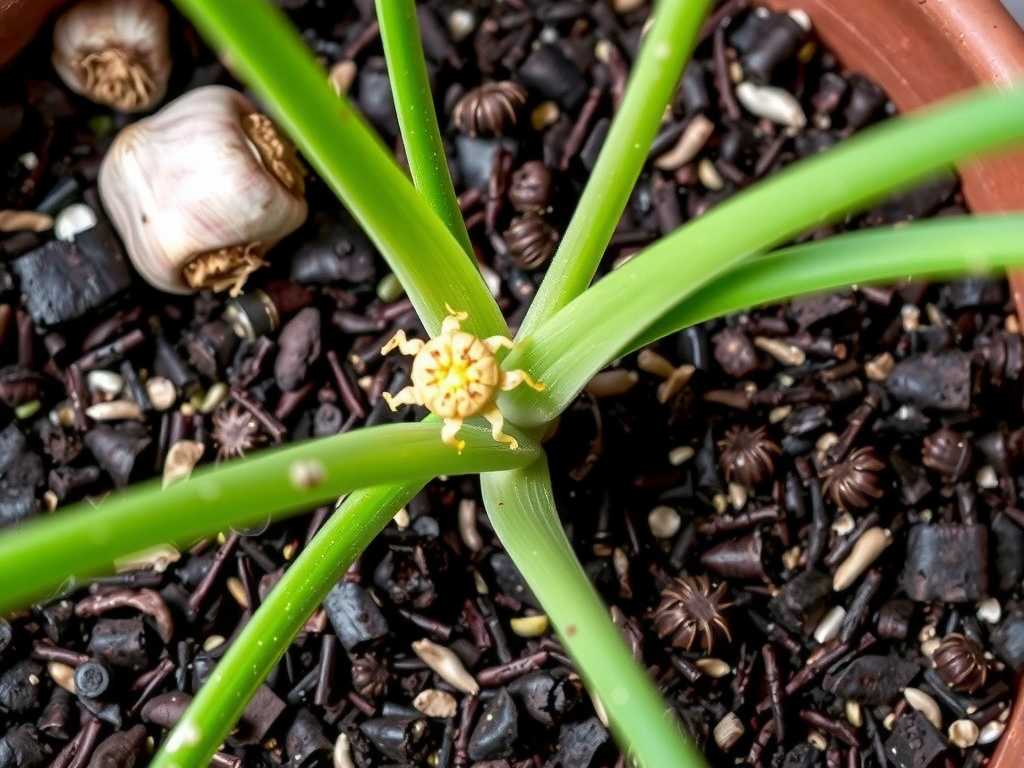
Why I Chose Garlic Water for My Spider Plant’s Soil Pests
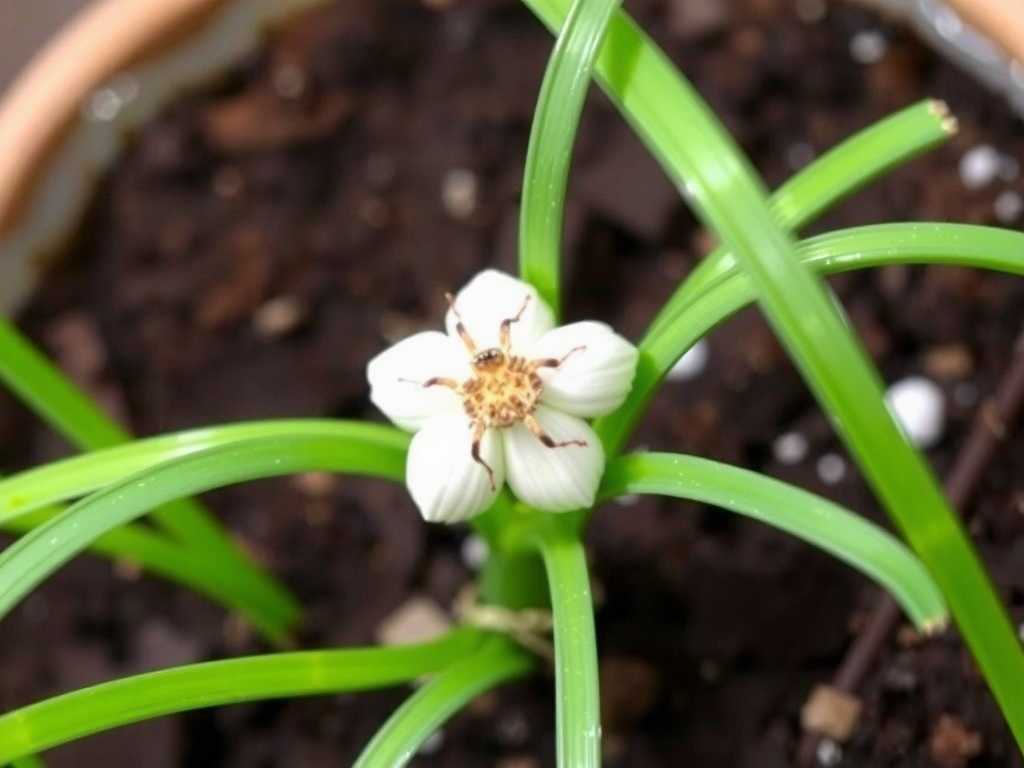
The decision wasn’t random. I needed a remedy that was safe for my home, my pets, and the plant itself. Chemical insecticides felt like overkill for a minor but persistent infestation. Research led me to numerous gardening forums and even references from sources like the RHS (Royal Horticultural Society), which acknowledges the use of certain homemade preparations for pest deterrents, emphasizing they are preventative rather than curative. Garlic contains allicin, a compound with noted antifungal and antibacterial properties. While not a registered pesticide, its strong scent and bioactive components are widely believed to repel soft-bodied insects like fungus gnats and aphids. My goal was to test if a consistent garlic water treatment could break the life cycle of pests in the potting soil and restore my spider plant’s health.
My Step-by-Step Garlic Water Preparation and Application
I approached this like a careful experiment. Here’s exactly what I did.
First, I prepared the garlic infusion. I took three large cloves of fresh, organic garlic (I wanted to avoid any residual chemicals), crushed them to maximize allicin release, and added them to one liter of boiling water. I let this steep for at least 24 hours, covered, at room temperature. Some recipes suggest boiling the crushed cloves, but I opted for steeping to preserve the volatile compounds. After a day, I strained the mixture through a fine cloth into a spray bottle, ensuring no solid pieces remained to rot in the soil.
Before the first application, I let the top inch of my spider plant’s potting soil dry out completely. This is crucial, as fungus gnats thrive in moist conditions. I then gently loosened the top layer of soil with a fork to allow better penetration.
My application method was two-fold. I poured about 100ml of the strained garlic water directly onto the soil, ensuring even coverage but not drenching it to the point of sogginess. Immediately after, I used the spray bottle to mist the soil surface and the base of the plant stems thoroughly. The pungent aroma was immediately noticeable—a strong, earthy garlic smell.
I established a strict schedule: one soil drench and spray every four days. In between treatments, I resumed my normal watering routine with plain water, but only when the soil was dry to the touch. Over- watering, I knew, would undo any potential benefits.
The 2-Week Observation: Effects on Soil Pests and Plant Health
I kept a daily log to track any changes. The first three days were about observation. The garlic smell in the pot lingered for about 48 hours after each application. I noticed an immediate behavioral change in the adult fungus gnats; their activity seemed reduced. They weren’t swarming as vigorously when I disturbed the pot.
By the end of Week One, the difference was more pronounced. The population of visible adult gnats had decreased by an estimated 70-80%. I would still see one or two, but not the small clouds from before. However, my spider plant’s leaves showed no dramatic improvement yet; a few older leaves continued to yellow, which I attributed to prior stress.
Week Two was the real test. I maintained the every-four-day garlic water treatment. By the second application of the week (day 12 overall), I observed a near-total absence of adult fungus gnats. A crucial point: I also employed yellow sticky traps as a monitoring tool. While the garlic water worked on repelling and disrupting the lifecycle, the traps caught any remaining adults, providing a clear visual of the decline. More importantly, I saw new growth. A fresh, healthy spiderette began to emerge from the mother plant, and the existing foliage looked perkier. The yellowing on older leaves had stabilized, with no new damage appearing. The potting soil surface also looked healthier, with less of that algae-like film that sometimes accompanies constant moisture.
The Pitfalls I Encountered and How I Solved Them
This journey wasn’t without its hiccups. My first mistake was not straining the garlic water thoroughly enough. Tiny particles of garlic settled on the soil surface and began to mold after a couple of days, creating a white, fuzzy growth. This was alarming. My solution was immediate: I carefully scraped off the top quarter-inch of soil, disposed of it, and replaced it with fresh, sterile potting mix. For all subsequent batches, I used a coffee filter for an ultra-fine strain, which completely solved the mold issue.
The second pitfall was the potent odor. While it faded from the room within hours, the pot itself smelled strongly of garlic for days. I was concerned it might be unpleasant for the plant roots or attract other issues. To mitigate this, I ensured excellent air circulation around the plant by placing it near a gently circulating fan for a few hours after each application. This helped dissipate the scent faster without chilling the plant.
Finally, I had to guard against over-enthusiasm. After seeing initial success, I was tempted to apply the garlic water more frequently. I realized this could lead to soil imbalance, harm beneficial microbes, or cause root issues due to constant sogginess. Sticking rigidly to my four-day schedule and allowing the soil to dry appropriately between waterings was key to avoiding this pitfall.
Best Practices and Usage Tips for Lasting Protection
Based on my experience, here is my refined protocol. Always use a finely strained solution to prevent mold. Treat garlic water primarily as a soil drench rather than a foliar spray for spider plants, as their leaves can be sensitive; light misting of the soil surface is sufficient. Consistency over intensity is vital—a regular, moderate treatment schedule is more effective than occasional heavy doses. Most importantly, integrate it with proper cultural care: let your spider plant’s soil dry out between waterings, use pots with drainage holes, and remove any decaying plant matter from the soil surface. Garlic water is a powerful deterrent and part of an integrated pest management approach, not a standalone magic bullet.
Common Questions from Fellow Plant Enthusiasts
Will garlic water harm my spider plant’s roots? When used correctly as a diluted soil drench on dry-ish soil, I observed no root damage. The key is the preparation (straining) and frequency (no more than once every 4-7 days during treatment). My plant’s new growth was the best evidence of its safety in this context.
How long should I continue the treatment? I continued the bi-weekly treatment for a full month to ensure I disrupted the entire gnat life cycle. After the month, I switched to a preventative maintenance dose of once every two weeks. You can stop regular treatments once pests are gone, resuming only at the first sign of their return.
Is garlic water effective against all types of soil pests? My experience and research show it is most effective against soft-bodied pests like fungus gnats and may deter aphids. It is less likely to affect soil-dwelling larvae like root mealybugs or hard-shelled pests. For severe infestations, you may need to combine it with other methods, such as soil replacement or introducing beneficial nematodes.
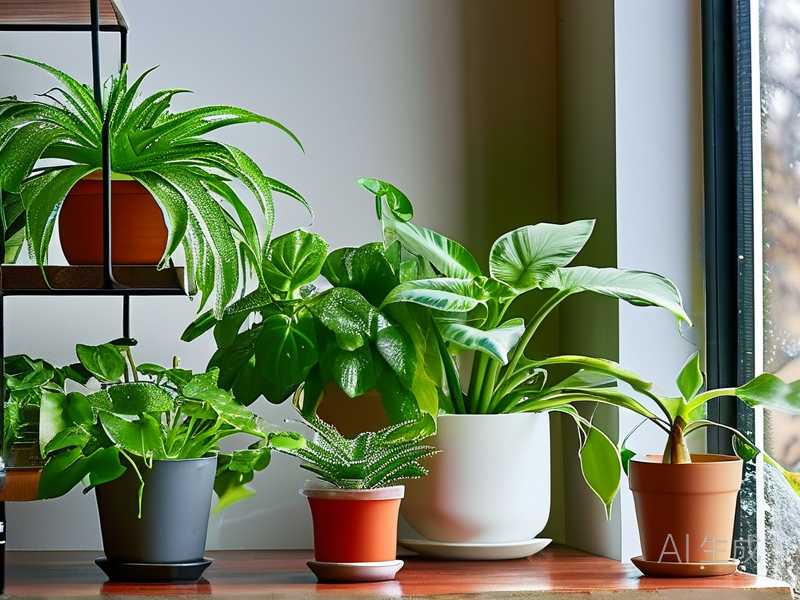
Seeing my spider plant thrive again, free from the nuisance of soil pests, was immensely satisfying. The garlic water treatment, while requiring careful preparation and patience, proved to be a highly effective, natural component of my plant care routine. It addressed the insect repellent need without resorting to synthetic chemicals. By sharing my process—the initial success, the mold mishap, and the final thriving plant—I hope you feel equipped to try this method. Remember, the goal is a balanced ecosystem in your pot. With observation, consistency, and a few cloves of garlic, you can reclaim your spider plant’s potting soil and enjoy its graceful, pest-free beauty.