bluename
 Sticky Leaves on spider plants: My Complete Guide to Cleaning and Controlling Aphid Secretions
If you've ever run your fingers along the leaves of your beloved spider plant and felt that unsettling, tacky residue, you're not alone. I’ve been there, staring at my once-glossy Chlorophytum comosum, now dull and sticky, wondering what went wrong. That sticky substance on spider plants is almost always a sign of aphid secretions, also known as honeydew. Left unchecked, it can attract sooty mold, stunt growth, and seriously compromise your plant's health. Over years of tending to my indoor jungle, I've developed a battle-tested, plant-friendly system to tackle this issue head-on. This guide is the result of my personal experience, detailing the exact steps I took, the two-week observation period, the mistakes I made, and how I finally won the fight against sticky leaves on spider plants.
Understanding the Sticky Culprit: Aphid Honeydew
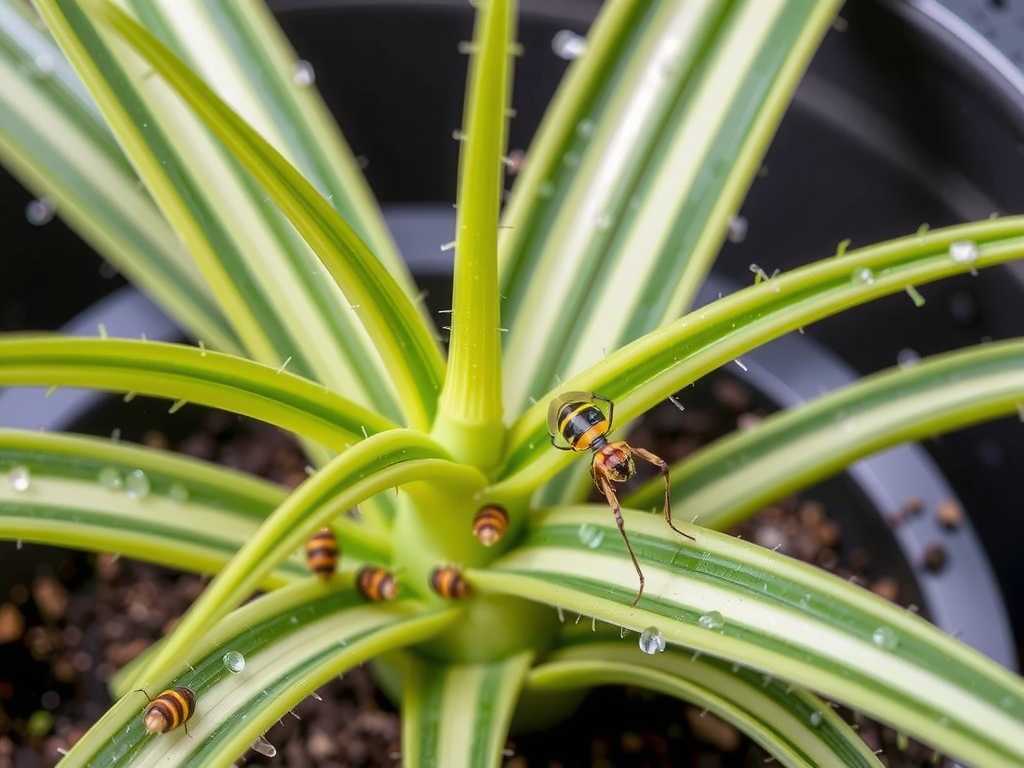
First, let's demystify the problem. That sticky film isn't coming from the plant itself. It's a sugary waste product excreted by sap-sucking insects, primarily aphids. These tiny, pear-shaped pests cluster on the undersides of leaves and along new growth, piercing the plant and feasting on its sap. The aphid secretions they leave behind are more than just a nuisance. According to the Royal Horticultural Society (RHS), honeydew creates the perfect environment for sooty mold, a black, fungal growth that can block sunlight from reaching the leaves, further weakening the plant. My initial mistake was just wiping the leaves clean without addressing the invisible pest colony causing it. The stickiness always came back within days.
My Step-by-Step Rescue Mission for a Sticky Spider Plant
Here is the exact sequence I followed when I discovered my favorite variegated spider plant was under siege. This process focuses on both cleaning spider plant leaves and implementing long-term control of aphid secretions.
Week 1: The Initial Assessment and Cleanse
Day 1: Isolation and Inspection My immediate action was to quarantine the plant. Aphids spread quickly. I moved it away from all other houseplants to a bathroom sink for treatment. Under bright light, I confirmed my suspicion: small green aphids were clustered at the base of several leaves and along the flower stalks (where spider plant babies form). The stickiness was worst there.
Day 1: The First Deep Clean I started with a physical removal. Using a steady stream of lukewarm water from the shower head, I gently sprayed the entire plant, focusing on the leaf undersides to dislodge as many aphids as possible. I let the plant drip dry.
For the sticky residue, I mixed my first cleaning solution. I opted for a mild, soapy water blend:
- 1 quart of lukewarm water
- 1 teaspoon of pure castile soap (insecticidal soap is ideal, but mild liquid soap works)
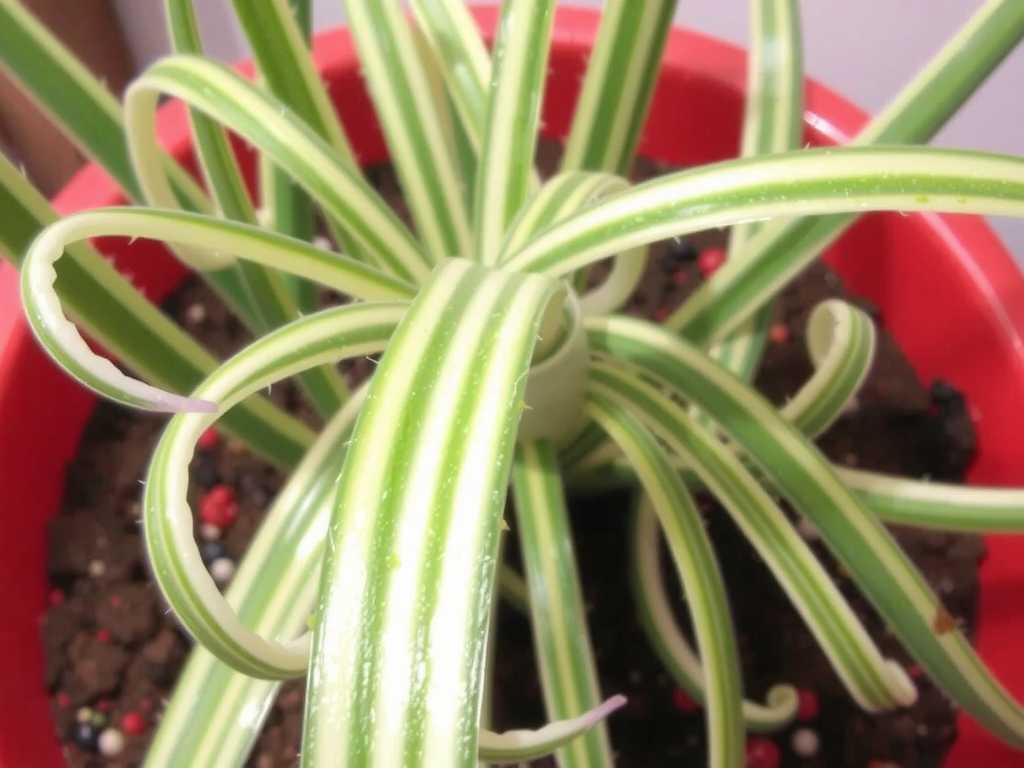
I dipped a soft, microfiber cloth into the solution, wrung it out well, and meticulously wiped every single leaf, top and bottom. I paid special attention to the central growth point (the crown). I then gently rinsed the leaves with clean water to remove any soap film. This initial cleaning of sticky residue was satisfying but I knew it was just step one.
Day 2: Introducing the Treatment Knowing that water and soap might not kill all eggs, I applied an organic insecticidal soap spray, following the label instructions precisely. I thoroughly coated all plant surfaces until the solution dripped off, ensuring it reached the pests' hiding spots. I placed the plant in a spot with bright, indirect light to recover.
Day 3-7: Monitoring and Repeat I checked the plant daily. A few surviving aphids reappeared on Day 4. Instead of a full soap spray, I used a cotton swab dipped in 70% isopropyl alcohol to dab each visible aphid—a precise method recommended by many plant pathology guides. I repeated the mild leaf wipe-down with plain water on Day 6 to remove any new honeydew.
Week 2: Observation, Adjustment, and Prevention
Day 8-14: The Vigilance Phase By the second week, I saw no new live aphids. The stickiness did not return. New growth emerged clean and unsticky. This was my key indicator of success. However, I encountered my second big "pitfall": over-cleaning. In my zeal, I had wiped the leaves too aggressively earlier in the week, causing minor abrasions on two older leaves. I learned that gentleness is crucial.
To prevent reinfestation, I implemented two changes:
- Environmental Control: I ensured the plant wasn't stressed by overwatering or too-strong direct sun, as stressed plants attract pests. I checked soil moisture with my finger before watering.
- Preventive Checks: I made a habit of inspecting the undersides of leaves during my weekly watering routine, catching any potential problem early.
The Pitfalls I Encountered and How to Avoid Them
My journey wasn't perfectly smooth. Here’s where I stumbled so you don't have to:
- Pitfall 1: Treating the Symptom, Not the Cause. Merely wiping the sticky leaves provided only a temporary fix. The aphid population rebounded in days. Solution: Always pair cleaning with a proven pest control method, like insecticidal soap or neem oil, applied to the entire plant.
- Pitfall 2: Using Harsh Chemicals or Cleaners. I initially considered using dish detergent or a vinegar solution. Research from sources like the American Horticultural Society (AHA) warns that harsh detergents can strip the plant's natural protective cuticle, making it more vulnerable. Solution: Stick to mild, plant-safe soaps like castile or commercial insecticidal soaps formulated for this purpose.
- Pitfall 3: Neglecting Isolation. Early on, I treated one plant but left it in a cluster. Pests quickly migrated to its neighbors. Solution: Isolate the affected plant immediately upon discovery.
- Pitfall 4: Impatience. I expected the problem to be solved in one treatment. Pest control requires consistency over a lifecycle (about 2 weeks). Solution: Commit to a minimum two-week treatment and observation plan.
Maintaining a Sticky-Free Spider Plant
Consistency is key. Now, my spider plant care includes proactive measures to prevent sticky leaves. I ensure good air circulation, avoid over-fertilizing (which promotes tender, aphid-attracting growth), and regularly inspect new shoots and baby plantlets (spiderettes), which are particularly susceptible. A monthly wipe-down of leaves with plain water keeps them dust-free and allows me to spot any issues early.
How often should I clean my spider plant's leaves to prevent pests? A light wipe with a damp cloth every 3-4 weeks is sufficient for general dusting and inspection. Intensive cleaning is only needed if you detect pests or honeydew.
Can I use neem oil for aphids on spider plants? Absolutely. Neem oil is an effective organic option. Mix according to instructions and spray in the evening (to avoid leaf sunburn). Test on a single leaf first, as some plants can be sensitive. It both kills pests and disrupts their life cycle.
The sticky stuff is gone, but there's black soot on the leaves. What now? That's sooty mold. The good news is it grows on the honeydew, not the plant itself. Once the aphid secretions are controlled and cleaned, you can gently wipe the sooty mold away with a damp cloth. It will not return if the honeydew is gone.
Winning the battle against sticky leaves is entirely possible. It requires a methodical approach that combines immediate physical cleaning with targeted pest control and ongoing preventive care. By understanding that the stickiness is a symptom of aphids, not the disease itself, you can take effective action. My spider plant is now thriving, its leaves strong, clean, and producing an abundance of healthy babies. With patience and the right steps, yours can too.