bluename
 spider plant Runner Lodging: Selection and Fixing Methods of Support Frames
There's a special kind of heartbreak for a plant lover when you see your once-proud spider plant's runners beginning to droop and sag. The vibrant green arch, heavy with promising spiderettes, slowly bends until the babies are trailing on the floor or the stems look strained and weak. This issue, known as spider plant runner lodging, is incredibly common, yet finding clear, practical advice on how to properly support them can be surprisingly difficult. For years, I tried makeshift solutions—bits of string, leaning them against other pots, even using chopsticks—with disappointing, often temporary results. The runners would either slip out, the support would topple over, or worse, it would constrict the delicate stems. I knew there had to be a better way to select and install a dedicated support frame that was both effective and aesthetically pleasing. After extensive trial, error, and two weeks of meticulous observation, I've finally cracked the code on fixing this pervasive problem.
Understanding Why Your Spider Plant Runners Need Support
Before diving into solutions, it's crucial to understand the "why." Spider plants (Chlorophytum comosum) are naturally epiphytic, meaning in their native habitat, they often grow on other surfaces. Their runners, or stolons, are designed to seek out new places to root. In our homes, with limited horizontal space and uniform light from a window or lamp, these runners simply grow outwards until gravity wins. According to insights from the Royal Horticultural Society (RHS), while lodging doesn't immediately kill the plant, it stresses it. The bent stem can hinder the flow of water and nutrients to the plantlets, and leaves touching soil or constant surfaces can become damaged or diseased. My own experience confirmed this; lodged runners seemed to produce smaller, slower-growing spiderettes.
My Criteria for the Perfect Support Frame
My quest began with defining what I needed. The ideal spider plant support structure had to meet several criteria: it must be sturdy yet lightweight, adjustable to different runner lengths, non-damaging to the stems, and ideally, look intentional rather than like an afterthought. I ruled out rigid, single-stake options immediately—they work for vertical plants but not for these horizontal explorers. I needed something that could create a graceful arch or provide a gentle lift.
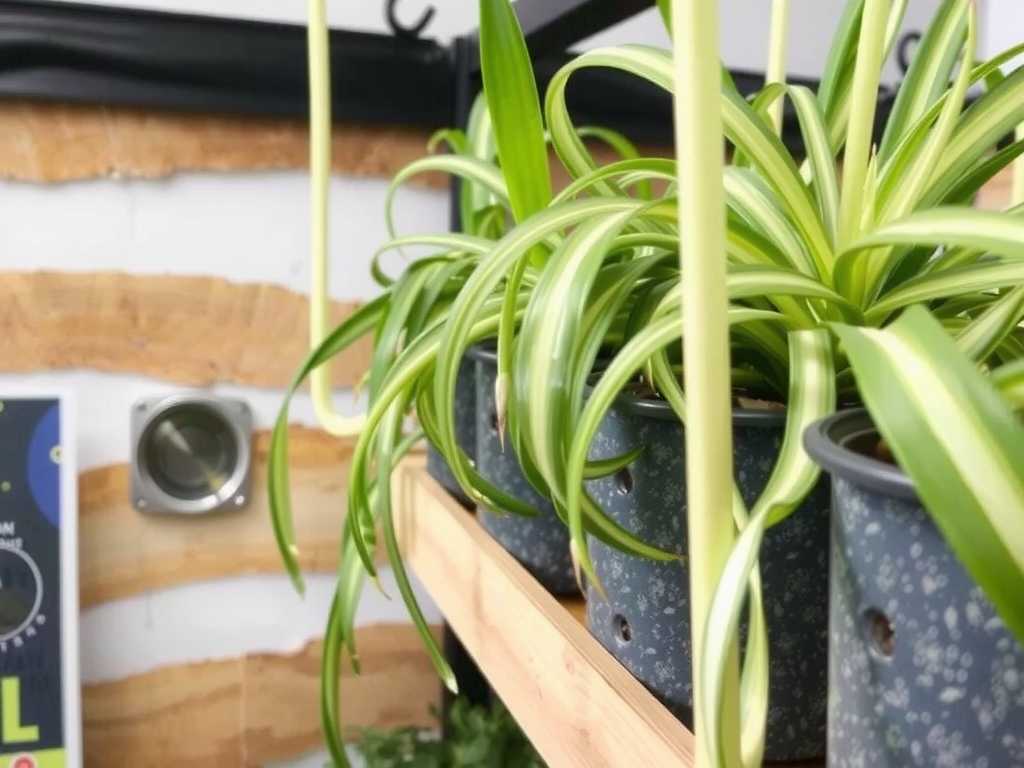
After researching and browsing countless garden centers, I identified three primary types of frames suitable for addressing chlorophytum stolon support:
- Obelisk or Trellis Arches: Small, decorative metal or wooden arches that can be placed in the pot, allowing runners to be trained over them.
- Adjustable Link-Stake Systems: Modular systems where curved stakes link together to form custom shapes.
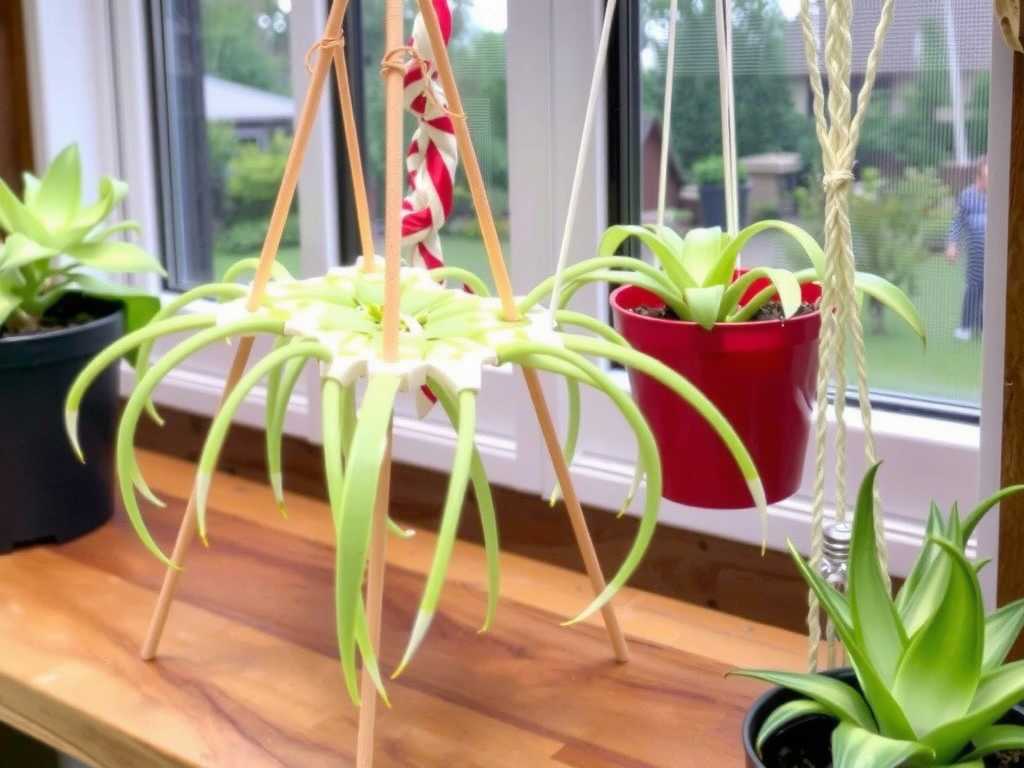
- Bamboo Hoop Frames: Simple, DIY-friendly frames made by bending bamboo canes into arcs and securing them in the soil.
For my test, I chose a medium-sized, powder-coated metal obelisk (for its durability and clean look) and decided to craft a bamboo hoop frame myself for comparison. The American Horticultural Society (AHA) emphasizes using non-toxic, weather-resistant materials for indoor plant supports, which guided my selection away from treated woods or metals that might corrode.
Step-by-Step: How I Installed My Support Frames
Week 1: Installation and Initial Training
I started with two spider plants of similar size and runner length. For Plant A, I used the metal obelisk. For Plant B, I created a bamboo hoop.
Plant A - The Metal Obelisk:
- I gently inserted the four legs of the obelisk deep into the potting mix, close to the pot's edge where the mother plant was centered. I pushed until it felt stable and wouldn't wobble.
- Taking the longest, most lodged runner, I loosely coiled it around the structure's arms. Here was my first major "gotcha": I initially wrapped it too tightly. The runner felt restricted, and a few leaves snapped. I immediately unwound it.
- The solution was to use soft, green plant ties (velcro tape). I created loose loops, attaching the runner to the frame at only 2-3 key points along its length, ensuring no part was pinched. The goal was guidance, not constriction.
Plant B - The Bamboo Hoop:
- I took three flexible bamboo canes, soaked them in warm water for 30 minutes to prevent splitting, and carefully bent them into arcs.
- I pushed the ends into the soil on opposite sides of the pot, creating a series of parallel arches over the plant.
- Using jute twine, I gently wove the runners along the underside of the hoops. The second pitfall: Jute, when wet, can shrink and tighten. After the first watering, I noticed it was digging into one stem.
- I replaced all the jute with the same velcro ties used on Plant A. This was a universal fix—soft, adjustable, and non-abrasive.
The 2-Week Observation: What Actually Happened
The real test began after setup. I monitored both plants daily, noting the runners' position, the plantlets' health, and any signs of stress.
Days 1-3: Both plants showed slight "shock." Some runner tips curved slightly upwards, seemingly reorienting themselves. The lodged sections were now elevated, with plantlets hanging freely in the air.
Days 4-7: New growth became the most telling indicator. On both supported plants, I noticed new spiderettes forming along the runners seemed plumper and greener compared to an unsupported control plant. The runners themselves stopped sagging further. The bamboo hoop frame proved slightly more adaptable for very long, multiple runners, as I could easily add another cane.
Days 8-14: The supports had become a natural part of the plant's architecture. The runners began to grow along the frames. On the metal obelisk, a runner started weaving itself through the decorative curls without additional ties. The plant was using the support as intended! There was no further stem bending, and the older, once-lodged sections seemed to strengthen at the bend point. Water and nutrient flow appeared improved; the mother plant even pushed out a new, sturdy runner during the second week.
Troubleshooting Common Support Frame Issues
My journey wasn't without hiccups. Here are the problems I faced and how I solved them:
-
Problem: Frame Toppling Over. This happened with my first, shallower obelisk attempt. The pot was too shallow, and the frame was top-heavy.
- Solution: I repotted the plant into a slightly deeper, wider ceramic pot that provided more weight and soil depth for anchoring. For immediate fixes, you can use decorative stones or pebbles around the base of the frame legs to add stability.
-
Problem: Damaging Ties or Runners. As mentioned, my initial use of tight ties and rough jute was a mistake.
- Solution: Soft plant ties are non-negotiable. Velcro tape or even strips of old nylon tights are perfect. Always check ties every week or two and loosen them as the runner thickens.
-
Problem: Unsightly Appearance. I disliked the look of obvious, brightly-colored twist ties.
- Solution: I switched to green velcro ties or dark brown jute (used very loosely and monitored). Choosing a frame that complements your pot's style—a rustic bamboo hoop for a terracotta pot, a sleek black metal for a modern planter—makes the support look like a design feature.
-
Problem: Supporting Multiple, Overlapping Runners. A happy, mature spider plant can have a tangled web of stolons.
- Solution: Don't try to force them all onto one frame. For Plant B, I used multiple bamboo hoops in a fan shape. Sometimes, using two smaller obelisks on either side of the pot is more effective than one large one in the center. The key is providing enough "real estate" for each runner to have its own space.
Frequently Asked Questions
Can I just cut off the lodged runners instead? You absolutely can. Pruning is a valid way to manage a spider plant and encourage bushier growth from the mother plant. However, if your goal is to propagate the spiderettes or preserve the natural trailing habit, then providing support is the better option. I prefer support because it allows the plant to complete its reproductive cycle.
What is the best material for a DIY spider plant stake? For flexibility and ease, nothing beats pre-soaked bamboo canes. They are strong, natural, and easy to shape into hoops or arches. For a more permanent solution, I've successfully used coated metal wire (like the kind from a wire wreath frame) bent into shape and the ends pushed into the soil. Always ensure any metal used is coated to prevent rust.
How do I know if my support is too tight or causing damage? Inspect the attachment points weekly. Signs of damage include indentation or discoloration on the runner stem, leaves yellowing or dying back from a specific tied point, or the runner growth halting just past the tie. The stem should always have room to expand and move slightly. If in doubt, loosen the tie.
Seeing your spider plant's runners elegantly displayed rather than slumped on the shelf is deeply satisfying. It's a sign of a healthy, well-cared-for plant. The process of selecting and fixing the right support frame—whether a store-bought obelisk or a simple handmade hoop—requires a bit of observation and gentle adjustment. Remember, the goal is to work with the plant's nature, not against it. By providing the right physical support, you're not just preventing lodging; you're creating the conditions for your spider plant to thrive and show off its beautiful, characteristic cascading form. Those two weeks of close attention transformed my approach from guesswork to a confident, routine part of my plant care, and it can do the same for you.