bluename
 Salinization of spider plant Soil: Acidification Treatment Method with White Vinegar Diluted in Water
If you’ve noticed your spider plant’s leaves turning brown at the tips, looking limp despite regular watering, or the soil surface developing a strange white crust, you’re likely dealing with a common but frustrating issue: the salinization of spider plant soil. I’ve been there, staring at my once-lush Chlorophytum comosum, wondering where I went wrong. After years of nurturing these resilient plants, I learned that the very tap water I was using to show them love was slowly poisoning their environment with salts and minerals, leading to alkaline, compacted soil that locks away essential nutrients. The solution I turned to, and want to share with you, is a gentle, natural acidification treatment using white vinegar diluted in water. This method directly tackles soil salinity and pH imbalance, helping to restore your plant’s vibrant health.
Understanding the Enemy: What is Soil Salinization?
Before we dive into the vinegar fix, let’s understand the problem. Salinization isn’t about table salt; it’s the buildup of soluble salts—like calcium, magnesium, and sodium—from fertilizers and, most commonly, hard tap water. As water evaporates, these salts remain, accumulating over time. The Royal Horticultural Society (RHS) notes that this buildup can raise soil pH, making it more alkaline. Spider plants, which prefer a slightly acidic to neutral pH (around 6.0 to 7.2), struggle in alkaline conditions. Their roots cannot efficiently absorb key nutrients like iron and manganese, leading to chlorosis (yellowing leaves) and the classic brown leaf tips. That white or yellowish crust on the soil? That’s the visible signature of salt accumulation.
Why White Vinegar? The Science Behind the Solution
White vinegar, a mild acetic acid solution (typically 5% acidity), is an effective, accessible tool for countering mild salinization. When properly diluted, it performs two critical functions. First, it helps dissolve and flush out excess mineral salts from the soil. Second, it temporarily lowers the soil pH, creating a more favorable acidic environment for nutrient uptake. The American Horticultural Society (AHS) emphasizes the importance of pH management for container plants, as their confined root systems are especially vulnerable to chemical imbalances. It’s a gentle reset, not a permanent alteration, and when done correctly, it mimics the kind of slight acidity spider plants would experience in their natural growing conditions.
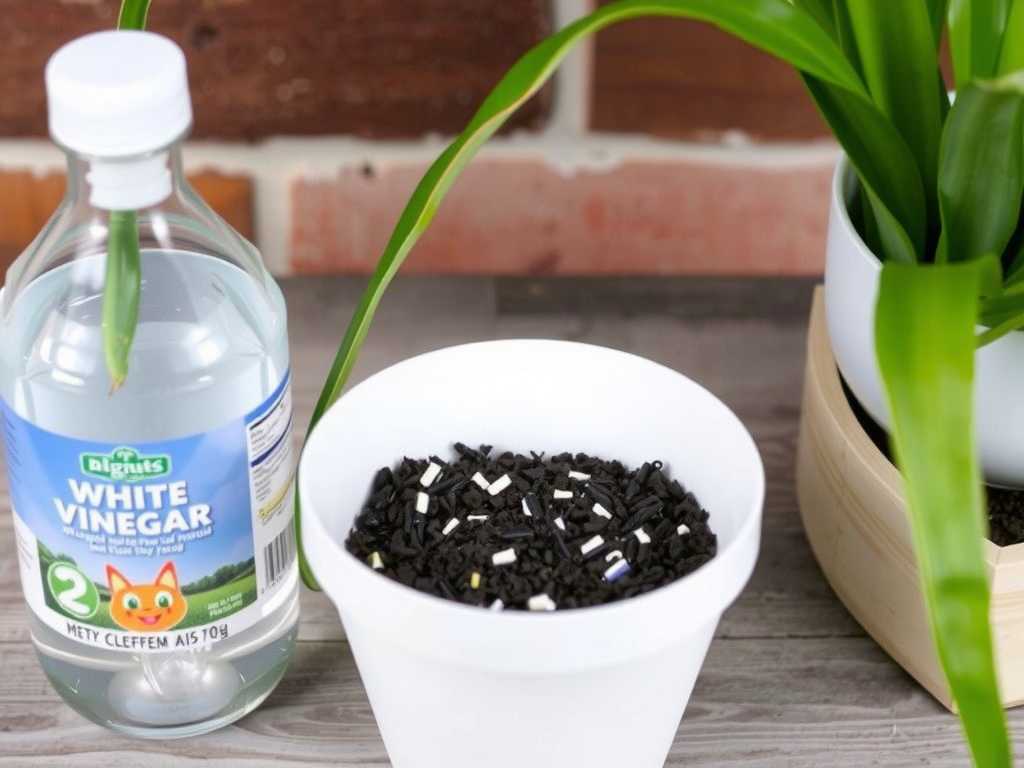
Important Note: This method is for remedying soil affected by hard water and mild salt buildup. It is not a substitute for repotting in severely compacted or heavily salinized soil.
My Step-by-Step Guide to the White Vinegar Treatment
Here is the exact process I followed, born from both research and trial and error.
Week 1: The Initial Flush and Treatment
Day 1: Assessment and Preparation I gathered my supplies: distilled water (or rainwater, if available), white vinegar, a watering can, a deep saucer or basin, and a moisture meter. I checked my plant’s soil—it was dry to the touch about an inch down. The white crust was clearly visible. I moved the plant to my sink, where it could drain freely.
Day 1: The Flushing Water Mix I created the flushing solution. The safe and effective dilution I use is 1 tablespoon of white vinegar per 1 gallon of water. This creates a mildly acidic solution. I never use it full-strength, as this could harm the roots and beneficial soil microbes. I mixed it thoroughly in my watering can.
Day 1: The Deep Flush I slowly poured the diluted vinegar water onto the soil, ensuring I saturated the entire root ball. I continued pouring until water ran freely out of the drainage holes for a full minute. This process, known as leaching, helps dissolve salts and carry them out of the pot. I let the plant drain completely in the sink for an hour before returning it to its decorative pot and saucer.
Day 3: Observation and a Plain Watering The soil had dried appropriately. I noticed no immediate negative reaction from the plant—no wilting or increased browning. To prevent over-acidification and continue the flushing process, I gave it a thorough watering with plain distilled water, again allowing for complete drainage.
Week 2: Monitoring and Adjustment
Day 7: Second Treatment After a week, I repeated the vinegar water flush with the same 1-tablespoon-per-gallon dilution. The soil surface already looked less crusty.
Days 8-14: Careful Observation This was the crucial period. I placed the plant in bright, indirect light and resisted the urge to overwater. I stuck to my normal watering schedule, using only distilled water between treatments. I monitored for two key things: new growth and the condition of existing leaves.
The 2-Week Observation: What Happened to My Spider Plant?
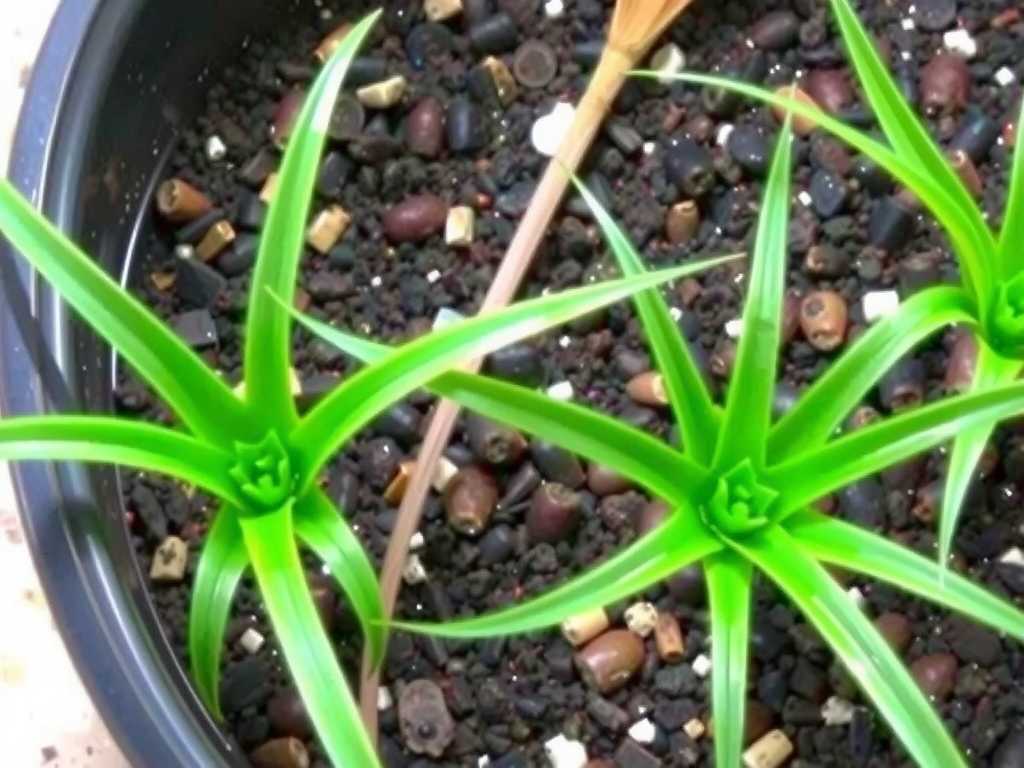
The changes were subtle but definitive. By the end of the first week, the progression of brown tips on older leaves had halted. By day 10, I spotted a new, healthy spear of growth emerging from the center of the plant—a sure sign of renewed vigor. The most satisfying visual cue came by day 14: the hard white crust on the soil surface had almost completely dissolved and disappeared. The soil itself looked darker and less compacted. The plant’s overall posture improved; the leaves seemed firmer and held themselves higher. It wasn’t an overnight miracle, but a steady recovery. The acidification treatment with diluted white vinegar had successfully reset the soil environment.
The Pitfalls I Encountered (And How to Avoid Them)
My journey wasn’t perfectly smooth. Here are the mistakes I made so you can skip them.
Pitfall 1: The "More is Better" Fallacy. In my initial eagerness, I once used a stronger vinegar solution, thinking it would work faster. This was a mistake. The leaves developed sudden yellow spots—a sign of acid burn on the roots. Solution: Always stick to the weak dilution. 1 tablespoon per gallon is the maximum for a treatment flush. When in doubt, dilute further.
Pitfall 2: Ignoring the Drainage. I performed the first flush while the plant was sitting in its sealed decorative pot. The vinegar-salty water had nowhere to go, essentially creating a toxic bath. Solution: Always ensure free drainage during flushing. Use a sink, a basin, or take the plant outside. Let it drain fully before returning it to any outer pot.
Pitfall 3: Overwatering in Panic. After the treatment, I anxiously watered the plant again too soon, fearing the vinegar had dried it out. This can lead to root rot. Solution: Trust the process. Let the soil dry out to the usual depth (about 1-2 inches for spider plants) between waterings. Use a moisture meter or your finger to check.
Pitfall 4: Expecting a Leaf Tip Cure. The brown tips already present on the leaves will never turn green again. I initially thought the treatment was failing because the brown tips remained. Solution: Understand that the treatment prevents new damage. You can snip off the brown tips with clean scissors for aesthetics, but their presence is a history lesson, not a sign of current failure.
Maintaining a Healthy Balance Post-Treatment
This treatment is a corrective measure, not a regular fertilizer. To prevent future salinization:
- Switch Your Water: Use distilled water, rainwater, or filtered water for all future waterings. This is the single most effective preventative step.
- Flush Regularly: Every 3-4 months, give your spider plant a thorough watering with plain distilled water until it runs freely from the drainage holes, even without vinegar. This periodic leaching prevents salt buildup.
- Fertilize Wisely: Use a balanced, water-soluble fertilizer at half-strength, and only during the active growing season (spring and summer). Avoid over-fertilizing.
Common Questions from Fellow Plant Lovers
Can I use apple cider vinegar instead of white vinegar? I don’t recommend it. Apple cider vinegar is less acidic and contains sugars and other organic compounds that can promote fungal growth in the soil. Stick with plain, distilled white vinegar for purity and predictable results.
How often should I perform this vinegar treatment? Only as an occasional remedy for visible salt buildup (the white crust) or symptoms like slowed growth and persistent brown tips despite good care. For most indoor gardeners, once or twice a year is sufficient if using tap water. If you switch to distilled water, you may never need it again.
My spider plant has pups (baby plantlets). Is this treatment safe for them? If the pups are still attached to the mother plant, the treatment will affect them as well. It is generally safe. However, if you are propagating by potting a pup separately, wait until the new plant is established in its own pot with fresh soil for a few months before considering any soil treatment. Their young root systems are more sensitive.
Watching a spider plant struggle with salty, alkaline soil is disheartening, but it’s a problem with a remarkably simple and natural solution. The white vinegar dilution method is a testament to working with a plant’s needs, using careful observation and patience to guide its recovery. By addressing the root cause—the soil environment—you give your resilient spider plant the foundation it needs to thrive, pushing out vibrant new growth and healthy pups for years to come. Remember, the goal is a stable, healthy root zone, and sometimes, a little acidic nudge is all it takes to restore the balance.