bluename
 How I Saved My spider plant from Rotting Stems: A Step-by-Step Guide to Cutting and Disinfection
There’s nothing quite as disheartening for a plant lover as noticing your once-vibrant spider plant developing soft, mushy stems. I remember the sinking feeling when I touched the base of my favorite ‘Vittatum’ and felt that tell-tale squish. It wasn't just one stem; several were turning yellow and limp, a clear sign of trouble. This issue, often stemming from overwatering or poor drainage, can quickly spiral if not addressed. In this guide, I’ll walk you through my exact process for dealing with soft stems on spider plants, focusing on the critical steps of cutting and disinfection of rotten parts. I documented the entire recovery over two weeks, learning from mistakes and finding solutions that truly work.
Understanding Why Spider Plant Stems Go Soft
Before grabbing the scissors, it's crucial to understand the enemy. Soft, rotting stems are almost always a symptom of excess moisture around the roots and crown. The American Horticultural Society (AHS) notes that spider plants (Chlorophytum comosum) are susceptible to root and stem rot, primarily caused by fungi like Pythium or Rhizoctonia that thrive in waterlogged soil. This isn't just about overwatering once; it can be a combination of factors like a pot without drainage holes, overly dense soil, or low light conditions slowing down water uptake.
In my case, I realized my error was twofold: I had been too enthusiastic with my watering can during a cool week, and the decorative ceramic pot I’d used had a single, unfortunately clogged, drainage hole. The plant was essentially sitting in a soggy bath.
Essential Tools for the Rescue Operation
You don't need a surgical suite, but clean, sharp tools are non-negotiable. Here’s what I gathered:
- Sharp, Sterile Scissors or Pruning Shears: I used a pair of precision bonsai scissors, but any sharp blade will do. Sterilize with rubbing alcohol or a flame.
- Rubbing Alcohol (70% Isopropyl) and Clean Cloths: For disinfecting tools before each cut and cleaning the healthy plant afterward.
- Fresh, Well-Draining Potting Mix: I opted for a standard mix amended with extra perlite (about 30%).
- A Pot with Ample Drainage Holes: This time, I chose a simple terracotta pot, which naturally wicks away moisture.
- Cinnamon Powder or Hydrogen Peroxide (3%): Natural fungicide options for treating cut surfaces.
- A Warm, Bright, Indirect Light Spot: For the recovery period.
My Step-by-Step Process: Cutting and Disinfecting the Rotten Parts
Step 1: The Initial Assessment and Unpotting
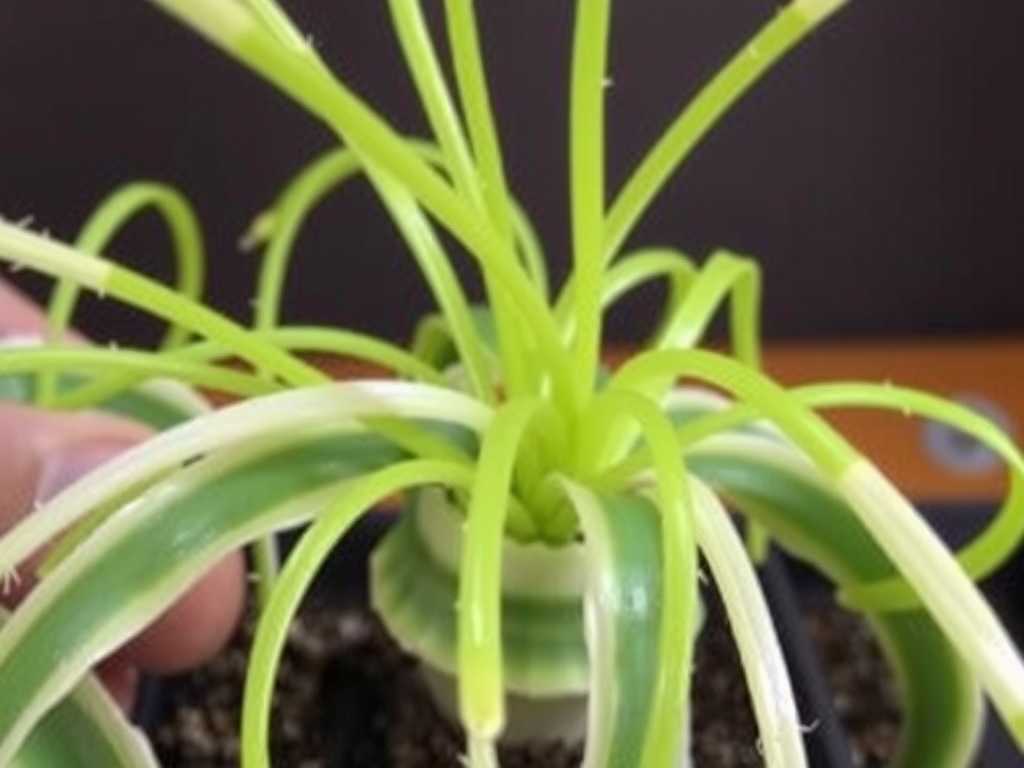
I gently removed the entire plant from its pot. The soil was cold and clumpy. I carefully teased away the wet soil from the root mass under a soft stream of lukewarm water to get a clear view. The damage was clearer now: several stems where they met the crown (the central white base) were brown and soft, and a few roots were dark and slimy—the classic signs of rot.
Step 2: The Precise Removal of Rotten Tissue
This is the most critical step. Using my alcohol-wiped scissors, I began the surgical removal of affected spider plant stems. The rule is simple: cut until you see only healthy, firm, white or green tissue. For the stems, I traced the softness back to the crown and made clean cuts where the stem was still firm. Any mushy, brown roots were snipped off completely. It felt drastic—I removed about 40% of the foliage and a significant portion of the root ball. The Royal Horticultural Society (RHS) advises cutting back to healthy growth to prevent the spread of pathogens, and I adhered to that strictly.
Step 3: Disinfection and Treatment
After all the rotten material was gone, I couldn’t just leave the fresh wounds exposed. I had two options for disinfecting spider plant cuttings. I chose the cinnamon method for the crown and larger stem cuts, dusting the wounds lightly with the powder—a known natural antifungal. For the root system, I gave it a gentle 2-minute soak in a solution of one part 3% hydrogen peroxide to four parts water. This oxygenates and disinfects without being as harsh as pure chemicals. I then let the entire plant air-dry on a clean paper towel for about an hour. This callusing period is vital; planting a wet cut into new soil invites the rot right back.
Step 4: Repotting for a Fresh Start
I placed a layer of fresh, airy potting mix in the new terracotta pot. I positioned the spider plant’s crown at the same soil level as before, spread the remaining healthy roots, and filled in with more mix, tapping the pot to settle it without compacting. I did not water it immediately. This was a key learning point from past failures.
The Critical Two-Week Recovery: What I Observed
- Days 1-3: The plant looked understandably sad and sparse. I placed it in a spot with bright, indirect light and resisted all urges to water. The soil was bone dry.
- Day 4: I performed the first, very cautious watering. I used the bottom-watering method, placing the pot in a shallow tray of water for 15 minutes, allowing the soil to draw up moisture only as needed. This prevents the crown from getting wet.
- Week 1: By the end of the first week, the most encouraging sign: no further yellowing or softening. The remaining leaves held their firmness. A slight perkiness was detectable.
- Week 2: This was the turning point. I noticed the very beginnings of new growth—a tiny, bright green nub emerging from the center of the crown. This was the ultimate sign of success. The plant was redirecting energy to new, healthy growth rather than fighting decay.
The Pitfalls I Encountered and How I Fixed Them
The Pitfall of Impatience (The First Mistake): On my first attempt ever with a different plant, I watered immediately after repotting. The result was a swift return of rot. The solution is delayed watering. Allowing those cuts to callus and letting the plant signal its need for water is crucial.
The "Just a Little Soft" Trap: Early on, I made the error of only cutting away the obviously mushy part of a stem, leaving a slightly softened section near the crown. Within days, the rot had progressed. The fix is cutting back to completely firm tissue, even if it means removing more of the plant. It’s a hard but necessary choice.
Ignoring the Root of the Problem: Simply cutting off bad stems isn't enough. If the root system is compromised, the plant will continue to decline. My solution now is a complete root inspection during every rescue, ensuring I address both aerial and subterranean rot.
Frequently Asked Questions
Can I propagate the healthy parts of the stems I cut off? Yes, absolutely. If you have removed a stem with a healthy, firm spider plant pup (baby) attached, you can propagate it. After disinfecting the cut end, place it in water or moist soil. I successfully propagated two pups from this rescue mission, which are now thriving in their own pots.
How do I prevent soft stems from happening again? Prevention hinges on your watering routine and environment. Water only when the top inch or two of soil is dry. Use pots with drainage and well-aerated soil. Ensure your plant gets adequate indirect light, which helps it use water efficiently. Terracotta pots are a great help for chronic over-waterers like I was.
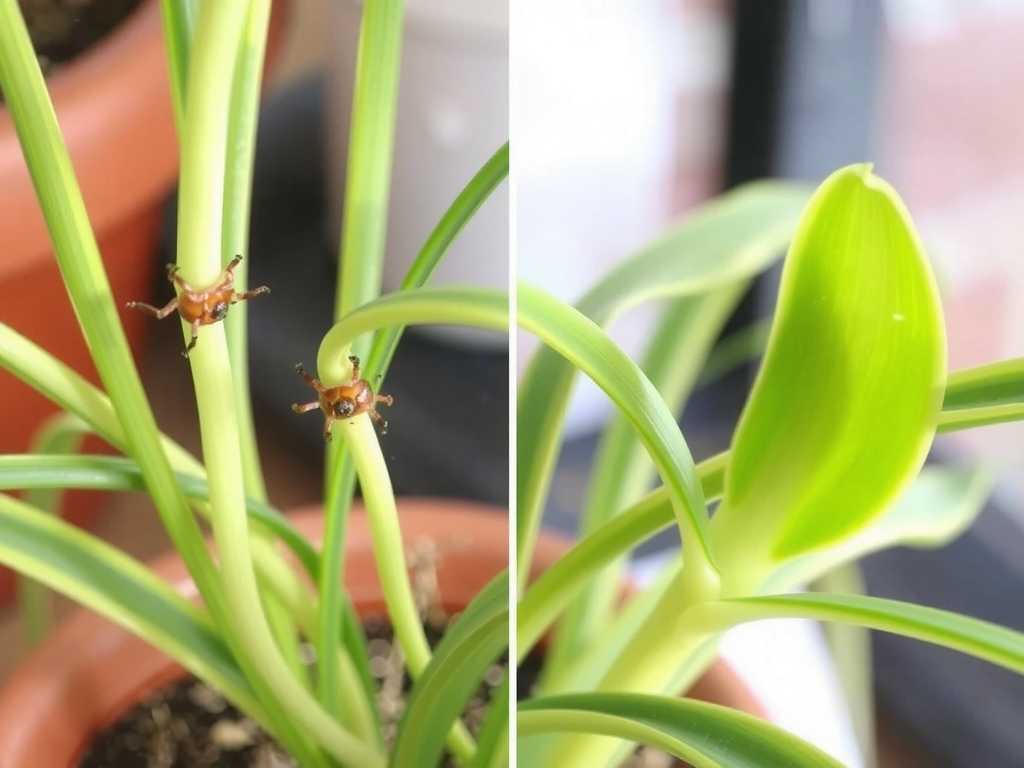
My spider plant’s stems are soft but the soil is dry. What’s wrong? This can happen if the rot has damaged the roots so severely that they can no longer take up water, creating a paradoxical situation where the plant is rotting while appearing dehydrated. It can also signal a fungal issue independent of recent watering. The remedy is the same: unpot, inspect the roots and crown, and remove all affected tissue, as the problem is likely at the base.
Watching my spider plant push out that first new green shoot after two weeks was immensely rewarding. The process of cutting and disinfecting rotten parts from soft stems on spider plants is straightforward but requires a disciplined, almost surgical approach. Success lies in using sterile tools, removing all compromised tissue without sentiment, treating the wounds, and having the patience to let the plant recover on its terms. By creating the right conditions post-operation—primarily well-draining soil and restrained watering—you give your resilient spider plant the best chance to not only survive but to flourish once again.