bluename
 Brown Leaf Tips on spider plants: Humidification Tips with Wet Stones in Tray
If you're like me, you've probably felt that pang of disappointment seeing crisp, brown leaf tips on your otherwise vibrant spider plant. It's a common frustration for indoor gardeners. For years, I battled this issue, trying to balance watering and light, until I understood the real culprit often wasn't neglect, but a simple lack of humidity. That's when I turned to a classic, low-tech solution: using a tray filled with wet pebbles. This method, often called a humidity tray or pebble tray, became my go-to fix. Over two weeks of dedicated observation, I transformed my spider plant's health, and I want to share that hands-on journey with you.
Why Spider Plants Crave Humidity and How Pebble Trays Help
Spider plants (Chlorophytum comosum) originate from the coastal forests of South Africa, where the air is naturally moist. Our heated and air-conditioned homes can drop humidity levels to a desert-like 20-30%, far from their preferred 40-60%. This dry air causes the leaf tips—the farthest point from the roots—to dry out and turn brown, a condition experts call leaf tip burn.
Simply misting provides only fleeting relief. A pebble tray, however, creates a sustained microclimate. As water evaporates from the tray, it gently increases the humidity immediately surrounding the plant. The Royal Horticultural Society (RHS) recommends this method for humidity-loving houseplants, noting it's a safe and effective way to prevent brown leaf tips without overwatering the plant's soil.
My Step-by-Step Guide to the Wet Stone Tray Method
Here is the exact process I followed, using materials I had on hand or easily found.
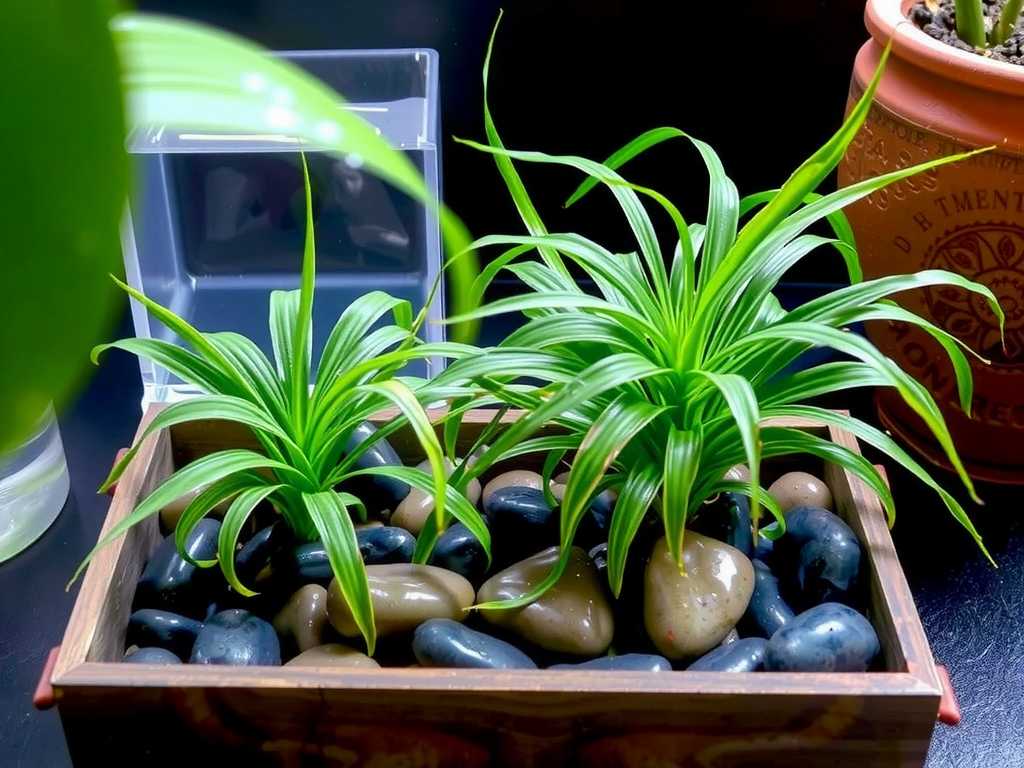
Gathering the Supplies: I needed a shallow tray that was wider than the diameter of my spider plant's pot. I repurposed a plastic drip saucer. For pebbles, I used clean, washed river stones from a garden center. It's crucial to use stones large enough so the plant's pot never sits directly in the water, which would lead to root rot.
The Setup Process: First, I gave the stones a good rinse to remove any dust. I filled the tray with a single layer of pebbles, about an inch deep. Then, I poured water into the tray until it reached just below the top of the pebbles. The key is that the water level should never touch the bottom of the plant pot. I placed my spider plant, still in its nursery pot with drainage holes, squarely on top of the pebbles. The pot was elevated, sitting on the stones, not in the water.
Initial Placement and Expectations: I positioned the setup in its usual spot with bright, indirect light. I didn't expect overnight miracles. The goal was consistent, slow evaporation. I marked my calendar for a two-week observation period, committing to check the water level daily and the plant's condition every few days.
The Two-Week Transformation: What I Observed
Days 1-3: The Adjustment Phase The first few days were about establishing a routine. I checked the tray every morning, adding a bit of water to maintain the level. The plant looked the same—a few brown tips remained, which was expected. The existing damage wouldn't heal, but I was watching for new growth.
Days 4-7: First Signs of Change By the end of the first week, I noticed the soil seemed to stay moderately moist for longer between waterings, a sign the ambient humidity was higher. Most importantly, the newest, unfurling leaf in the center of the plant looked lush and green from base to tip. No new browning had appeared on any emerging growth.
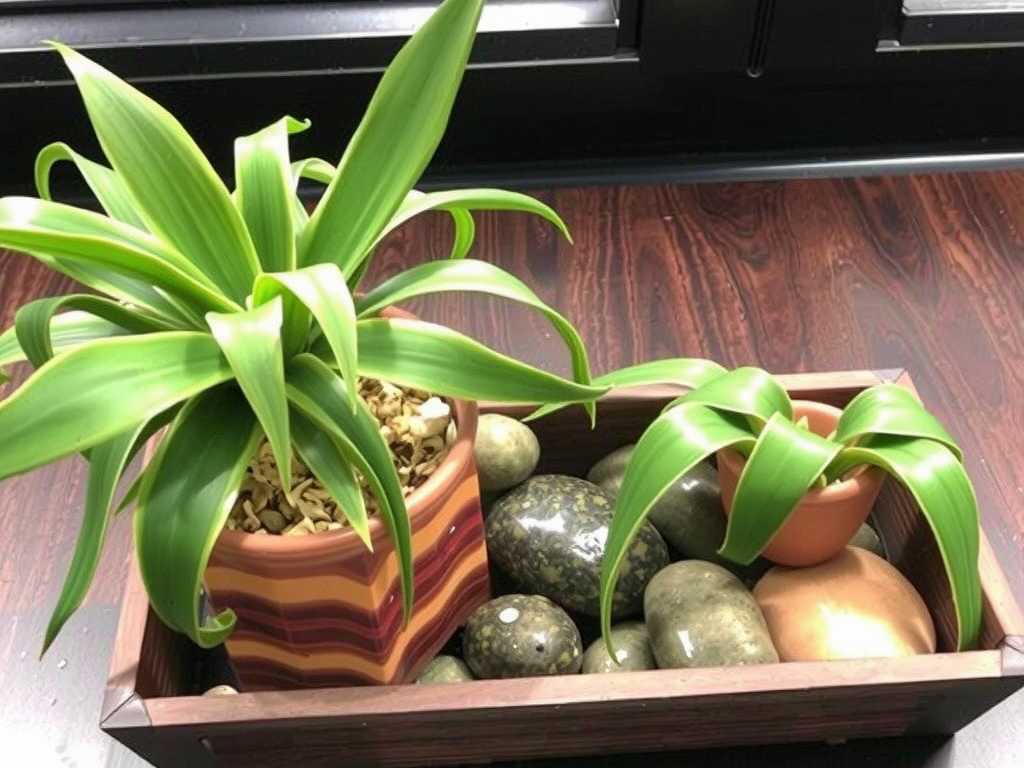
Days 8-14: Visible Progress and Healthier Growth In the second week, the difference became clear. Another new leaf emerged, perfectly green and strong. The older leaves with brown tips still had them (I would later snip these off for aesthetics), but their overall texture seemed less dry and more supple. The plant even produced a small runner, a sign it was happy and not under environmental stress. The microclimate was working.
The Pitfalls I Encountered (And How I Fixed Them)
My experiment wasn't without its hiccacks. Here’s what went wrong and how I corrected course.
Pitfall 1: Algae Growth on the Pebbles Around day 5, I noticed a green film starting on the stones. Stagnant water and light were causing algae to bloom. This isn't harmful to the plant but looks unsightly.
- My Solution: I adopted a simple weekly maintenance routine. Every time I watered the plant itself, I would lift the pot, take the tray to the sink, rinse the stones thoroughly, and refill with fresh water. This prevented stagnation and kept the setup clean.
Pitfall 2: Forgetting to Refill the Water I missed a day, and the tray completely dried out. This sudden drop in humidity defeats the purpose of creating a consistent environment.
- My Solution: I made the tray part of my daily coffee routine. Checking and topping off the water became a quick, habitual task. Setting a phone reminder for the first few days can also help build the habit.
Pitfall 3: Using a Tray That Was Too Small My first tray was only slightly wider than the pot. I realized the humidity benefit was too concentrated. The American Horticultural Society (AHS) suggests the evaporation zone should extend beyond the plant's foliage for best results.
- My Solution: I swapped the tray for one that was 3-4 inches wider than the plant's span on all sides. This immediately seemed to create a more effective humid envelope around the entire spider plant.
Beyond the Tray: Integrated Care for Spider Plant Success
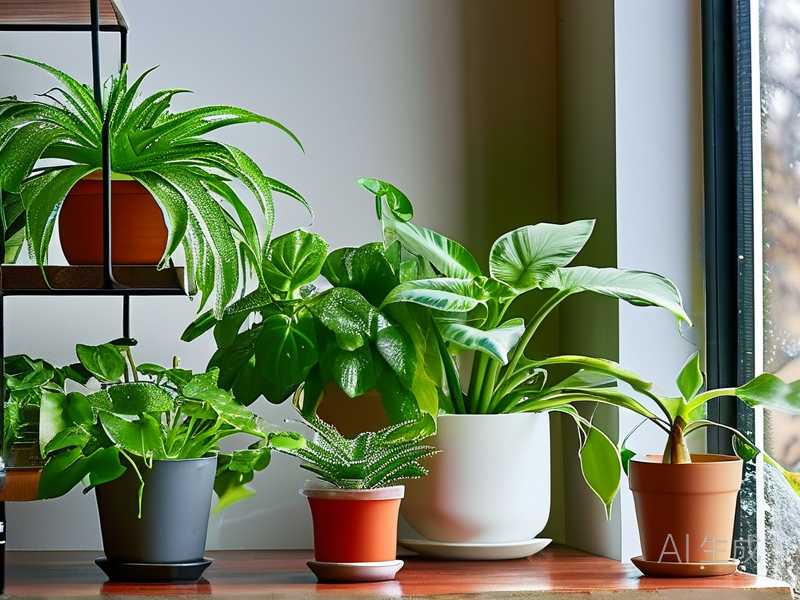
A pebble tray is a fantastic tool, but it works best as part of holistic care. During these two weeks, I also ensured my spider plant received bright, indirect light and I only watered the soil when the top inch felt dry. I also used this opportunity to trim off the old brown leaf tips with clean, sharp scissors, cutting at a slight angle to follow the leaf's natural shape. This instantly gave the plant a tidier, healthier appearance while the tray prevented new damage.
Will a pebble tray alone cure all my spider plant's brown tips? No, it addresses low humidity. You must also rule out other causes like fluoride in tap water (use distilled or rainwater if browning persists), over-fertilization, or improper watering. The tray is a crucial piece of the puzzle, not the entire solution.
How often should I change the water in the pebble tray? To prevent mosquitoes and algae, refresh the water completely at least once a week. Top it off with fresh water as needed in between to maintain the level.
Can I use this method for other houseplants? Absolutely. This humidity-boosting technique is excellent for other tropical plants like peace lilies, ferns, and nerve plants that suffer in dry air. It's a versatile and inexpensive tool for any indoor plant enthusiast.
Seeing those fresh, unblemished green leaves emerge was all the proof I needed. The wet stone tray method is a testament to how a simple, thoughtful adjustment to our plant's environment can yield dramatic results. It requires minimal investment and a small daily habit, but the reward—a thriving, green spider plant free from the distress of brown leaf tips—is utterly worth it. Give it a consistent two-week trial, and you'll likely see your own plant respond with gratitude.