bluename
 First Aid for Rotten Roots of spider plants: Disinfection Steps After Root Pruning
There's a special kind of panic that sets in when you unpot your beloved spider plant, expecting a cascade of healthy white roots, and instead are greeted by a mushy, brown, and frankly smelly mess. I've been there, holding a once-lush plant now suffering from severe root rot. The immediate question isn't just "how do I fix this?" but "how do I ensure the rot doesn't come back after I cut it away?" Through trial, error, and a lot of rescued plants, I've perfected a first aid for rotten roots of spider plants that hinges on one critical phase: the disinfection process after pruning. This isn't just about cutting away the bad parts; it's about creating a sterile foundation for new growth. Let me walk you through the exact steps I use, the two-week recovery timeline I monitor, and the crucial mistakes to avoid for a successful revival.
Why Disinfection is Non-Negotiable After Root Pruning
Simply pruning away rotten roots isn't enough. The bacteria and fungi that cause root rot can linger on the remaining healthy tissue or in tiny wounds left from cutting. Repotting without disinfecting is like performing surgery and then closing the wound with dirty tools—it invites immediate reinfection. The Royal Horticultural Society (RHS) emphasizes the importance of using clean tools and pots to prevent disease spread, a principle that extends directly to treating the plant wound itself. My goal with disinfection steps after root pruning is to eliminate these pathogens, giving the spider plant's remaining healthy root system a fighting chance.
My Step-by-Step Rescue Protocol: Pruning and Disinfecting
Here is the exact process I follow whenever I diagnose root rot in my spider plants.
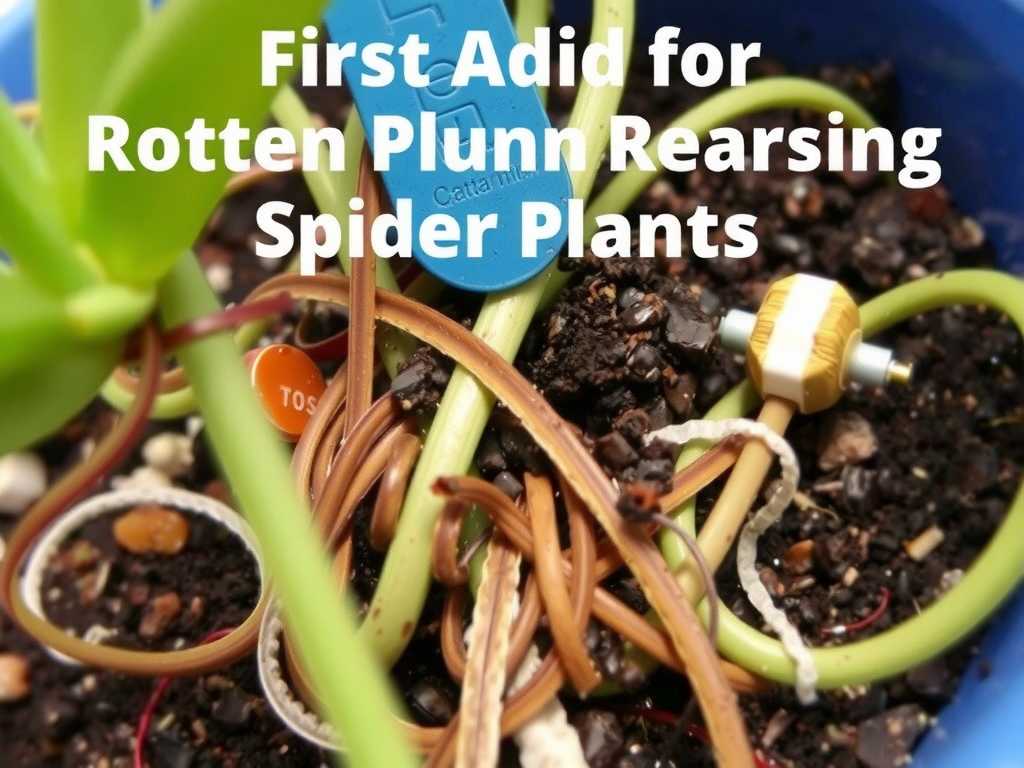
Step 1: The Unpotting and Initial Assessment Gently remove the plant from its pot. I carefully shake and rinse away the old soil under lukewarm running water to get a clear view of the root system. Healthy spider plant roots are firm, white, or light tan. Rotten roots are brown or black, slimy to the touch, and often fall apart easily. The smell is a dead giveaway—a distinct, unpleasant odor of decay.
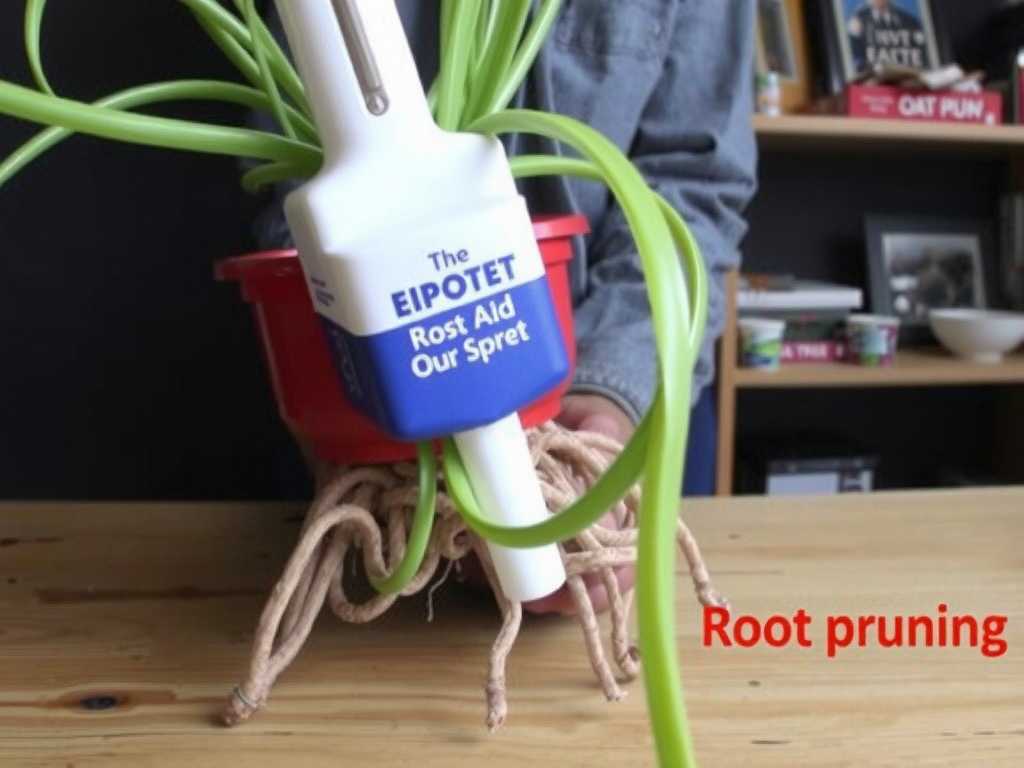
Step 2: The Surgical Pruning This is where you need to be ruthless for the sake of the plant. Using a pair of pruning shears or sharp scissors sterilized with isopropyl alcohol, I cut away every single soft, mushy, or discolored root. I cut back to firm, white tissue. If the rot has traveled up into the base of the plant (the crown), I use a clean knife to carve out any soft, brown spots until only healthy, green or white flesh remains. It's better to remove too much than to leave any rot behind.
Step 3: The Critical Disinfection Bath This is the core of the spider plant rotten root treatment. After pruning, the plant has open wounds. I prepare a disinfecting solution. My go-to, and the one recommended by many plant pathology resources, is a 1:9 ratio of household 3% hydrogen peroxide to water. I mix one part peroxide with nine parts cool water in a bowl large enough to submerge the entire root system and crown.
- The Soak: I place the pruned spider plant into this solution, ensuring all cut areas are submerged. I let it soak for 15-20 minutes. The peroxide fizzes gently—this is it working, oxidizing and killing anaerobic bacteria and fungi on the surface.
- Alternative: A diluted bleach solution (1 part bleach to 9 parts water) can be used for a 10-minute soak, but I find it harsher. Hydrogen peroxide breaks down into water and oxygen, leaving no harmful residue.
Step 4: The Drying Period After the disinfectant soak, I do not plant immediately. This is a common and fatal mistake. I place the plant on a clean paper towel in a warm, airy spot out of direct sun. I let the roots and crown air-dry completely for at least 1-2 hours, sometimes longer if the air is humid. This callousing period is vital; planting a wet plant into moist soil can restart the rot cycle.
Step 5: The Fresh Start in Sterile Soil While the plant dries, I prepare its new home. I use a clean pot (sterilized with a bleach solution if reused) with excellent drainage. The soil mix is crucial: I use a fresh, well-draining potting mix, often amending a standard mix with extra perlite or orchid bark for aeration. I lightly moisten the soil before planting—it should be damp like a wrung-out sponge, not wet. Then, I repot the spider plant, gently firming the soil around the remaining roots.
The 2-Week Recovery Timeline: What to Expect
Patience and observation are key after the operation.
- Days 1-3: The plant will look wilted and stressed. This is normal. I place it in bright, indirect light—no direct sun, which adds stress. I do not water. The pre-moistened soil is sufficient.
- Days 4-7: I check the soil moisture by sticking my finger an inch deep. Only if it's completely dry do I give it a very light watering around the edges of the pot, avoiding the crown. The focus is on encouraging root growth to seek moisture, not drowning them.
- Days 8-14: This is the turning point. By the end of the first week or into the second, I typically see signs of new growth. This might be a fresh, pale root tip visible at the drainage hole or, most excitingly, the emergence of a new leaf from the crown. The existing leaves may still have brown tips from the prior trauma, but they should stop worsening and feel firmer.
The Pitfalls I've Encountered (And How to Fix Them)
My first attempts at treating spider plant root rot weren't always successful. Here’s where I went wrong:
-
The "Just a Little Rot" Compromise: Early on, I was too timid with pruning, leaving slightly questionable roots "to see if they'd recover." They didn't. They decayed and took more of the plant with them. Solution: Be decisively thorough during pruning. Healthy tissue is clearly distinguishable from rotten tissue.
-
Skipping the Drying Step: In my eagerness to get the plant back in soil, I once repotted while the roots were still damp from the peroxide soak. The trapped moisture caused the rot to return with a vengeance. Solution: Never underestimate the power of a full air-dry. This step is as important as the disinfection itself.
-
Overwatering During Recovery: The urge to "help" by watering is strong. I learned that keeping the soil soggy in the first two weeks sabotages everything. Solution: Water only when the top inch of soil is bone dry, and even then, water minimally. The plant's water needs are minimal until new roots develop.
-
Using Old, Contaminated Soil: Reusing the old soil or potting into a heavy, moisture-retentive mix is asking for trouble. Solution: Always use fresh, well-draining potting mix in a sterilized pot. It resets the environment.
Your Questions, Answered
Can I use cinnamon instead of hydrogen peroxide for disinfection? Yes, cinnamon powder has mild antifungal properties and is a popular natural alternative. After pruning and letting the roots dry slightly, I dust all cut surfaces with a thin layer of cinnamon. While studies like those referenced by the American Horticultural Society (AHS) show it can be effective for minor issues, for advanced rot, I trust the proven, broad-spectrum action of a hydrogen peroxide soak more for complete disinfection after root pruning.
My spider plant has no roots left after pruning. Can it still survive? Absolutely. Spider plants are remarkably resilient. If all roots were rotten and you're left with just the crown (the base where leaves emerge), follow the same disinfect and dry process. Then, place it on top of barely moist sphagnum moss or water-propagate it. I've had crowns with zero roots sprout new ones in water within 10 days. Once a healthy root system of about an inch develops, pot it into soil.
How do I prevent root rot from happening again? Prevention boils down to two things: watering habits and soil. I only water when the top 50% of the soil feels dry, and I always empty the drainage saucer after 30 minutes. I also repot into a fresh, airy mix every couple of years to prevent soil compaction. Using a pot with adequate drainage holes is non-negotiable.
Watching a spider plant rebound from root rot is incredibly rewarding. The key takeaway is that pruning is only half the battle. The deliberate, careful disinfection steps after root pruning are what truly break the cycle of disease and pave the way for a robust recovery. By creating a sterile start, providing a well-draining environment, and resisting the urge to over-love with water, you give your plant the best possible foundation for a full and healthy life.