bluename
 Holes in spider plant Leaves: My Battle Plan Against Snails and Slugs
I’ll never forget the morning I walked over to my beloved, lush spider plant and saw it—ragged, unsightly holes chewed right through its graceful, arching leaves. That sense of pride I felt in my thriving indoor jungle instantly turned to frustration. If you’re here, you likely know that sinking feeling too. Those mysterious holes in spider plant leaves are more than just an aesthetic issue; they’re a sign of active pests weakening your plant. After extensive trial and error, I confirmed the most common culprits in my home: snails and slugs. These nocturnal munchers can turn a healthy plant into a tattered mess overnight.
This guide is the culmination of my personal, hands-on journey to reclaim my spider plants. I’ll share the exact control methods I used, the mistakes I made along the way, and the results I documented over a critical two-week period. My goal is to give you a clear, actionable plan so you can protect your plants effectively.
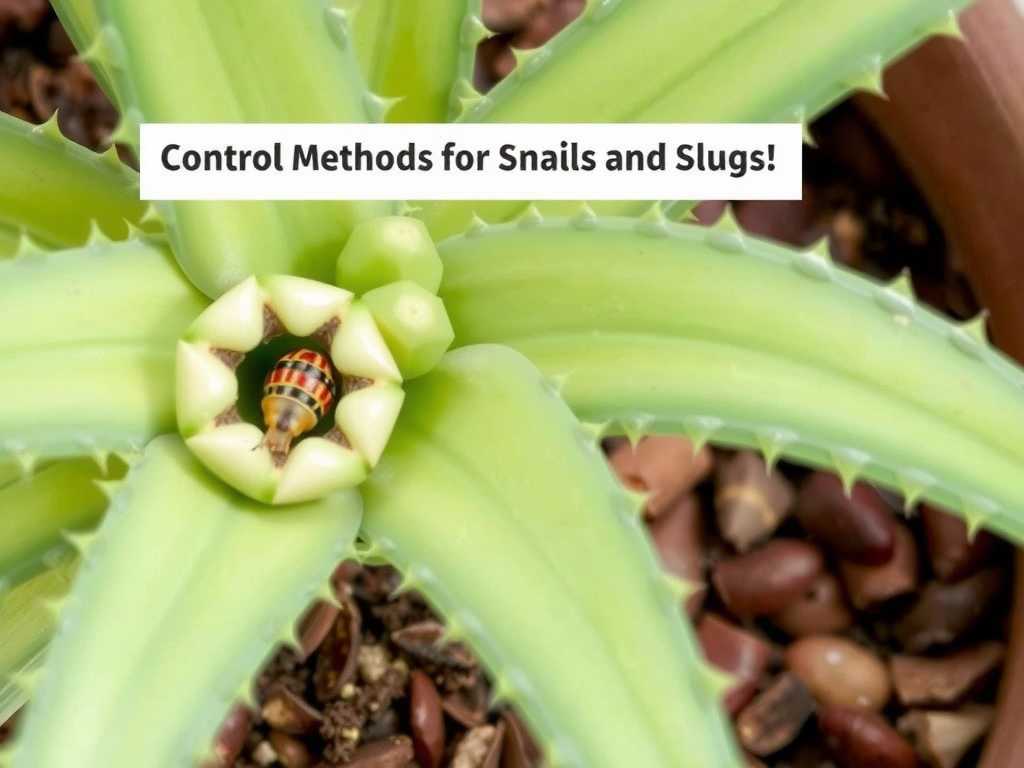
Understanding the Enemy: Why Snails and Slugs Target Spider Plants
Before diving into solutions, it’s crucial to know what we’re dealing with. Spider plants (Chlorophytum comosum) aren’t typically their first choice, but in the cozy, humid environment of our homes—especially if plants are grouped together or placed on a patio—they become a convenient salad bar. Snails and slugs are attracted to the tender, moist foliage. They feed by scraping tissue with their rasping mouthparts, leaving behind those characteristic irregular holes and sometimes silvery slime trails.
The Royal Horticultural Society (RHS) notes that while these pests rarely kill established plants, severe infestations can stunt growth and cause significant cosmetic damage, which is often our primary concern as plant lovers.
My Two-Week, Multi-Method Action Plan
I decided to attack the problem on multiple fronts, combining immediate physical removal with longer-term deterrents and treatments. Here’s the step-by-step strategy I implemented.
Week 1: Assessment and Immediate Action
My first step was a thorough nighttime inspection with a flashlight. Sure enough, I spotted a couple of small slugs nestled near the base of the pot. This confirmed the diagnosis.
-
Step 1: The Manual Removal and Clean-Up. I put on gloves and carefully picked off every snail and slug I could find, placing them in a sealed container. I then meticulously wiped down every leaf, both sides, with a soft cloth dampened with a mild soapy water solution (a few drops of castile soap in water). This removed eggs and slime trails. I also cleared any dead leaves or debris from the soil surface, eliminating hiding spots.
-
Step 2: Creating a Protective Barrier. Research led me to try physical barriers. I applied a wide ring of crushed, dry eggshells around the base of the plant on the soil surface. The sharp edges are supposed to deter soft-bodied pests. I also briefly tried copper tape around the rim of the pot, as it is said to create a small electrical charge that repels them.
-
The First Pitfall and Fix. Within two days, I noticed the eggshells had become damp from watering and compacted, losing their effectiveness. My fix was to replace them with a layer of diatomaceous earth (food grade). This fine, powdery substance is made from fossilized algae and has microscopic sharp edges that dehydrate pests. I applied a fresh, dry ring after each watering, being careful not to inhale the dust.
Week 2: Reinforcement and Observation
With the immediate threats removed, I focused on making the environment less inviting.
-
Step 3: Introducing a Biological Control. I acquired a packet of organic, iron phosphate-based slug and snail bait. According to the American Horticultural Society (AHS), iron phosphate is a safe, effective option for use around pets and wildlife when used as directed. It disrupts the pests’ feeding, causing them to retreat and die underground. I sparingly scattered a few granules around the plant, away from where my pets could access.
-
Step 4: Environmental Adjustments. I moved my spider plant to a slightly brighter, airier location. I adjusted my watering schedule to allow the top inch of soil to dry out more thoroughly between waterings, reducing the damp habitat these pests love. I also ensured no leaves were touching adjacent plants or walls, creating a “moat” of open space.
Documenting the Results: A 14-Day Recovery
The transformation wasn’t overnight, but it was steady and clear.
- Days 1-3: After manual removal and cleaning, no new damage appeared. The existing holes remained, of course, but the plant stopped looking worse.
- Days 4-7: With the diatomaceous earth barrier and careful watering, I found zero new pests during my nightly checks. The iron phosphate bait granules had been consumed.
- Days 8-14: This was the most encouraging period. Not a single new hole was created on any existing or emerging leaves. The plant began pushing out healthy, intact new growth. The old, damaged leaves would never heal, but they were now outnumbered by perfect, hole-free foliage. The infestation was conclusively under control.
Key Lessons from the Trenches
My success didn’t come without missteps. Here are the biggest pitfalls I encountered and how you can avoid them.
- Relying on a Single Method: Just hand-picking or just using eggshells wasn’t enough. These pests reproduce quickly. A combined approach—manual removal, barrier, bait, and environmental change—was what finally broke the cycle.
- Ignoring the Environment: I initially overlooked my own watering habits. Overly moist soil was an open invitation. Correcting this was as vital as any trap or bait.
- Impatience with Damaged Leaves: I was tempted to cut off every damaged leaf immediately. This would have stressed the plant. I learned to be patient, allowing it to direct energy to new growth while I managed the pests. I only trimmed the most severely damaged leaves once the plant was fully recovered.
Safeguarding Your Spider Plant for Good
Consistency is key. I now make nighttime inspections a regular part of my plant care routine, especially during humid seasons. I keep the area around my plants clean and dry, and I reapply diatomaceous earth as a preventative measure after heavy watering. Choosing the right control methods for snails and slugs is an ongoing commitment to plant health.
Common Questions from Fellow Plant Enthusiasts
Will the holes in my spider plant leaves ever heal? No, the damaged tissue will not regenerate. The holes will remain on those leaves indefinitely. The goal of treatment is to stop new damage. As your plant produces new, healthy leaves, you can gradually trim away the old, damaged ones if you wish, but do so sparingly to avoid shock.
Are snail and slug baits safe to use indoors with pets? You must choose carefully. I recommend and used iron phosphate-based baits, which are considered non-toxic to mammals like dogs and cats when used as directed. Always avoid products containing metaldehyde, which is highly toxic. Place bait in areas inaccessible to pets, such as under the rim of the pot or in a hidden bait station.
Can I just repot my spider plant to get rid of these pests? Repotting can help if the infestation is severe in the soil, as eggs and pests may hide there. However, it’s a stressful process for the plant and doesn’t address pests on the foliage or in the surrounding area. It’s better used as a last resort in conjunction with other control methods, not as a standalone solution. Focus first on the treatments outlined above.
Seeing your spider plant riddled with holes is disheartening, but it’s a solvable problem. By correctly identifying the cause as snails or slugs, acting swiftly with a combination of physical, biological, and environmental controls, and maintaining vigilance, you can stop the damage in its tracks. My two-week experiment proved that a persistent, multi-pronged strategy works. Your spider plant has remarkable resilience; with your help, it will soon be putting out beautiful, hole-free leaves once again.