bluename
 Whole spider plant Wilting: First Aid Measures for Root Anoxia
There's a special kind of panic that sets in when you walk over to your beloved spider plant, a champion of resilience, and find it completely, utterly limp. The once perky, arching leaves are now a sad cascade of yellowing and brown, collapsing under their own weight. This isn't the usual "I forgot to water for a week" droop. This is a full-system collapse. If this is your reality right now, take a deep breath. Your spider plant is likely screaming from root anoxia—a suffocation crisis below the soil. I know this panic intimately because I’ve lived it. My favorite variegated ‘Bonnie’ collapsed last spring, and what followed was a two-week intensive care mission that taught me more about plant first aid than any book ever could.
Understanding the Silent Killer: Root Anoxia
We often think plant roots just need water. But what they truly need is oxygen dissolved in that water. Root anoxia occurs when the soil is so waterlogged or compacted that all the air pockets are flooded, literally drowning the roots. They can't breathe, they can't function, and they begin to rot, which spreads a toxic environment. The American Horticultural Society (AHS) notes that overwatering-induced oxygen deprivation is the leading cause of root death in container plants, far outpacing underwatering. The wilting you see is the plant's last-ditch effort; with rotten roots, it cannot uptake water, so it paradoxically wilts while standing in moisture. This was my "aha" moment. I had been lovingly watering on a strict schedule, ignoring the fact that a cool, cloudy week meant the soil hadn't dried at all.
First Aid Triage: The 48-Hour Rescue Protocol
When I saw my whole spider plant wilting, I knew immediate action was needed. Here is the exact, step-by-step protocol I followed.
Step 1: The Emergency Unpotting Gently, I tipped the pot and slid the entire root ball out. The smell was the first confirmation—a faint, musty, unpleasant odor, not like healthy earth. The soil was cold and soggy. I placed the root ball on a stack of old newspapers.
Step 2: The Root Autopsy and Surgery This is the hardest part. I carefully rinsed the roots under a gentle, lukewarm stream of water to wash away all the old soil. The truth was laid bare. Where there should have been firm, white, or creamy tuberous roots, I found sections that were brown, mushy, and sloughed off to the touch. Using sterilized scissors (wiped with isopropyl alcohol), I meticulously cut away every single soft, rotten root. I cut back until I saw only firm, healthy tissue. This felt drastic—I removed nearly 60% of the root mass. But as the Royal Horticultural Society (RHS) advises, "All rotten material must be removed, as it will only decay further."
Step 3: The Fungicide Bath Even with clean cuts, fungi could be present. I prepared a solution of a copper-based fungicide according to the label and soaked the remaining healthy root system for about 15 minutes. This step is a crucial guard against secondary infection. If you don't have fungicide, a mild hydrogen peroxide solution (1 part 3% peroxide to 4 parts water) can work as a disinfectant.
Step 4: The Fresh Start I selected a clean pot with excellent drainage holes—this time, a terracotta one for its breathability. I filled it one-third with a fresh, airy, well-draining potting mix. I specifically used a cactus/succulent blend amended with extra perlite. I positioned the pruned spider plant in the center and filled in around the roots, gently firming the mix. I did not water it. The plant needed time for its root wounds to callus over, and the fresh soil had slight moisture.
Step 5: The ICU Environment I placed the pot in a warm spot with bright, indirect light. No direct sun, which would add stress. I withheld all water for a full week. The goal was to trigger a desperate survival response: to push out new roots in search of moisture.
The Two-Week Recovery Journal: A Rollercoaster of Hope
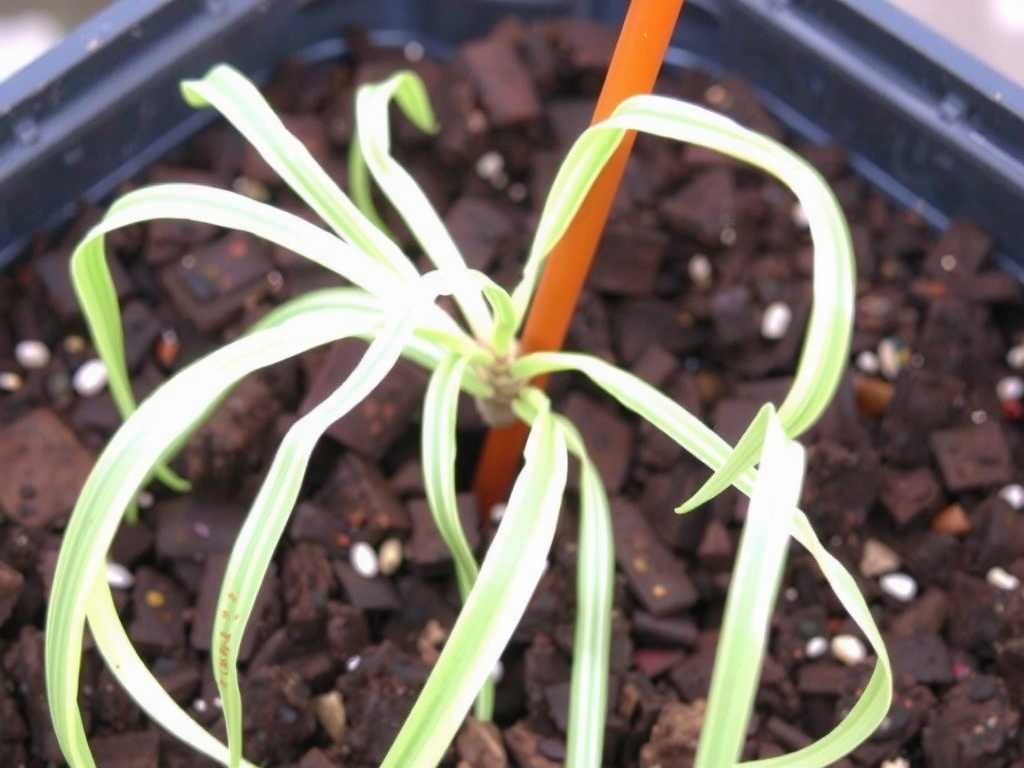
Days 1-3: The plant looked... terrible. Honestly, worse. The remaining leaves were still completely limp, some browning further. This was the "transplant shock" phase, and I had to fight the urge to water it. I simply misted the air around it lightly for humidity.
Days 4-7: By day five, I noticed the center of the plant, the crown, felt slightly firmer. The leaves weren't perking up, but they had stopped getting worse. This was a sign the rot had been halted.
Day 8 - The First Watering: After seven full days, I performed the "knuckle test." The top two inches of soil were bone dry. I gave the plant a thorough but careful bottom-watering. I placed the pot in a saucer of water for 20 minutes, allowing it to drink from below, then removed it to drain completely. This encourages roots to grow downward.
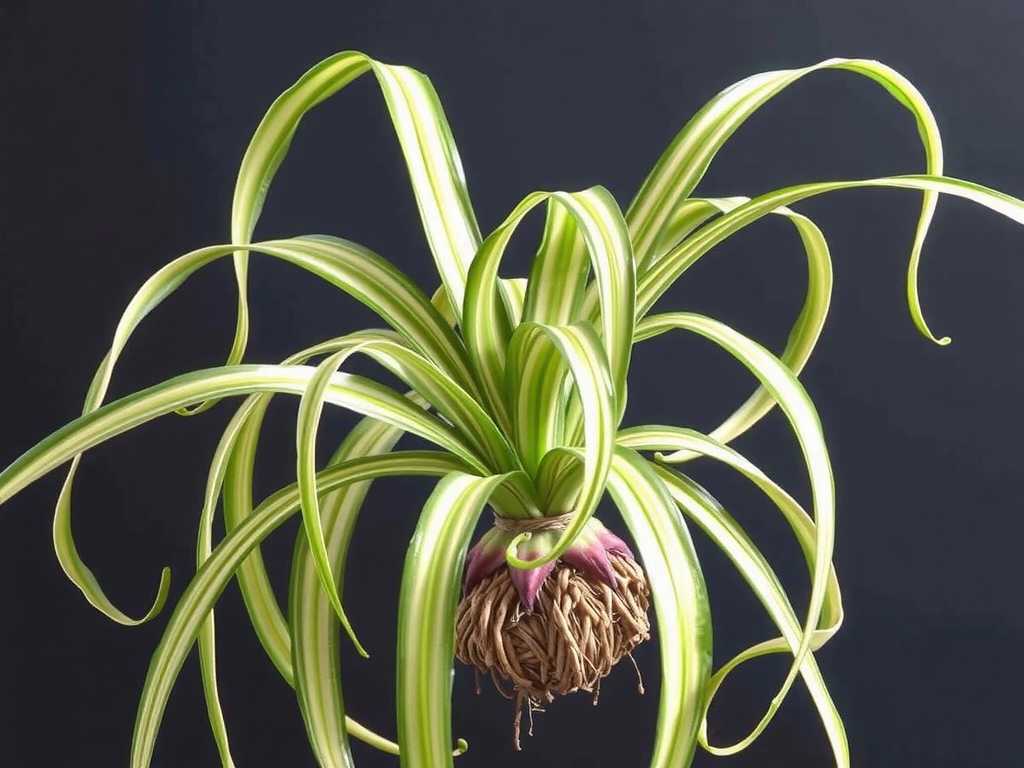
Days 9-12: Hope! Two days after that first drink, the very youngest leaves in the center began to show a hint of turgor pressure. They weren't limp. By day twelve, a few of the older, sturdier leaves had lifted slightly from their collapsed state. They weren't perfect, but they were no longer touching the rim of the pot.
Day 14 - The Turning Point: At the two-week mark, the plant was undeniably on the mend. Approximately 30% of the foliage had regained some arch and firmness. The yellowing had ceased. Most importantly, a gentle tug on the base of the plant met with resistance—new roots had anchored it into the fresh soil. The spider plant root rot recovery was officially underway.
The Pitfalls I Encountered (And How to Fix Them)
My journey wasn't flawless. I made mistakes during recovery that you can avoid.
Pitfall 1: The Premature Watering Temptation. At day three, convinced I was letting it die of thirst, I gave it a tiny sip of water. This was a mistake. The next day, a leaf I thought was stable turned to mush. I had to re-sterilize my scissors and remove it, and I extended the dry-out period further. Solution: Trust the process. The plant has water stored in its roots. Wait the full 5-7 days.
Pitfall 2: Wrong Light Location. I initially put it in a shady corner to "rest." Growth stalled. I learned, with guidance from AHS resources on plant stress recovery, that plants need energy (light) to rebuild. Solution: Move to bright, indirect light immediately to fuel photosynthesis for new root and leaf growth.
Pitfall 3: Ignoring the Foliage. While focusing on roots, the long, stressed leaves were dragging on the plant's energy reserves. Solution: At the one-week mark, I carefully trimmed the most severely wilted and brown leaves back to the base. This reduced the plant's burden and allowed it to focus energy on regeneration.
Long-Term Care to Prevent Recurrence
Saving your plant is half the battle; changing your habits wins the war. Preventing spider plant overwatering is now my mantra. I now water only when the soil is dry halfway down the pot, which I check with a moisture meter or a simple chopstick. I ensure pots have drainage holes and are not sitting in saucers of standing water. I repot into fresh, chunky mix every couple of years to prevent compaction. This holistic approach is the true fix for wilting spider plant issues long-term.
Your Questions, Answered
Can a spider plant recover from severe root rot? Yes, absolutely, if you act quickly and decisively. The key is removing all the rot, providing a sterile fresh start, and having the patience to let it recover on its own timeline. The plant's will to live, given the right conditions, is remarkable.
How long does it take for a repotted spider plant to perk up? Don't expect overnight miracles. After a proper rescue, you may see the first signs of improvement (like a firmer crown) in 7-10 days. Visible leaf perking can take 2-3 weeks, and full recovery to a lush appearance may take several months as it regrows its root system and pushes out new foliage.
Should I fertilize my spider plant after root rot? No, not for at least 3-4 months. Fertilizer is a stressor on roots. Your plant's sole job is to rebuild its foundational root system. Fresh potting mix has enough nutrients to sustain it. Fertilizing too soon can burn the new, tender roots and set back your hard-won progress.
Watching a spider plant go from a lifeless heap to pushing out a new, tiny spear of green leaf is one of the most rewarding experiences for a plant lover. It’s a powerful lesson in listening to what your plant is truly telling you—often through its roots, not its leaves. The wilting is a crisis, but with these first-aid measures, it doesn't have to be a death sentence.