bluename
 Dull Leaves on spider plants: Selection and Spraying Method of Foliar Fertilizer
There’s nothing quite as disheartening as watching the vibrant, striped leaves of your beloved spider plant lose their luster. That once-lush green fades to a pale, washed-out yellow, and the characteristic white or cream variegation seems to dim. For years, I’ve nurtured these resilient houseplants, but even the toughest spider ivy can signal distress through dull leaves on spider plants. It’s a common cry for help, often pointing directly to a nutrient deficiency that watering alone can’t fix. That’s when I turned my focus to the targeted solution of foliar feeding. This guide is the culmination of my hands-on experimentation, detailing exactly how I selected the right fertilizer and applied it, tracking the remarkable transformation over a critical two-week period.
Understanding Why Spider Plant Leaves Lose Their Shine
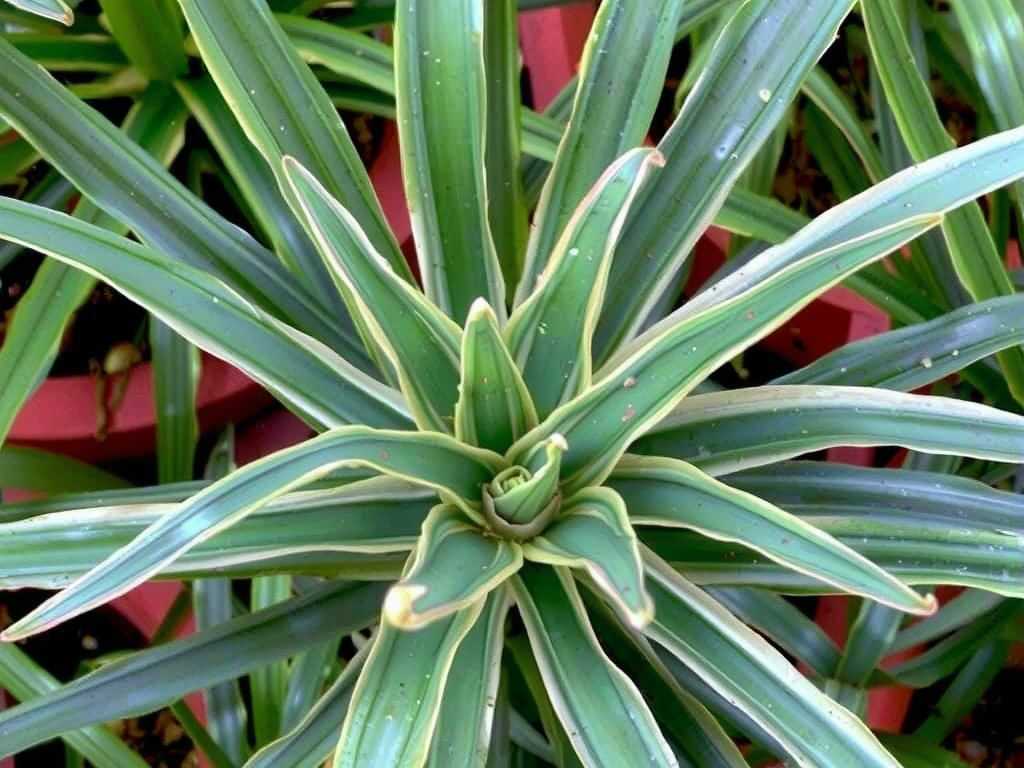
Before reaching for any spray bottle, it’s crucial to diagnose the problem. Dull foliage on chlorophytum isn’t always about hunger. I’ve learned to rule out other culprits first. Excessive direct sunlight can bleach leaves, while insufficient light can weaken their color. Check for root-bound conditions—a frequent issue with fast-growing spider plants. But when your plant is properly potted, receives bright, indirect light, and you’re following a good watering routine, the likely villain is a lack of key micronutrients like iron, magnesium, or nitrogen. These elements are vital for chlorophyll production and overall leaf vitality. According to the Royal Horticultural Society (RHS), foliar feeding can be a highly effective way to address these specific deficiencies quickly, as nutrients are absorbed directly through the leaf surface.
My Journey to the Perfect Foliar Feed: Selection Criteria
My initial foray into foliar sprays was a lesson in what not to do. I grabbed an all-purpose, granular garden fertilizer, diluted it poorly, and ended up with leaf burn—tiny brown spots where the solution was too strong. It was a classic beginner’s mistake. From that failure, I developed a strict selection checklist.
First, formulation is everything. I now seek out liquid fertilizers specifically labeled for foliage plants or indoor use. These are designed to be gentle and readily absorbed. A balanced formula is key. After consulting several resources, including the American Horticultural Society’s (AHA) guidelines on houseplant care, I prioritized fertilizers with a good balance of nitrogen (for green growth) and a suite of micronutrients. Iron is particularly important for preventing chlorosis, the technical term for yellowing leaves.
Second, I look for chelated micronutrients. This term sounded complex at first, but it simply means the nutrients are in a form that plants can easily absorb through their leaves. My go-to product became a liquid, water-soluble fertilizer with chelated iron and magnesium.
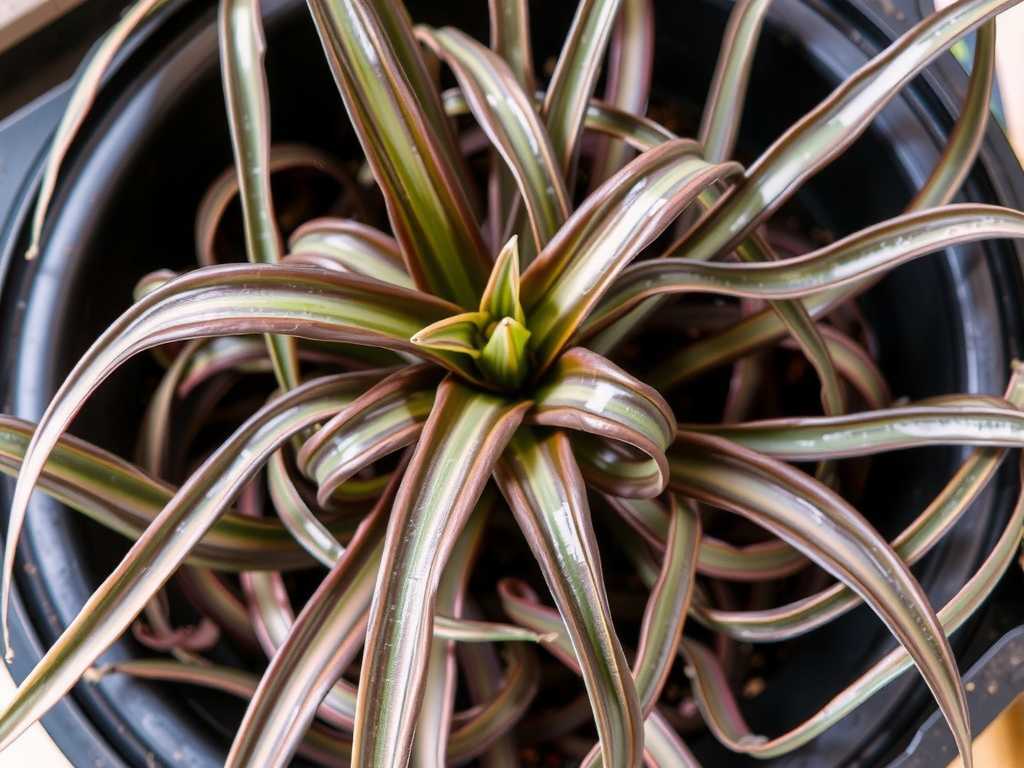
Finally, organic vs. synthetic was a consideration. I tested both. A fish emulsion blend worked well but had a distinct odor indoors. A synthetic, urea-free liquid fertilizer proved just as effective for the leaf shine restoration for spider plants I was after, without the smell. For indoor application, the odorless option won out.
The Step-by-Step Foliar Spraying Method That Actually Works
Armed with the right fertilizer, the application process is where precision pays off. Here is the exact routine I followed.
Preparation is Key: I used a clean, one-liter spray bottle dedicated solely to my plants. Any residue from cleaners can cause damage. I mixed the fertilizer at half the strength recommended on the label for soil application. This is a non-negotiable rule to prevent burn. If the bottle says 1 teaspoon per gallon for watering, I use ½ teaspoon for my foliar spray. I used lukewarm, filtered water to avoid any chlorine or mineral interactions.
The Optimal Spraying Environment: I always treat my plants in the early morning. This allows the leaves to dry fully before evening, minimizing the risk of fungal diseases. I move the plant to my kitchen sink or a shaded patio to avoid spraying furniture and to ensure good airflow.
Application Technique: I lightly mist the entire plant, but I pay special attention to the undersides of the leaves. This is where most stomata (the pores for absorption) are located. I spray until a fine, even dew forms on the foliage, but I am careful to avoid drenching it to the point where droplets roll off and into the soil center—this could lead to over-fertilization of the roots. A light, thorough coating is the goal.
Post-Spray Care: I let the plant sit in its shaded, airy spot for about an hour to allow for initial absorption before returning it to its usual bright, indirect light location. I do not wipe the leaves; letting the solution dry naturally is part of the process.
The Two-Week Transformation: A Daily Log
I committed to applying the foliar spray once per week for two weeks, observing my most faded spider plant daily.
Days 1-3: Frankly, not much visible change. The leaves still looked pale and tired. This is the patience-testing phase where you must trust the process.
Days 4-7: After the second application (day 7), I began to notice a subtle shift. The yellowing on newer leaves seemed to halt. The deepest green parts of the variegation appeared slightly richer. No new brown tips appeared, a good sign the solution wasn’t too harsh.
Days 8-14: This is where the magic became evident. The overall complexion of the plant changed from sickly pale to a fresher, more vibrant green. The variegated stripes on my ‘Vittatum’ spider plant became more distinctly creamy against the green backdrop. The leaves had a healthier, more robust look—not artificially glossy, but naturally vital. The improvement in spider plant leaf color was undeniable. It wasn’t a overnight miracle, but a steady, discernible recovery.
Common Pitfalls I Encountered and How I Solved Them
- Leaf Burn (The White Spot Dilemma): As mentioned, my first attempt caused burn. The fix: I immediately discontinued use, gently rinsed the leaves with plain water, and switched to a half-strength dilution. For severely burned leaves, I snipped them off to redirect energy to new growth.
- Sticky Residue: Using a fertilizer not designed for foliar feed left a sticky film that attracted dust. The fix: I switched to a completely water-soluble formula. If residue occurs, a gentle wipe with a damp cloth a few days after application can help.
- Over-Fertilizing the Soil: Accidentally spraying too heavily can drip into the potting mix. The fix: I now shield the soil surface with a piece of paper towel or plastic wrap during spraying to prevent any root-level overdose.
- No Results: If after two weeks you see zero change, the dullness may not be nutrient-related. The fix: Re-evaluate light and water. The problem might be root rot from overwatering, which no spray can cure.
Frequently Asked Questions
How often should I use foliar fertilizer on my spider plant? As a corrective treatment for dull leaves, I apply it once a week for 2-3 weeks. For maintenance, I reduce this to once a month during the active growing season (spring and summer). I never foliar feed in the dormant winter months.
Can I make my own homemade foliar spray for spider plants? I have experimented with dilute compost tea. While it can provide some benefits, the consistency and nutrient concentration are hard to control. For a targeted solution to specific deficiency symptoms, a commercially prepared fertilizer with chelated micronutrients is, in my experience, more reliable and effective.
Is foliar spraying a replacement for soil fertilization? Absolutely not. Think of foliar feeding as a quick-acting supplement or a targeted intervention. The primary nutrition for your spider plant should still come from a balanced, regular soil-feeding schedule during the growing season. Foliar spraying is an excellent boost, not a substitute.
Watching a spider plant regain its vigor is a deeply satisfying experience. The journey from dull, lifeless leaves to a plant that radiates health doesn’t require complex science, just the right knowledge and a careful hand. By selecting a gentle, nutrient-specific formula and applying it with care, you can directly address the hidden hunger causing the lackluster appearance. Remember, the goal is to support the plant’s natural processes, not to force it. With observation and patience, those brilliant stripes and rich greens will return, making your spider plant the vibrant centerpiece it was meant to be.