bluename
 Faded Leaves on spider plants: Prevention and Improvement Methods for Variety Degeneration
I’ll admit it. The first time I saw the vibrant green and white stripes of my beloved ‘Variegatum’ spider plant fading into a dull, uniform pale green, my heart sank. This wasn't just a cosmetic issue; it felt like the unique identity of my plant was slipping away. This phenomenon, known as variety degeneration or reversion, is a common frustration for spider plant enthusiasts. Over years of nurturing these resilient yet sometimes finicky plants, I’ve learned that faded leaves on spider plants are a distress signal, a plea for specific care. In this guide, I’ll walk you through my hands-on, trial-and-error journey to not only restore that lost variegation but to prevent it from happening in the first place.
Understanding Why Your Spider Plant is Losing Its Stripes
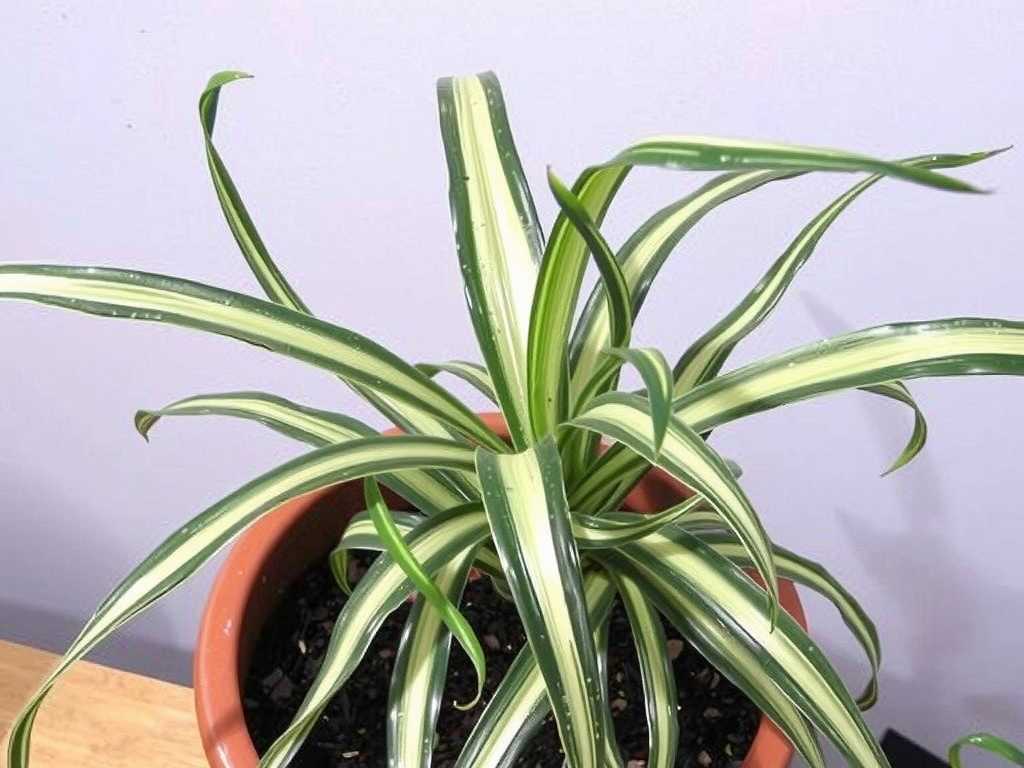
Before you can fix the problem, you need to diagnose it. Fading or reversion in spider plants isn't random. It's the plant's survival response to less-than-ideal conditions. The beautiful white or cream stripes lack chlorophyll, the pigment essential for photosynthesis. When the plant is stressed, it prioritizes survival over beauty, producing more green tissue to capture more light. The Royal Horticultural Society (RHS) notes that reversion is often triggered by environmental stress, and once a shoot fully reverts to green, that growth cannot regain its variegation.
From my experience, the primary culprits are consistently low light, over-fertilization (especially with high-nitrogen formulas), and aging, crowded growth. I learned this the hard way with a large, mature spider plant I’d placed in a cozy, but dim, corner of my living room.
My Two-Week Rescue Plan for a Fading Spider Plant
When I noticed my favorite spider plant’s variegation becoming washed-out and weak, I committed to a 14-day corrective course. Here was my step-by-step plan:
Week 1: The Immediate Intervention
My first step was a thorough assessment. I placed the plant on my potting bench and examined it closely. The center of the plant, where new growth emerged, was the most faded. The soil was also compacted and dried out too quickly—a sign it was root-bound.
- Day 1-2: The Strategic Relocation. I moved the plant from its dim corner to a spot about 3 feet away from a bright, east-facing window. This provided plenty of bright, indirect light. Direct afternoon sun can scorch the leaves, but gentle morning light is ideal. I avoided the temptation to shove it right into the brightest spot immediately to prevent shock.
- Day 3: The Root Investigation and Repot. Gently tipping the plant out of its pot confirmed my suspicion: a dense, tangled root ball. Using a clean knife, I carefully teased apart the outer roots and divided the plant. I selected the healthiest, most variegated offsets (spiderettes) and a portion of the main plant with the best color. I potted these into a fresh, well-draining potting mix, amending it with extra perlite as recommended by many horticultural guides for optimal aeration.
- Day 4-7: The Nutrient Reset. I completely halted all fertilization. My previous routine of a balanced liquid feed every month was likely too much, especially in lower light. For these two weeks, I used only plain, filtered water. I watered deeply only when the top inch of the new soil felt dry to the touch, ensuring no soggy conditions developed at the roots.
The First Week’s Observations and a Major Pitfall
By day 7, the plant looked… stressed. Some of the older, severely faded leaves developed brown tips—a classic sign of transplant shock and adjustment to new light levels. I had panicked and over-watered once, fearing the move had been too drastic. This was my first big “踩过的坑” (pitfall): overcompensating with care.
The Solution? I stuck a simple wooden chopstick into the soil to check moisture deep down before watering again. I also trimmed the brown tips at a slight angle with sterile scissors for aesthetics, remembering that this damage was permanent but not harmful to new growth. Patience was key.
Week 2: Refinement and Observation
- Day 8-14: Establishing a New Rhythm. I maintained the bright, indirect light regime. I began to notice a change: the very newest leaves emerging from the center of the repotted divisions showed a subtle but definite promise. The green was brighter, and the faint outline of a stripe was visible. They were smaller but tighter in growth.
- Monitoring for Pests. Stress can make plants vulnerable. I inspected the undersides of leaves weekly for signs of aphids or spider mites, which I’ve encountered before. A simple wipe with a damp cloth kept them clean and allowed me to monitor closely.
The Two-Week Verdict and Long-Term Adjustments
After 14 days, my spider plant was not “magically cured,” but it was unequivocally on the mend. The alarming, rapid fading had stopped. The new growth, while slow, was showing improved color definition. The older, fully reverted leaves would never change back, but the plant’s energy was now directed into healthier, more variegated growth.
The real success came from the long-term habits I established from this experiment:
- Light is Non-Negotiable: I now consider bright, indirect light the most critical factor for maintaining spider plant variegation. A north or east-facing window is perfect.
- Less is More with Food: I switched to a diluted, balanced fertilizer, applying it only during the active growing seasons (spring and summer) and at half the recommended strength. I skip feeding entirely in fall and winter.
- Proactive Propagation: The American Horticultural Society’s (AHS) encyclopedia emphasizes propagation as a key to maintaining cultivar traits. I now regularly propagate the most vibrant spiderettes in water before potting them, ensuring I always have a “backup” of the best variegated stock. This is the single most effective method for preventing variety degeneration.
Addressing Your Spider Plant Concerns
Can a completely green leaf ever turn variegated again? No, unfortunately. Once a leaf or stem has reverted to solid green, that specific growth will remain green. The solution is to encourage new, properly variegated growth by improving conditions and, if necessary, pruning out the fully reverted stems to redirect the plant's energy.
Is a faded spider plant unhealthy? Not necessarily unhealthy in a life-threatening sense, but it is stressed. It’s functioning sub-optimally. The fading is a sign it’s compensating for a lack of light or other imbalances. A chronically stressed plant will be more susceptible to pests and disease over time.
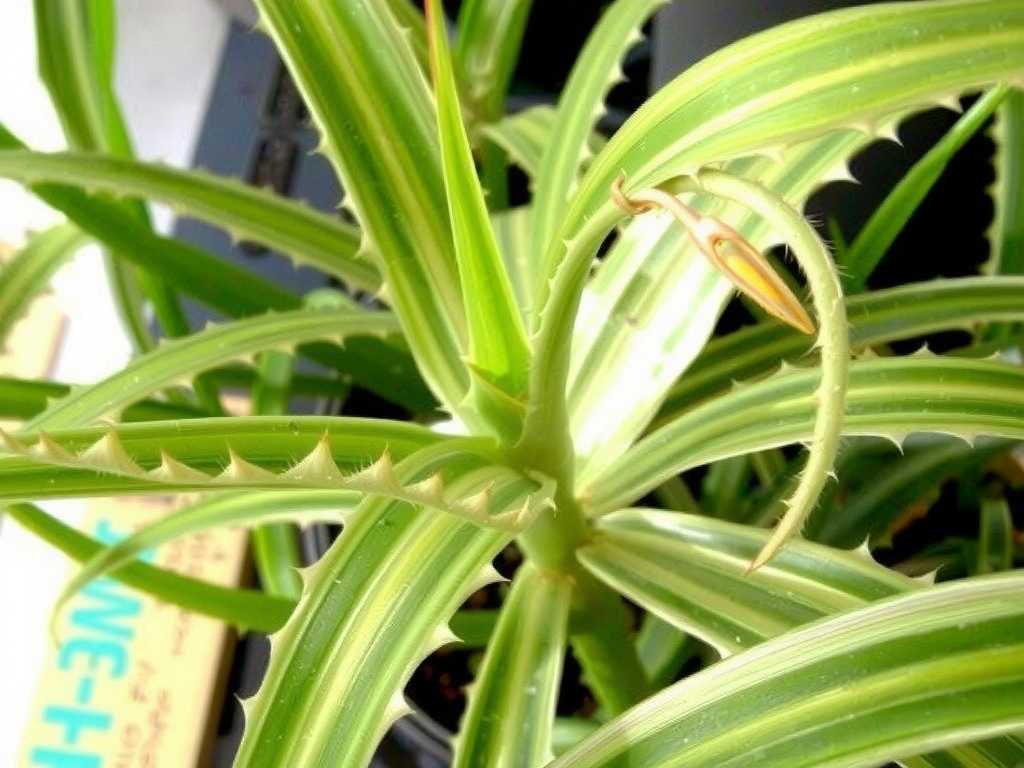
How often should I repot to prevent fading? Spider plants enjoy being slightly root-bound and often flower more readily. However, when the roots become severely crowded and the soil is exhausted (usually every 2-3 years), it can contribute to stress. Repot in spring into a container only 1-2 inches larger, or divide the plant as I did, to refresh the soil and give the roots new space.
Watching a spider plant’s brilliant stripes fade can be disheartening, but it’s a solvable puzzle. The journey from faded to vibrant again taught me to listen to my plant’s visual cues. It reinforced that consistent, appropriate care—prioritizing brilliant indirect light, restrained feeding, and timely propagation—is the true secret to preserving the stunning, striped beauty of these classic houseplants for years to come.