bluename
 Dry Leaf Tips on spider plants: Impact of Heating and Air Conditioning and Countermeasures
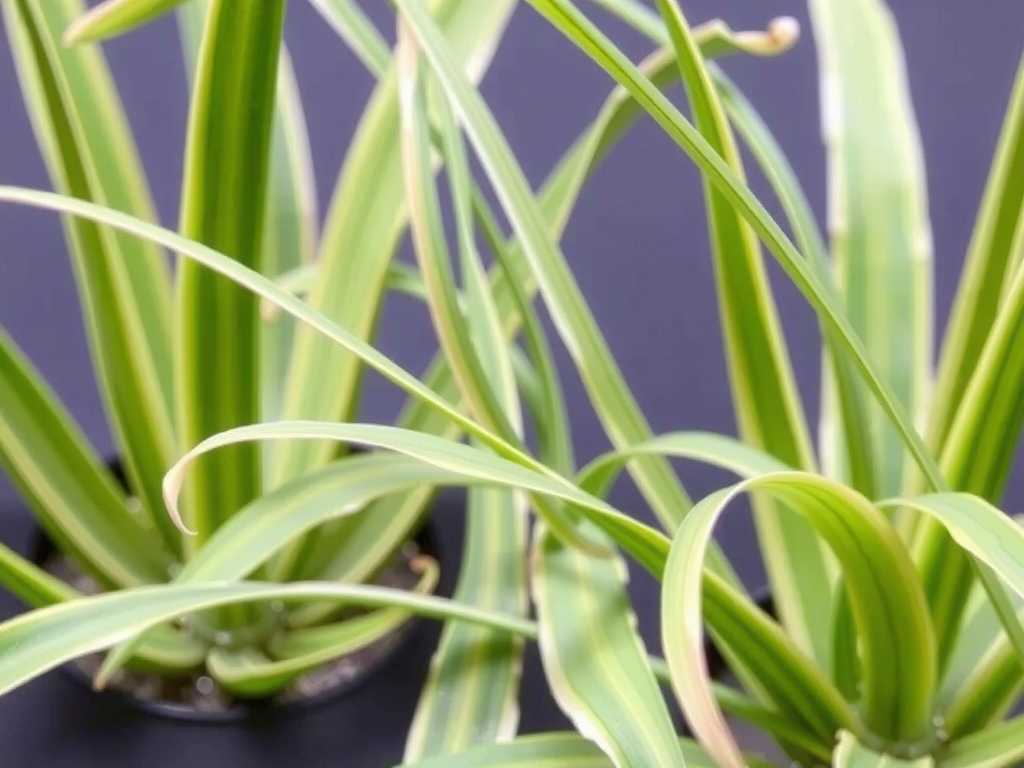
There’s a special kind of plant-parent heartbreak that comes from seeing the vibrant green of your spider plant marred by dry, crispy brown leaf tips. I’ve been there, staring at my once-lush Chlorophytum comosum, wondering what I did wrong despite my regular care. For years, I attributed it to inconsistent watering or perhaps a lack of fertilizer. It wasn’t until I moved my collection to a room with central climate control that I pinpointed the true, relentless culprit: the dry, artificial air from my heating and air conditioning systems. This article is born from my two-week journey of observation, experimentation, and ultimately, finding effective solutions to combat dry leaf tips on spider plants caused by HVAC environments.
Understanding the Enemy: How HVAC Systems Create a Desert for Your Plants
Heating and air conditioning are miracles of modern comfort for us, but for humidity-loving plants like spider plants, they are silent stressors. Both systems work by removing moisture from the air. Heating warms cold air, expanding its capacity to hold water vapor, which effectively lowers relative humidity. Air conditioning cools air, causing moisture to condense on the coils and drain away. The result is the same: an indoor atmosphere with humidity levels often plummeting to 20-30%, sometimes even lower. According to the Royal Horticultural Society (RHS), most tropical houseplants, including spider plants, thrive in 40-60% relative humidity. When levels drop, plant transpiration accelerates, drawing moisture from the leaf tips faster than the roots can replenish it, leading directly to those tell-tale dry, brown tips.
My own experience confirmed this. My spider plant, “Verdant,” sat on a shelf about 10 feet from a forced-air vent. Even with weekly watering, the leaf tips began to crisp. I purchased a digital hygrometer and was shocked to see the humidity hover at a mere 25% when the HVAC system was running.
My Two-Week Rescue Plan: A Step-by-Step Battle Against Dry Air
I decided to implement a multi-pronged approach for two weeks, documenting changes every other day. My goal was not just to stop further damage but to see if the plant could recover its vibrancy.
Week 1: Diagnosis and Initial Interventions
Day 1-3: Relocation and Humidity Assessment My first step was to move Verdant and my other spider plants away from direct airflow. I chose a bright, north-facing bathroom with natural light but no direct vent. I placed the hygrometer next to it. The baseline humidity here was higher, around 35%, but still suboptimal. I gave all plants a thorough, lukewarm shower, rinsing the leaves to remove dust and hydrate the foliage—a tip often endorsed by the American Horticultural Society (AHS) for periodic leaf cleaning and hydration.
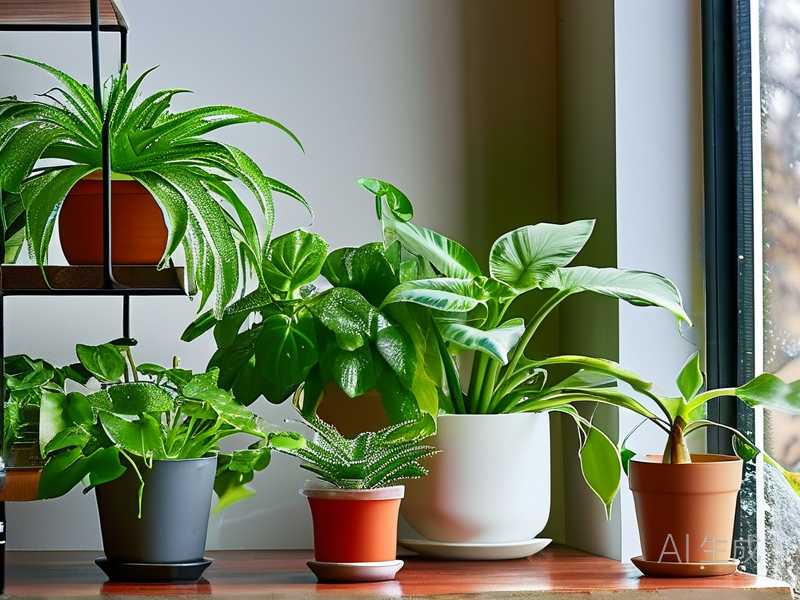
Day 4-7: Introducing the Pebble Tray I set up a simple pebble tray. I took a wide, shallow tray, filled it with smooth pebbles, and added water until it sat just below the top of the stones. I placed Verdant’s pot on top. The key is that the pot must not sit in water to avoid root rot. As the water evaporates, it creates a localized humid microclimate. I also began grouping my spider plants closer together. Plants naturally release water vapor through transpiration, and grouping them creates a communal zone of higher humidity.
By Day 7, the hygrometer near the plant cluster read 45%. The existing brown tips were still there (they never turn green again), but I noticed no new browning on the freshest leaves. This was my first sign of progress.
Week 2: Intensification and Observation
Day 8-14: Incorporating Misting and Refining Watering While pebble trays are great, I wanted to boost humidity more directly during the driest part of the day (when the heat kicked on). I started a gentle morning misting routine using distilled water to avoid mineral spots on the leaves. I’d lightly mist the air around the plants, not drench them, to prevent water from sitting in the crown and causing rot.
I also re-evaluated my watering. In dry air, soil moisture evaporates faster from the surface, but the root ball might not be dry. I adopted the “finger test,” inserting my finger two inches into the soil. I watered only when it felt dry at that depth, using room-temperature, filtered water until it drained freely from the bottom. This prevented both underwatering stress and overwatering, which can ironically also cause leaf tip burn due to root damage.
The Pitfalls I Encountered and How I Fixed Them
This process wasn’t without its missteps. My first major pitfall was over-enthusiastic misting. I misted heavily in the evening, and water droplets lingered on the leaves overnight. Within a few days, I saw the beginnings of a small fungal spot on one leaf. I immediately stopped evening misting, switched to early morning only, and increased air circulation slightly with a gentle, oscillating fan placed across the room. The spot did not spread.
The second pitfall involved my pebble tray. I neglected to top up the water for three days during a cold snap when the heater ran constantly. The tray dried out completely, causing a sudden humidity drop. I caught it when I saw the hygrometer reading dive. The solution was simple but crucial: I made checking and refilling the tray part of my daily morning plant check, just like glancing at the leaves.
The Results After 14 Days: A Clear Victory
After two consistent weeks, the transformation was evident. The localized humidity around my spider plant cluster stabilized between 48-55%. Verdant’s existing brown tips remained, as expected, but every single new leaf unfurling from the center was a pristine, solid green without a hint of browning. The plant overall looked more turgid and lively. The experiment proved conclusively that managing ambient humidity was the key to stopping dry leaf tips on my spider plants in a climate-controlled home.
Beyond the Basics: Long-Term Humidity Solutions for Spider Plant Care
For those seeking more hands-off solutions, consider these options I’ve since integrated:
- Room Humidifiers: A small cool-mist humidifier near your plant collection is the most effective way to control the environment. It’s my go-to solution for winter now.
- The Shower Steam Boost: When you take a hot shower, bring your spider plants into the bathroom. The steam provides an excellent humidity boost.
- Choosing the Right Soil: A well-aerated, peat-based potting mix retains moisture evenly without becoming waterlogged, supporting root health which is fundamental for water uptake.
Can I simply cut off the brown tips on my spider plant? Yes, you can. Use sharp, sterile scissors and trim the brown tissue, following the natural angle of the leaf tip. Avoid cutting into the healthy green tissue, as this can create a new brown edge. It’s purely cosmetic but can make the plant look tidier.
Will using a humidifier cause mold in my room? Properly used, it should not. The goal is to raise humidity to 40-60%, not create a rainforest. Use a hygrometer to monitor levels, ensure good general air circulation in the room, and clean your humidifier regularly as per the manufacturer’s instructions to prevent mold or bacteria growth inside the unit.
How often should I water my spider plant in low humidity? Throw away the calendar. Frequency depends on light, temperature, and pot size. Always use the finger test. In low-humidity conditions, surface soil dries fast, but the deeper soil may still be moist. Water thoroughly only when the top few inches are dry, and you’ll avoid both drought stress and root rot.
The journey with Verdant taught me that spider plants are resilient communicators. Dry leaf tips are their way of saying the air is too dry. By listening and responding—by moving them, employing pebble trays, grouping plants, and misting wisely—we can easily counteract the drying effects of our heating and air conditioning systems. It’s a simple shift from fighting symptoms to addressing the root cause of the problem. Your spider plant will reward you with lush, uninterrupted green growth, proving that even in our modern, climate-controlled boxes, a touch of the tropics can thrive.