bluename
 Waterlogging in spider plant Potting Soil: Drainage Tips of Adding Ceramsite
I love my spider plants. Their vibrant green and white stripes have brightened my home for years. But recently, I noticed something worrying. The leaves on one of my oldest plants started turning yellow at the base, feeling soft and limp. A quick check of the soil confirmed my fear: waterlogging in spider plant potting soil. The pot felt heavy, the soil was persistently soggy days after watering, and a faint, musty smell hinted at possible root trouble. It was a classic case of poor drainage, a silent killer for these otherwise hardy plants. I knew I had to act fast to improve the soil structure and save my plant. My solution? Incorporating ceramsite for drainage.
This is my hands-on journey of rescuing my waterlogged spider plant by adding ceramsite to its potting mix. I’ll walk you through my exact steps, the two-week transformation I observed, and the practical lessons I learned the hard way.
Why Spider Plants Hate Wet Feet: Understanding the Problem
Spider plants (Chlorophytum comosum) are champions of adaptability, but they have one major weakness: sitting in water. Their fleshy, tuberous roots are designed to store moisture, making them moderately drought-tolerant. However, these same roots are highly susceptible to rot in consistently wet conditions.
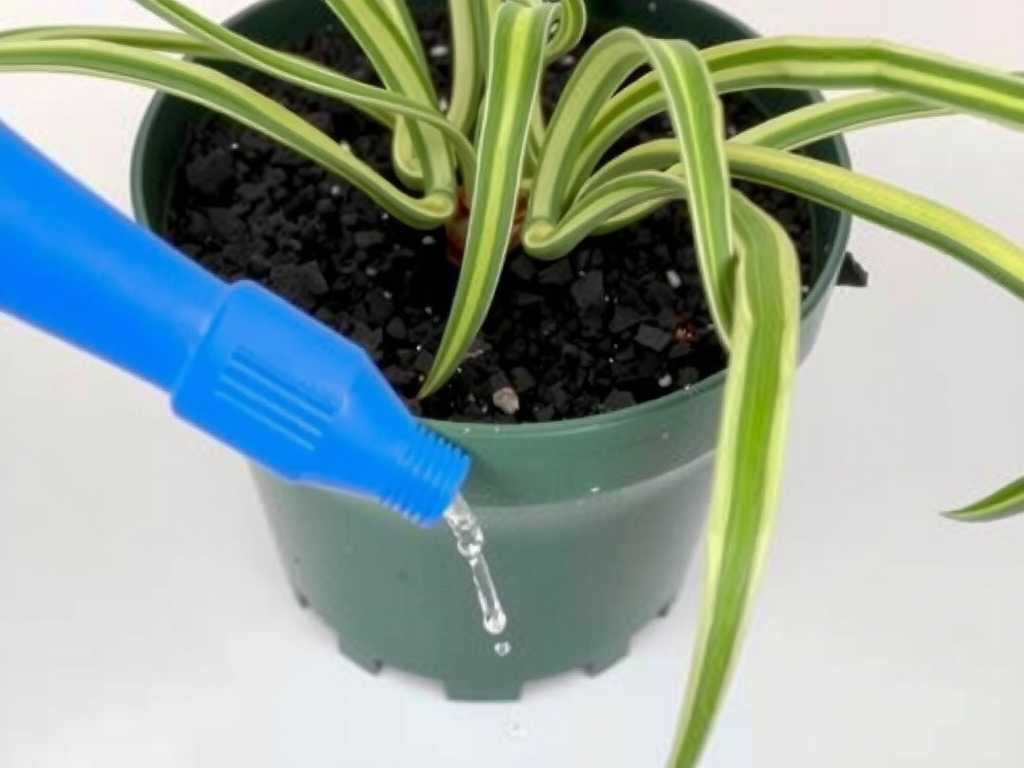
Waterlogging creates an anaerobic environment, suffocating the roots and opening the door for fungal pathogens like Pythium and Rhizoctonia, which cause root rot. The American Horticultural Society (AHS) notes that overwatering and poor drainage are among the top causes of houseplant decline, stressing that “good drainage is non-negotiable for healthy root systems.” My plant was a textbook example.
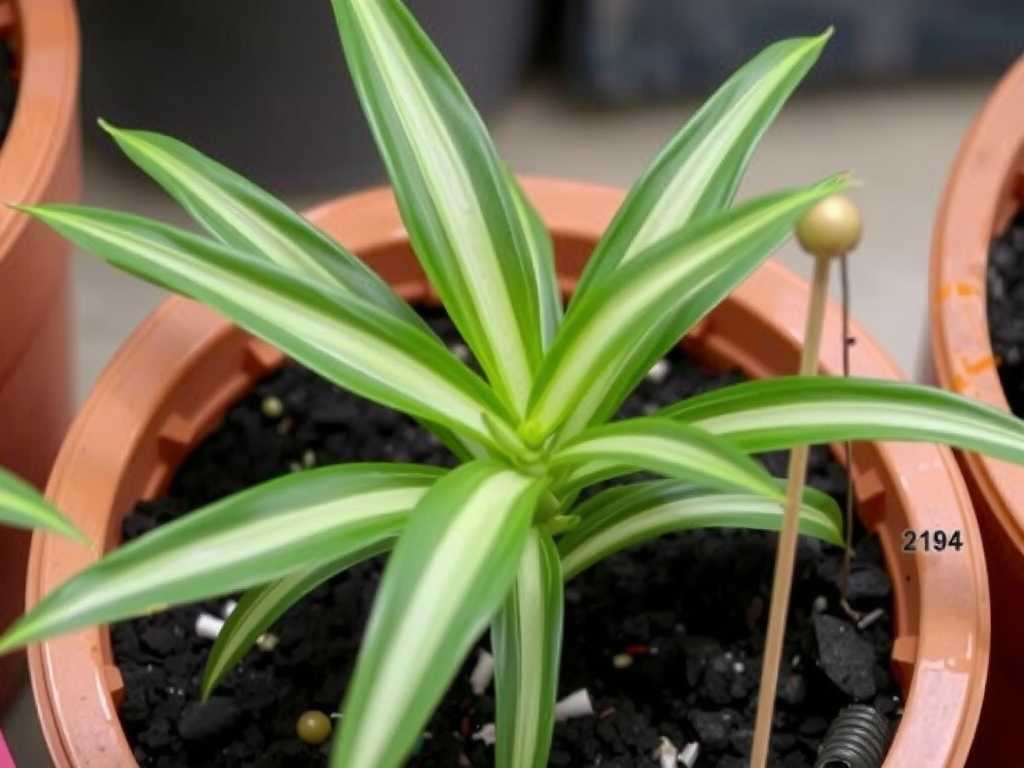
The goal isn’t just to water less; it’s to create a potting environment where excess water can escape freely, leaving the roots moist but not drowned. That’s where soil amendment comes in.
My Toolkit: Choosing the Right Ceramsite for the Job
Before the rescue mission, I gathered my supplies. Not all ceramsite is the same. I chose lightweight expanded clay aggregate (LECA), a specific type of ceramsite. These are small, porous, baked clay balls that are inert, pH-neutral, and excellent for aeration.
- Size Matters: I selected a medium grade (about 10-15mm in diameter). Too fine, and it might not create enough air pockets; too large, and it would take up too much space in the pot.
- The Plant: My suffering Chlorophytum comosum ‘Vittatum’ in a 10-inch plastic pot with only one drainage hole.
- Other Supplies: Fresh, well-draining potting mix (a blend with peat, perlite, and pine bark), a trowel, pruning shears (sterilized with isopropyl alcohol), and a tray.
The Rescue Operation: Step-by-Step Repotting with Ceramsite
Here is the precise process I followed, a method focused on improving potting soil drainage with my chosen amendment.
Step 1: The Unpotting and Root Assessment Gently, I tipped the pot and slid the plant out. The root ball was dense and the soil smelled damp. I carefully teased away the old, compacted soil. The diagnosis was partial root rot—some roots were brown, mushy, and sloughed off easily. Using my sterilized shears, I pruned all the affected roots back to healthy, firm, white tissue.
Step 2: Preparing the New Potting Mix This was the crucial step. I didn’t just add a layer at the bottom—a common myth that can actually create a “perched water table.” Instead, I integrated the ceramsite throughout the soil. My ratio was roughly 2 parts potting mix to 1 part ceramsite. I thoroughly mixed them in a large basin. The ceramsite balls immediately made the blend feel looser and more granular.
Step 3: Strategic Layering and Repotting First, I placed a single layer of ceramsite over the drainage hole. This prevents soil from washing out while maintaining an open channel. Then, I added a base layer of my new ceramsite-mix. I positioned the spider plant at the correct height, filled in around the roots with more mix, and gently tamped it down to eliminate large air pockets. I left about an inch of space at the top for watering.
Step 4: The Initial Watering and Placement I gave the plant a thorough, deep watering until water flowed freely from the drainage hole into the tray, which I promptly emptied. This settled the soil around the roots. I placed it in bright, indirect light and resisted the urge to water again.
The Two-Week Observation: A Plant Transformed
The next 14 days were a lesson in patience and observation.
- Days 1-3: The plant looked a little weary, as expected after the stressful repot and root prune. The remaining leaves held firm, with no new yellowing.
- Days 4-7: This is when I saw the first sign of success. The soil surface dried out noticeably faster than before. I performed the finger test—the top two inches were dry, while deeper down felt cool and lightly moist. Perfect.
- Days 8-14: New growth emerged! A small, bright green leaf spike pushed through from the center of the plant. The existing leaves lost their limpness, becoming turgid and perky. The most convincing evidence? When I lifted the pot, it was significantly lighter than it ever was with the old, water-retentive soil, confirming excellent drainage for houseplant health.
The ceramsite created a network of air pockets and non-absorbent particles, allowing water to drain through quickly while the soil component held just enough moisture for the roots. The dreaded sogginess was gone.
Lessons Learned: The Pitfalls I Encountered and How I Fixed Them
My journey wasn’t flawless. Here’s where I stumbled and how you can avoid it.
Pitfall 1: The “Drainage Layer” Myth. Initially, I made the classic mistake of adding a thick layer of only ceramsite at the pot’s bottom before I knew better. I repotted a different plant this way. Water pooled at the interface between the fine soil and the coarse ceramsite, keeping the lower soil wetter than if I had used soil alone—a phenomenon explained by soil physics regarding perched water tables.
- The Fix: I re-potted it using the integration method. The key is to amend the entire soil volume, not create separate layers. This ensures uniform drainage throughout the root zone.
Pitfall 2: Overwatering Out of Habit. Even with perfect drainage, old habits die hard. My watering schedule was ingrained. I almost watered on “day 7” out of routine, but the soil was still moist an inch down.
- The Fix: I abandoned the calendar. I now water only when the top 1-2 inches of soil are completely dry. The ceramsite mix extended the time between waterings, promoting healthier root growth as they sought out moisture.
Pitfall 3: Ignoring the Root Health First. In my first attempt, I was so focused on the soil fix that I didn’t inspect the roots thoroughly enough. I left some compromised roots behind, and the problem persisted.
- The Fix: During the main repot, I was ruthless but careful. Removing all rotten roots is as vital as providing good soil. It stops the decay from spreading and allows the plant to focus energy on new, healthy roots.
Frequently Asked Questions
Can I use ceramsite on top of the soil as mulch? Yes, you can. A thin layer helps reduce surface evaporation and can discourage fungus gnats. However, for solving waterlogging in spider plant potting soil, top-dressing does nothing for the root zone drainage. Integration is the effective method.
How often should I repot with fresh ceramsite mix? Ceramsite itself is inorganic and doesn’t break down. You likely won’t need to refresh it solely for drainage purposes. Repot every 2-3 years or when the plant becomes root-bound. You can reuse sterilized ceramsite by rinsing it well.
Is ceramsite better than perlite or gravel for drainage? All improve aeration, but they function differently. Perlite can float and crush over time. Gravel is heavy and doesn’t hold air as well. Ceramsite’s porous structure provides excellent balance—it’s lightweight, creates stable air pockets, and is durable. For my spider plants, its consistency and reusability made it the superior choice.
Watching my spider plant rebound from the brink was incredibly rewarding. The yellowing stopped, the new growth is vigorous, and the pot now dries predictably. Adding ceramsite for drainage wasn’t just a quick fix; it was a permanent upgrade to my plant’s home. If you’re battling heavy, soggy soil and the fear of root rot, amending your mix with ceramsite is a practical, proven solution. It transforms the potting environment, giving your spider plant the well-drained foundation it truly needs to thrive. Remember, the goal is happy roots, and happy roots lead to a flourishing, resilient plant.