bluename
 Water Stains on spider plant Leaves: Importance of Timely Wiping After Spraying
I love my spider plants. Their arching green and white leaves bring life to every corner of my home. Like many plant enthusiasts, I believed regular misting was a key part of my care routine, especially to boost humidity. But for the longest time, I was puzzled by the unsightly, chalky white marks that began to mar the beautiful foliage of my Chlorophytum comosum. These water stains on spider plant leaves were more than just a cosmetic issue; they seemed to be slowly dulling my plant's vigor. It wasn't until I delved deeper that I understood the critical importance of timely wiping after spraying. This is my two-week journey from frustration to clarity, documenting the steps I took, the results I observed, and the lessons I learned the hard way.
The Hidden Cost of Neglected Water Droplets
For months, I’d generously spritz my spider plants every other day, feeling like I was giving them a tropical treat. I’d notice the water beads sitting prettily on the leaves and think nothing of it. Over time, however, those droplets evaporated, leaving behind a stubborn residue. The leaves lost their glossy sheen, appearing dusty and unhealthy even right after cleaning. I initially blamed my tap water, but even switching to filtered water didn’t solve the problem completely. The real issue, as confirmed by resources from the Royal Horticultural Society (RHS), was mineral buildup. Tap water contains dissolved salts like calcium and magnesium. When water evaporates, these minerals are deposited directly onto the leaf surface, creating those crusty stains. More critically, this layer can potentially clog the stomata—the tiny pores plants use for breathing and transpiration. The American Horticultural Society (AHA) notes that while light misting can benefit some plants, allowing moisture to sit for extended periods can invite fungal diseases. My well-intentioned care was inadvertently stressing my plants.
My Two-Week Reset Protocol: Wipe, Don’t Just Spray
I decided to conduct a focused experiment on my two most affected spider plants. The goal was clear: eliminate the stains and restore leaf health by adopting a strict post-spraying leaf wiping routine. I committed to a 14-day protocol.
Week 1: The Cleaning Phase
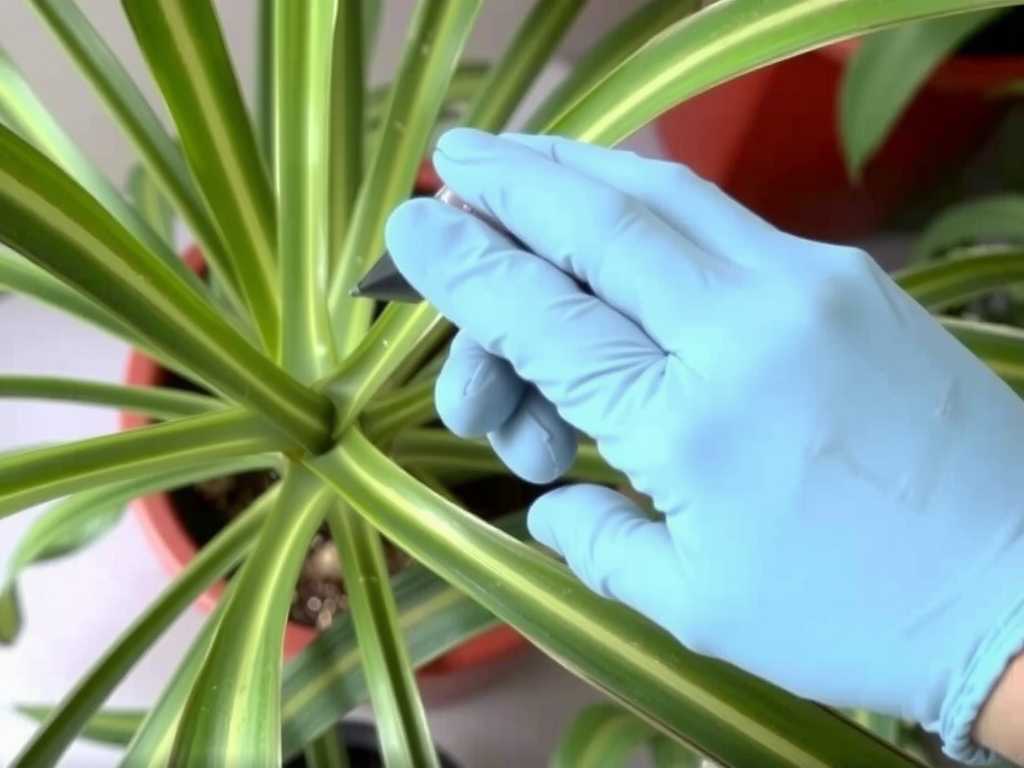
My first step was to address the existing damage. I created a gentle cleaning solution of one part distilled white vinegar to four parts distilled water. Using a soft, microfiber cloth (old t-shirts work perfectly), I gently wiped each leaf, top and bottom. I supported the leaf from underneath with my hand to prevent tearing. The vinegar helped dissolve the mineral deposits without being too harsh. For heavily stained leaves, I had to be patient, sometimes holding the damp cloth against the spot for a minute before wiping. This initial cleaning took over an hour for both plants, a testament to how bad the buildup had become.
After this deep clean, I established my new routine. Every time I misted—which I now reduced to twice a week based on actual humidity readings—I followed it immediately with a gentle wipe-down. I used a dry, clean microfiber cloth to absorb the sprayed water before it could evaporate. The key was timely action after spraying leaves. I couldn’t walk away and do it later; it had to be part of the same, uninterrupted task.
Week 2: Observation and Adjustment
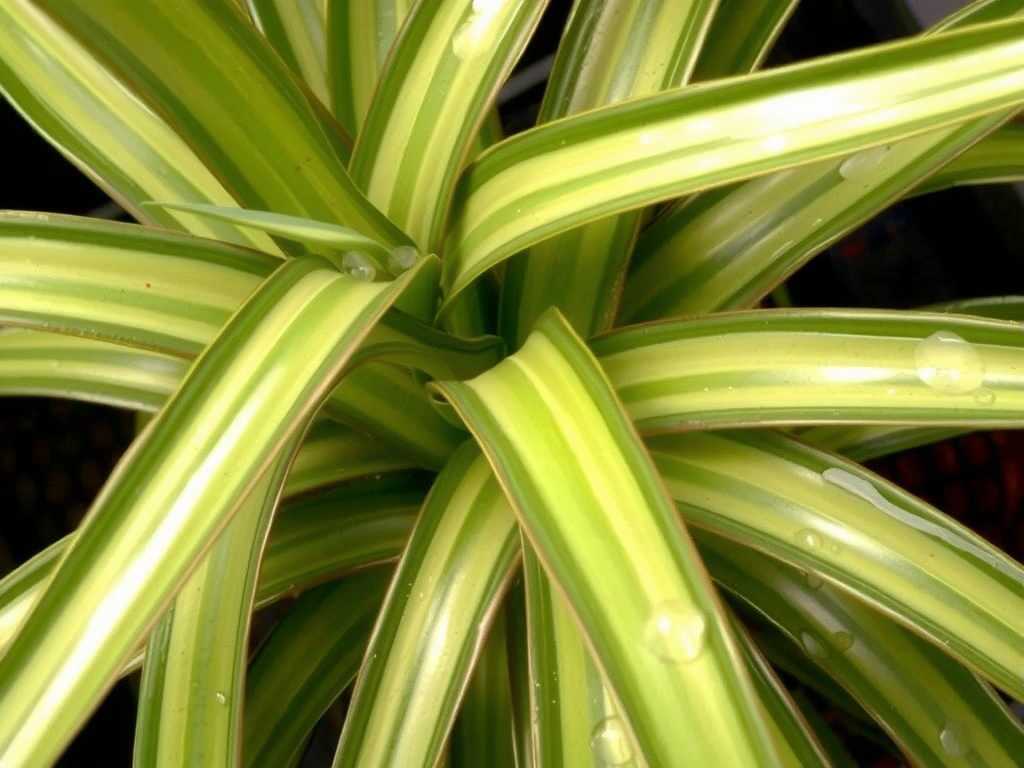
By the second week, the routine became habit. The most immediate change was visual. The leaves, free from their white film, began to regain a natural, healthy gloss. They looked greener and more vibrant. But more importantly, I noticed new growth. The plantlets (spider babies) on my variegated specimen seemed to develop faster, and a new leaf spike emerged from the center of the mother plant with more vigor than I had seen in months. This suggested that the plant was able to photosynthesize more efficiently with clean leaves, a point often emphasized in botany guides about leaf surface permeability.
I also adjusted my misting technique. Instead of a general spray that drenched the plant, I aimed for a finer mist held further away, creating a cloud of moisture in the air around the plant rather than coating the leaves in large droplets. This made the subsequent wiping much easier and more effective.
The Pitfalls I Encountered and How I Solved Them
This process wasn’t without its hiccups. Here are the mistakes I made and how I corrected them.
The "Too Wet" Cloth Problem: Early on, I used a cloth that was too damp for the post-mist wipe. This essentially just smeared the water around and left the leaf too wet, defeating the purpose. Solution: I ensured my wiping cloth was perfectly dry. If it became damp during the process, I switched to a fresh one.
Ignoring the Leaf Undersides: I initially focused only on the top surfaces, which is where stains were most visible. However, spider plants have stomata on both sides of their leaves. Residue on the underside is just as problematic. Solution: I made a conscious effort to gently lift and wipe the underside of each leaf during my routine cleaning and quick post-spray checks.
Overzealous Cleaning: In my first attempt to remove old stains, I used a bit too much pressure and slightly bruised a tender new leaf. Solution: I learned that gentleness is paramount. The wiping motion should be soft and supportive. For stubborn stains, re-applying the vinegar solution and letting it sit briefly is safer than scrubbing.
Inconsistent Timing: The first few days, I sometimes misted in the morning but got distracted and didn’t wipe until the afternoon. The water had already evaporated, leaving a faint new residue. Solution: I blocked out five dedicated minutes for the entire "misting session." I would not pick up the spray bottle unless I had the dry cloth in my other hand and time to finish the job immediately. This commitment to wiping spider plant leaves after misting was the single most important factor for success.
Lasting Benefits and a Simpler Approach
After two weeks, the transformation was undeniable. The water stains were gone, and the plant's overall appearance and growth rate improved. The routine, which felt cumbersome at first, became a quick, mindful part of my plant care. It also forced me to inspect my plants more closely, helping me spot other early issues like slight pest activity or leaf tip browning, which I could then address promptly.
This experience taught me that sometimes, less is more. While misting can be beneficial, doing it without the crucial follow-up step can cause harm. For spider plants, which are relatively tolerant of average humidity, I now question the need for frequent leaf spraying at all. Instead, I focus on ensuring adequate soil moisture and use a pebble tray to increase ambient humidity—a method often recommended by the AHA for creating a stable, micro-climate without wetting the foliage.
Common Questions from Fellow Plant Lovers
Can I use leaf shine products to remove or prevent water stains? I strongly advise against it. Many commercial leaf shine products can clog stomata even worse than mineral deposits. They are purely cosmetic and can interfere with the plant's natural processes. The best "shine" is a healthy, clean leaf. Stick with gentle wiping with water or a dilute vinegar solution for cleaning, and dry wiping for maintenance.
What if I don't have time to wipe every leaf after misting? Then I would reconsider your misting habit. If increasing humidity is the goal, opt for a humidifier or a pebble tray, which are "set-and-forget" solutions. If you enjoy misting for the ritual, do it sparingly and only on days when you have a moment to immediately dab the larger droplets off the leaves with a tissue or cloth. Incomplete care is often riskier than no extra care at all.
My spider plant's leaf tips are still turning brown. Did I not fix the water stain issue? Brown leaf tips on spider plants are a classic sign of fluoride or salt sensitivity, often from tap water, or alternatively, from under-watering. While wiping leaves prevents surface mineral buildup, the salts are still in the water you use for watering. To address this, try watering with distilled, rainwater, or filtered water that has sat out for 24 hours to allow some chemicals to dissipate. This, combined with ensuring consistent soil moisture (not too dry, not soggy), will address the browning from the root cause.
Seeing my spider plants thrive with clean, unblemished leaves has been incredibly rewarding. It shifted my perspective from automated care to thoughtful, observant interaction. The simple act of timely wiping after spraying transformed a source of plant stress into a non-issue, proving that in plant care, the smallest, most consistent actions often yield the most profound results. Your spider plant doesn't need a perfect environment; it needs a caregiver who notices the details and is willing to adapt. Start with a dry cloth, and you might be amazed at the difference it makes.