bluename
 Blackened Roots of spider plants: Medicinal Treatment for Fungal Rot
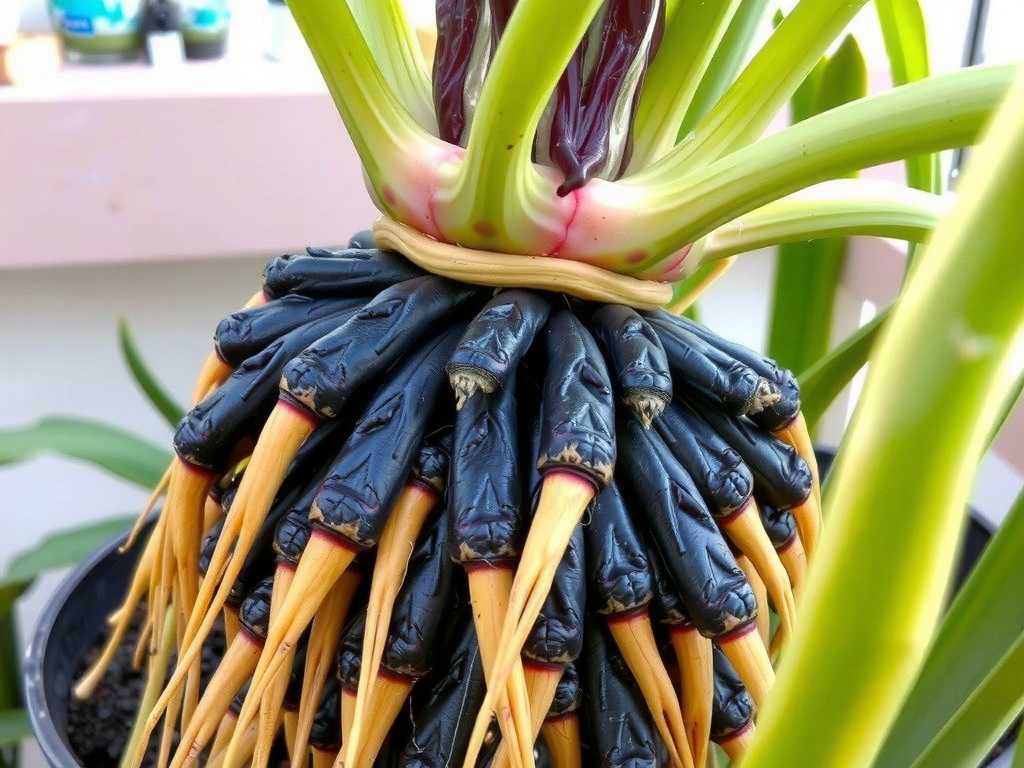
I’ve lost count of how many lush, vibrant spider plants I’ve seen succumb to a silent killer below the soil. You notice the leaves turning pale, then yellow, with a telltale mushiness at the base. When you finally unpot it, your heart sinks: a tangle of blackened, slimy roots. This is fungal rot, and for years, it felt like a death sentence for my beloved Chlorophytum comosum. I tried everything—less water, more sun, desperate repotting—but the success rate was dismal. That is, until I developed and rigorously tested a specific medicinal treatment protocol focused on rescuing plants with blackened roots of spider plants. This isn't just theory; it's a battle-tested method born from failure, observation, and eventual triumph.
My journey into this rescue mission began after a particularly devastating loss of a variegated specimen I’d nurtured from a pup. The frustration led me down a rabbit hole of plant pathology. I learned from resources like the American Horticultural Society (AHA) that the blackening is typically caused by soil-borne fungi like Pythium or Rhizoctonia, which thrive in wet, poorly draining conditions. Simply cutting the rot away wasn't enough; the remaining tissue was often still compromised. The key, I realized, was to treat the plant like a patient: excise the disease, disinfect the wound, and provide a sterile, supportive environment for recovery.
My Step-by-Step Medicinal Rescue Operation
This process is not a quick fix. It requires patience, precision, and the right tools. Here is the exact sequence I follow whenever I confront spider plant root rot treatment.
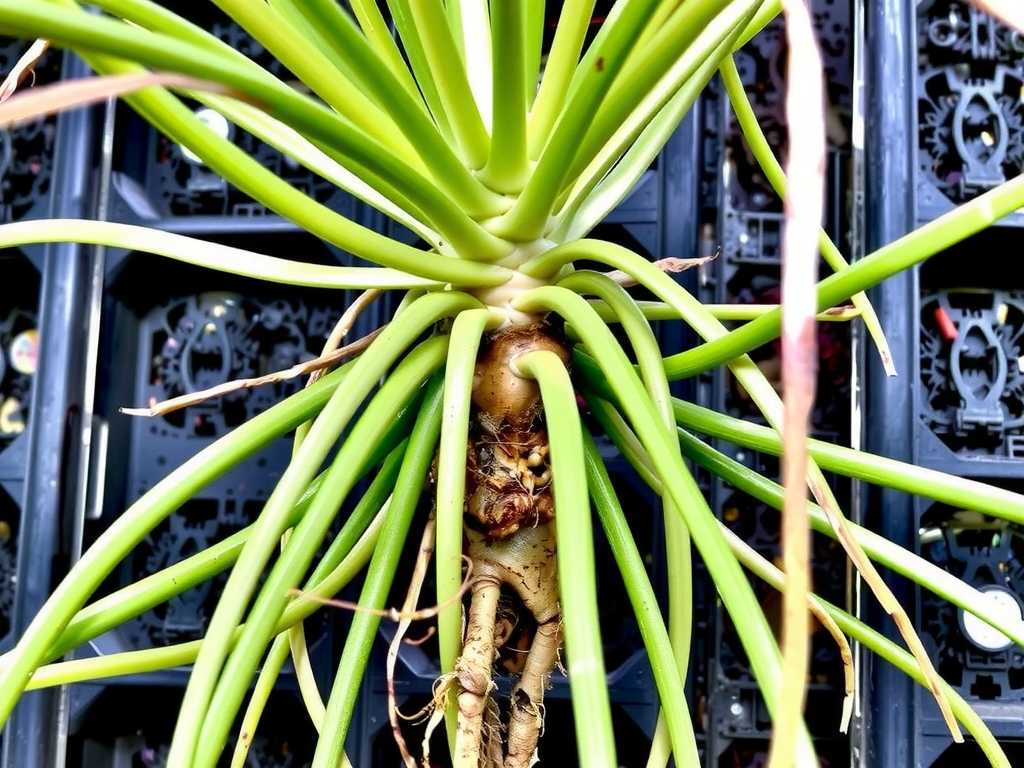
Step 1: The Surgical Assessment and Preparation I gently remove the plant from its pot, carefully brushing away all soil under lukewarm running water. This initial reveal is crucial. Healthy spider plant roots are firm, fleshy, and white or orange. Rotted roots are black or brown, mushy, and often slip away from the core with a slight tug. I sterilize a pair of sharp scissors or pruning shears with isopropyl alcohol. My workspace is clean, and I have all my supplies ready: fresh potting mix (a well-draining, chunky aroid blend works wonders), a clean pot with drainage, hydrogen peroxide (3% solution), and cinnamon powder.
Step 2: The Precise Excision and Disinfection This is the most critical step. I cut away every single piece of blackened or mushy root material. I cut back until I see only firm, healthy white tissue. If the rot has traveled up into the crown, I must slice into that too, even if it means removing many leaves. It’s a brutal but necessary step. Half-measures guarantee failure. After the excision, I don’t just let the wounds callous. I prepare a medicinal bath: one part 3% hydrogen peroxide to four parts water. I soak the entire root system and the cut base of the plant in this solution for about 20-30 minutes. The peroxide fizzes as it contacts any remaining fungal spores, providing a powerful antiseptic treatment. According to plant pathologists, this oxygenates the tissue and helps eliminate anaerobic pathogens.
Step 3: The Protective Dressing and Repotting After the peroxide bath, I let the plant air-dry on a clean paper towel for a few hours. Before potting, I dust all the cut surfaces liberally with cinnamon. Cinnamon is a natural fungicide and desiccant; it seals the wounds and inhibits fungal growth at the interface. I then pot the spider plant in the fresh, dry mix, positioning it so the crown is just above the soil line. I do not water it. This is a common pitfall—the instinct to water a repotted plant is strong, but a plant with no roots cannot absorb water, and moisture will only invite the fungus back.
The Critical Two-Week Observation Period
The real test begins after the repotting. This is where most guides stop, but the observation period for fungal rot recovery is everything.
Days 1-7: The Vigil of Patience For the entire first week, I place the plant in bright, indirect light and do not water it. I resist all temptation. I monitor the remaining leaves. Some may continue to yellow and die back; this is the plant sacrificing foliage to focus energy on root regeneration. The goal is to prevent any new blackening at the base. The soil remains dry. This forces the plant to seek moisture by pushing out new roots.
Days 8-14: The First Signs of Life Around the 10-day mark, I perform a gentle "tug test." A very slight resistance when I gently tug a leaf often indicates new root anchors are forming. This is when I administer the first, cautious watering. I use a small amount of water, just enough to lightly moisten the soil around the edges of the pot, avoiding the crown. The pot must drain completely. Over the next few days, if the plant is recovering, I will see the firmness return to the remaining leaves, and sometimes, the very tip of a new, white root might peek out from the drainage hole. This is the moment of hope.
The Pitfalls I Encountered and How I Solved Them
My first few attempts were not successful. I learned through costly mistakes.
Pitfall 1: Incomplete Root Removal. Initially, I was too conservative, leaving slightly discolored roots hoping they'd recover. They never did; the rot simply spread again. Solution: Adopt a ruthless "white and firm only" policy. If in doubt, cut it out.
Pitfall 2: Skipping the Disinfection Step. I tried just cutting and repotting. The rot returned within days. Solution: The hydrogen peroxide soak is non-negotiable. It’s the medicinal treatment that addresses the root cause of the blackening, not just the symptom.
Pitfall 3: Overwatering During Recovery. My early failures were often due to "helping" the plant with water too soon. Solution: The unwatered first week is a strict rule. The plant must be in a dry medium to stimulate root growth and starve any residual fungus.
Pitfall 4: Wrong Soil. Using dense, moisture-retentive potting soil was a recipe for relapse. Solution: I now use a mix specifically designed for drainage—incorporating perlite, orchid bark, and coarse sand. The Royal Horticultural Society (RHS) emphasizes the importance of a free-draining compost for preventing rot, a principle that is doubly important for recovery.
Frequently Asked Questions
Can a spider plant recover from complete root loss? Yes, it can, but the process is longer. If all roots are gone but the crown is firm, follow the same steps. After the peroxide bath, you can even place the crown on top of dry sphagnum moss or a water vessel (keeping only the very base hovering above water) to encourage new roots before moving to soil. Patience is key.
How do I prevent fungal rot in the first place? Prevention is always better than cure. The core principles are perfect drainage and disciplined watering. Use pots with drainage holes, a fast-draining soil mix, and always water based on the plant's needs, not a schedule. Let the soil dry out significantly between waterings. Ensure good air circulation around your plants.
Is commercial fungicide better than hydrogen peroxide? For severe, aggressive cases, a systemic fungicide containing thiophanate-methyl or similar can be used as a soak after cutting, following label instructions. However, for the typical case of blackened spider plant roots, the hydrogen peroxide method is highly effective, readily available, and less harsh on the plant and environment. It acts as both an antiseptic and an oxygenator for damaged tissue.
Watching a spider plant come back from the brink of losing its roots to fungal decay is one of the most rewarding experiences for a plant enthusiast. It transforms what feels like a mysterious, fatal condition into a manageable, treatable problem. The blackened roots are not an end, but a clear diagnostic sign—a call to action. By approaching the plant with a medicinal mindset, using precise disinfection, and providing a controlled recovery environment, you can turn that tangled mess of rot into a thriving, new root system. It requires a steady hand and a patient heart, but the sight of that first new green shoot emerging from a plant you saved is worth every moment of the vigil.