bluename
 Yellowing Leaves on spider plants: Identification and Iron Supplementation Tips for Iron-Deficiency Chlorosis
There's a special kind of plant-parent heartbreak that comes from watching your vibrant spider plant, once a fountain of green and white, start to fade. The lush green stripes turn pale, then a sickly yellow, while the veins stubbornly stay dark. I’ve been there, staring at my beloved ‘Vittatum,’ feeling utterly confused. Overwatering? Too much sun? It took me some diagnostic digging to understand I was dealing with a classic case of iron-deficiency chlorosis in spider plants.
This specific yellowing isn't random; it's a plant's cry for help, signaling a nutrient lockout. If you see new growth coming in yellow with those distinctive green veins, you're likely facing an iron issue. I want to walk you through exactly how I identified it, the iron supplementation for chlorosis I used, and the real, documented results over a two-week rescue mission.
Understanding Iron Deficiency: More Than Just Yellow Leaves
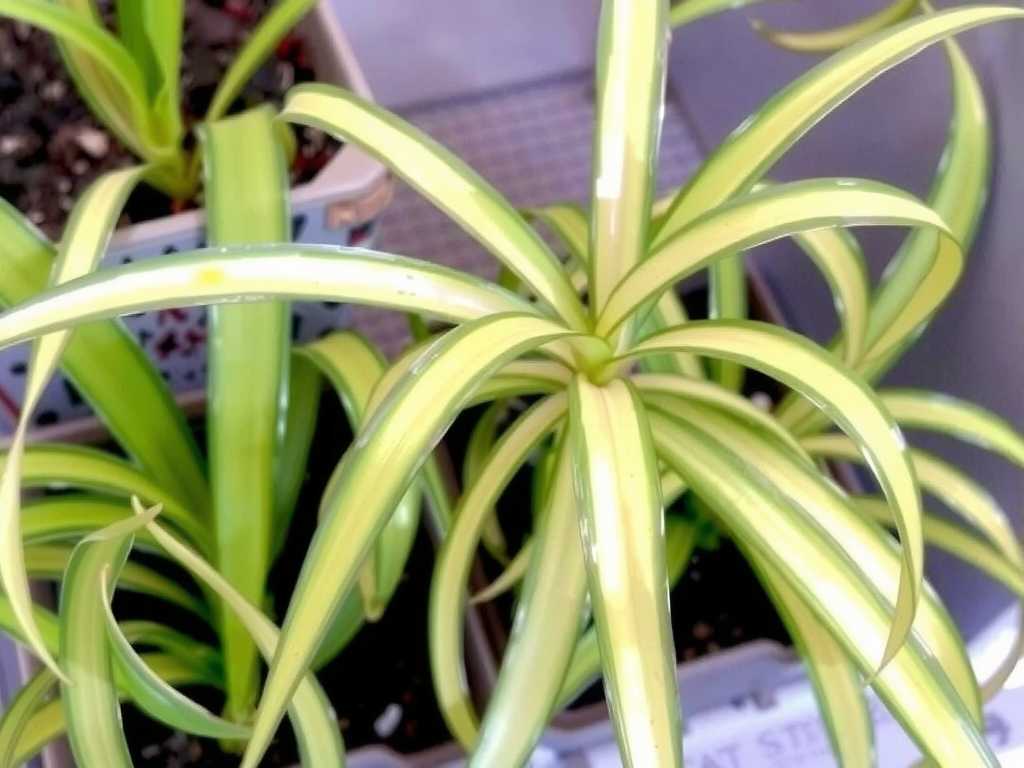
First, let's get our diagnosis right. Not all yellow leaves are created equal. The Royal Horticultural Society (RHS) clearly describes iron chlorosis as interveinal chlorosis—yellowing between the veins while the veins themselves remain green. This typically shows up first on the newest, youngest leaves because iron is immobile within the plant. Older leaves might show issues later if the deficiency becomes severe.
In spider plants, this often happens in alkaline soils (pH above 7.0). Iron becomes chemically "locked up" and unavailable to the roots, even if it's present in the potting mix. My mistake was using a generic, all-purpose potting soil that had become compacted over time, likely shifting its pH. Other culprits can be overwatering, which damages roots and hampers uptake, or simply exhausting the available iron in a pot-bound plant.
My Step-by-Step Rescue Protocol for Iron Chlorosis
I decided on a two-pronged approach: a quick-response foliar spray and a long-term soil correction. Here’s exactly what I did.
Week 1: Immediate Action and Application
Day 1 – Diagnosis and Preparation: I gently lifted my spider plant from its pot. The roots were healthy and white but clearly crowded. This confirmed my suspicion: the soil was exhausted. I prepared a new, well-draining potting mix amended with peat moss (to gently lower pH) and a handful of compost. For treatment, I chose a chelated iron supplement for houseplants. Chelated iron is readily available to plants even in less-than-ideal pH conditions. I purchased a liquid form suitable for both foliar spray and soil drench.
Day 2 – Repotting and First Treatment: After repotting into a slightly larger container with fresh mix, I prepared the iron solution. I followed the label instructions to the letter, even slightly diluting it further for the first application to avoid shock. I divided the solution.
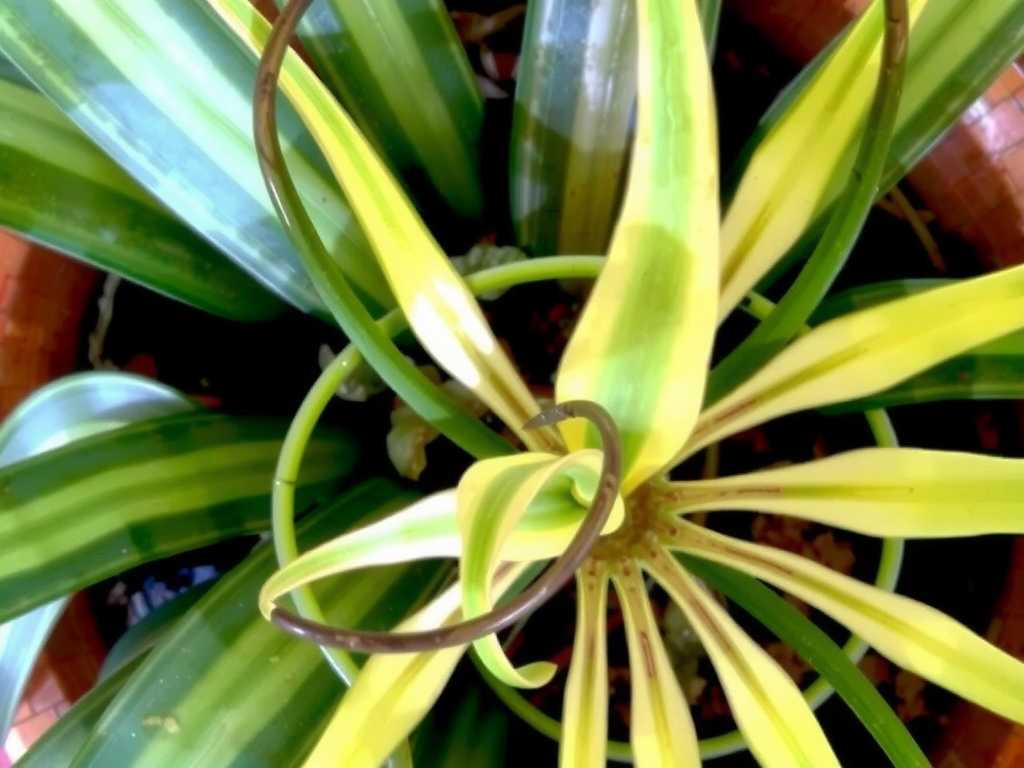
- Foliar Spray: I thoroughly misted the yellowing leaves, especially the undersides, early in the morning to avoid sunburn. The goal was to get iron directly to the chlorophyll-producing cells.
- Soil Drench: I used the remainder to water the soil deeply until it drained from the bottom, ensuring the roots had access.
Days 3-7 – Observation and Adjustment: I placed the plant in bright, indirect light—no direct sun, which can stress it further. I resisted the urge to water or treat again. Over-fertilization is a major pitfall. I simply observed. By Day 5, I noticed the yellowest leaves hadn't magically turned green (they rarely do), but they had stopped getting worse. The plant overall looked less stressed.
The Critical Mistake I Made (And How I Fixed It)
Here’s the biggest pitfall I encountered: impatience. After a week, seeing only "stabilization," I considered a second soil drench. Thankfully, I checked the new growth first. At the very center, a tiny new leaf spear was emerging. It was a healthier, brighter green than the previous yellow growth, but it had slight brown tips.
I realized my error. In my zeal to fix the iron, I had likely over-concentrated the foliar spray, causing minor leaf burn. The American Horticultural Society (AHS) notes that while foliar feeding is fast, proper dilution is critical to avoid damaging leaf tissue. My fix was simple: I stopped all foliar spraying immediately. For the next treatment, I would rely solely on the soil drench method, which is slower but safer for the plant's foliage.
Week 2: The Turning Point and Long-Term Strategy
Day 8 – Second Soil Application: Following the product's recommended 10-14 day schedule, I applied a second, carefully measured chelated iron drench to the soil only. I made sure the plant was lightly moist beforehand to prevent root burn.
Days 9-14 – Documenting Recovery: This is when the real change became visible. The new central leaves grew noticeably. Their color was a definite, solid green with clear white variegation—the classic, healthy pattern of my spider plant. The older, chlorotic leaves remained yellow, but they were no longer the focus. The plant had shifted its energy to producing healthy new growth. The overall complexion of the plant transformed from "sickly" to "recovering and vibrant."
Maintaining Vigor: Preventing Future Deficiencies
Fixing the yellow leaves on spider plants is not a one-time event. It's about adjusting care.
- Watering Wisdom: I now water only when the top inch of soil is dry, using room-temperature water. Cold water can shock roots and exacerbate nutrient uptake problems.
- Fertilizer Choice: I’ve switched to a balanced, liquid fertilizer formulated for houseplants, applied at half-strength during the growing season. I ensure it contains micronutrients, including iron.
- Soil and Pot Check: I’ll repot every 2-3 years to refresh the soil and prevent compaction and pH drift. A slightly acidic to neutral pH is ideal for spider plants.
Your Questions, Answered
Can yellow leaves from iron deficiency turn green again? Unfortunately, leaves that have turned fully yellow due to chlorosis are unlikely to regain their green color. The success of treatment is measured by the health of the new growth. Don't remove the yellow leaves immediately unless they are completely dead, as they still contribute some energy.
How often should I apply iron to my spider plant? Less is more. Always follow the specific product label. A general rule is one soil drench every 4-6 weeks during the active growing season (spring/summer) if a deficiency is confirmed. Continuous over-application can lead to iron toxicity, harming your plant.
Are coffee grounds a good source of iron for spider plants? This is a common DIY tip. While coffee grounds are acidic and can help lower soil pH over time, making existing iron more available, they are not a reliable or quick source of bioavailable iron for plants. For a confirmed, active case of chlorosis, a chelated iron supplement is a far more effective and immediate solution.
Watching my spider plant reclaim its vitality over those two weeks was incredibly rewarding. The journey from confusion to understanding—identifying the specific interveinal yellowing, carefully applying a targeted treatment, and learning from my over-enthusiastic foliar spray mistake—taught me more than any generic care guide could. Iron deficiency chlorosis has a clear signature and a clear solution. With precise identification, patient supplementation, and adjusted long-term care, your spider plant’s fountain of green can flow beautifully once again.