bluename
 After spider plant Root Rot: Selection and Disinfection Treatment of New Soil
There’s a special kind of heartbreak that comes with lifting your beloved spider plant from its pot, only to find a mushy, brown, and foul-smelling tangle where healthy white roots should be. Root rot is a silent killer, often going unnoticed until the damage is severe. I’ve been there, staring at the casualties of overwatering with a mix of guilt and determination. The critical step after rescuing what’s left of the plant isn’t just repotting—it’s choosing and preparing the right new soil. Getting this wrong can send your recovering plant into a second, fatal decline. This guide is born from my own trial, error, and success in navigating after spider plant root rot recovery, focusing entirely on the foundation of its new life: the soil.
Why Your Choice of New Soil is a Matter of Life and Death
When a spider plant survives root rot, its remaining root system is vulnerable and traumatized. It’s been battling a fungal or bacterial infection and has lost significant mass for absorbing water and nutrients. Plopping it back into dense, moisture-retentive soil is like sending a pneumonia patient back into a damp, cold room. The new soil must perform two vital functions: it must provide excellent drainage to prevent a recurrence, and it must be free of the pathogens that likely contributed to the initial rot.
I learned this the hard way. In my early days, I simply used a generic, bagged potting mix. The plant seemed okay for a week, then the yellowing leaves returned. Upon inspection, the few remaining healthy roots were starting to soften again. The soil, while “new” to me, was too heavy and may have harbored unwanted microbes. That failure sent me deep into research and consultation with resources from the Royal Horticultural Society (RHS), which emphasizes the non-negotiable need for “well-draining, open compost” for plants prone to waterlogging.
The Gold Standard: Crafting the Perfect Post-Rot Soil Mix
Through experimentation, I’ve settled on a mix that has never failed me. It’s not just about buying a bag labeled “for succulents” or “well-draining.” It’s about creating the right structure.
My go-to recipe for new soil selection for repotting a recovering spider plant is:
50% High-Quality, Sterile Potting Mix: This forms the base. I look for a mix that contains peat or coconut coir for some moisture retention, but more importantly, it should contain perlite or vermiculite. Avoid mixes with a lot of fine, compost-like material.
30% Perlite: This is the superstar. Perlite are those white, lightweight granules. They don’t absorb water but create crucial air pockets in the soil, ensuring roots have access to oxygen—the very thing they were deprived of during the rot.
20% Orchid Bark (Small/Medium Grade): Adding chunky material like orchid bark further prevents compaction. It mimics a more aerated, natural environment and allows water to flow through freely.
This combination creates a loose, chunky, and incredibly fast-draining medium. When you water it, the moisture hydrates the potting mix base but the excess drains away immediately, thanks to the perlite and bark. This environment encourages the spider plant to push out new, healthy roots in search of moisture, strengthening its system.
The Non-Negotiable Step: Soil Disinfection Treatment
Using fresh components is a good start, but for a plant fresh out of root rot surgery, I take no chances. Pathogens like Pythium or Rhizoctonia, common culprits in root rot, can linger. Therefore, disinfection treatment for contaminated soil is a ritual in my process. I don’t recommend this for healthy plants, but for a recovery case, it’s essential.
Here is my meticulous, two-step disinfection process:
Step 1: The Oven Pasteurization Method
This is my preferred method for the homemade mix. It might sound unusual, but it’s effective for small batches.
I preheat my oven to 200°F (93°C). Temperatures above 180°F (82°C) for 30 minutes are sufficient to kill most harmful pathogens and weed seeds without completely sterilizing and damaging the soil’s beneficial structure.
I evenly spread my pre-mixed soil in a deep, oven-safe dish or on a baking tray covered with aluminum foil.
I lightly moisten the soil with a spray bottle to create steam, which helps in heat penetration.
I insert a meat or candy thermometer into the center of the soil mass.
I bake it until the soil’s core temperature holds at 180°F for 30 minutes. This usually takes about 45-60 minutes total.
I let it cool completely, overnight if possible, before using it. The soil will be very dry, which is perfect for repotting a rot-prone plant.
Step 2: The Hydrogen Peroxide Drench (Post-Repotting)
After repotting my spider plant in the cooled, pasteurized mix, I employ a secondary treatment. I prepare a solution of 1 part 3% hydrogen peroxide to 4 parts water. I use this solution to water the plant thoroughly after repotting. The peroxide introduces extra oxygen to the root zone and has mild antifungal properties, giving the plant a clean, oxygen-rich start. The American Horticultural Society (AHS) notes the usefulness of diluted hydrogen peroxide as a soil drench for oxygenating roots and combating root issues.
My Two-Week Observation Diary: From ICU to Recovery Ward
Repotting day is just the beginning. Here’s how my most recent patient progressed:
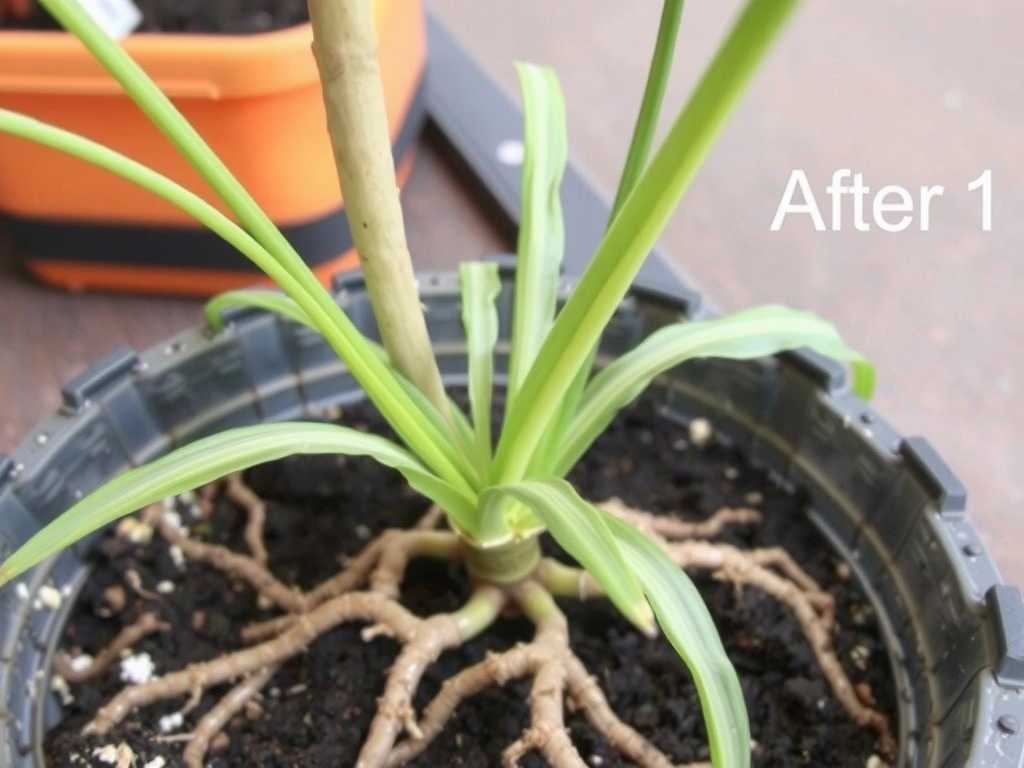
Days 1-3: The plant looked a bit shocked—some leaves were slightly wilted. This is normal after the trauma of root pruning and repotting. I placed it in bright, indirect light and resisted the urge to water again. The soil was, of course, still moist from the peroxide drench.
Days 4-7: The wilting stabilized. No further yellowing appeared. This was the first good sign. I waited until the top 1.5 inches of the chunky mix felt completely dry before giving it a modest drink of plain water.
Days 8-14: In the second week, I noticed the real victory: firmness. The existing leaves felt taut and healthy. Then, at the base, I spotted the tiniest hint of new growth—a pale green nub that could become a new leaf or even a runner. The plant was no longer just surviving; it was investing energy in growth, a sure sign the roots were happy and expanding in their new, safe home.
The "Zero-Tolerance" Maintenance Routine: Real-World Troubleshooting
Getting the soil right is half the battle. Keeping the plant alive in the months following root rot is where patience truly becomes a virtue. Based on my countless trials (and errors), here is the "Zero-Tolerance" routine I follow to ensure the rot never returns.
1. The "Lift and Probe" Technique (How to Water Correctly)
New growers often ask, "How do I know when to water?" I stopped using a calendar years ago. Instead, I use a physical check:
The Lift: Dry soil is surprisingly light. When the plastic nursery pot feels significantly lighter than it does right after watering, it’s time to check.
The Probe: I use a chopstick or a bamboo skewer. I push it deep into the soil near the edge of the pot. If it comes out clean and dry, or with just a hint of dust, it’s time to water. If there is moisture clinging to it, I wait another 2-3 days.
The Rule: During recovery, it is far safer to underwater than overwater. Spider plants are drought-tolerant; they are not rot-tolerant.
2. The "Double Pot" Hack for Drainage
Even with the perfect soil mix, decorative ceramic pots often lack drainage holes or sit in water-collecting saucers. This is a death trap for recovering plants.
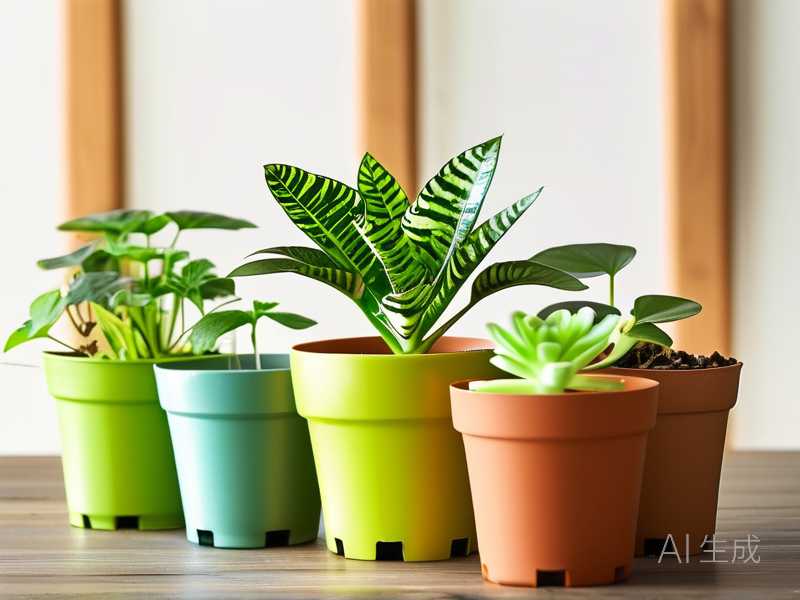
My Solution: I always keep the recovering plant in a plain, ugly plastic nursery pot with ample holes. I place this nursery pot inside a decorative cachepot (a pot without holes) for aesthetics.
The Benefit: When I water, I take the plant to the sink, drench it until water runs freely from the bottom, and let it drain for 15 minutes before putting it back in the decorative pot. This prevents the roots from sitting in "bathtub water," which is the number one cause of root rot relapse.
3. Light Sanity Check: Avoiding "Scorch"
A recovering spider plant is like a patient with thin skin—it’s hypersensitive.
The Mistake: I once moved a rescued plant directly into harsh afternoon sun, thinking it needed energy. The leaves developed large, light brown, crispy patches within 48 hours.
The Fix: I moved it to a "Goldilocks" zone: bright, indirect light. For me, this is 3 feet away from a south-facing window, filtered by a sheer curtain. The light should be bright enough to cast a sharp shadow of your hand on the soil, but not bright enough to burn your skin if you hold it there. If the variegation (white stripes) fades to solid green, it needs more light; if leaves bleach out or get crispy, it needs less.
4. Pest Patrol: The Hidden Threat
Stressed plants release chemical signals that attract pests. Spider mites are the arch-nemesis of the recovering spider plant.
Detection: I check the undersides of leaves weekly with a magnifying glass. Look for tiny moving dots or fine webbing.
Treatment: I avoid harsh chemicals that can shock the roots. My go-to is a mild neem oil solution (1 tsp neem oil + a few drops of mild dish soap + 1 liter of water). I spray the plant thoroughly, especially the undersides, every 5-7 days for two weeks. It’s gentle but effective.
The Pitfalls I Encountered and How You Can Avoid Them
My journey wasn’t without stumbles. Here are the key lessons:
The “Sterile Bagged Mix is Enough” Trap: As mentioned, I assumed a store-bought cactus mix was safe. It wasn’t open enough. Solution: Always amend even “well-draining” mixes with extra perlite. Your finger should easily sink into the mix, and it should look visibly porous.
Overwatering During Recovery: In my anxiety, I’d water too soon, interpreting wilt as thirst when it was often just transplant shock. Solution: Use the "Lift and Probe" method. If there’s any coolness or moisture at your fingertip deep in the pot, wait.
Skipping the Cooling-Off Period: Once, I used warm soil from the oven. The residual heat stressed the already fragile roots. Solution: Let the disinfected soil cool to room temperature. Patience is part of the process.
The "Fertilizer Trap": I thought feeding a weak plant would help. It burned the new roots. Solution: Do not fertilize for at least 2-3 months. The fresh potting mix has enough nutrients. Wait until you see vigorous, established growth.
Frequently Asked Questions
Can I reuse the old pot?
Yes, but only after scrubbing it thoroughly with a bleach solution (1 part bleach to 9 parts water) to kill any adhering pathogens. Rinse it extremely well. However, a new plastic nursery pot is a safer, simpler choice to avoid cross-contamination.
How often should I water after repotting?
There is no schedule. Water only when the soil is almost completely dry throughout. For my mix, in a typical indoor setting, this might mean watering only once every 10-14 days initially. When in doubt, wait another two days.
Should I fertilize my recovering spider plant?
Absolutely not for at least 2-3 months. Fertilizer salts can burn damaged roots and force growth the plant cannot support. Focus on root recovery first.
What if the leaves keep turning yellow after repotting?
If it's just the bottom 1-2 old leaves, that's normal senescence (aging). If it's new growth or multiple leaves, check for:
Rot Relapse: Gently unpot and check if roots are mushy again (unlikely if you used my mix, but possible).
Pests: Check for mites or aphids.
Light Stress: Move it to a more stable light source.
Watching a spider plant come back from root rot is immensely rewarding. The difference between success and failure truly lies beneath the surface. By meticulously selecting a loose, airy soil, disinfecting it, and adhering to a strict "zero-tolerance" watering and light routine, you’re not just giving your plant a new pot—you’re giving it a fortified sanctuary. It’s the most critical act of care after the surgery, turning a rescue mission into a story of thriving regrowth.