bluename
 Mold on spider plant Leaf Undersides: Comprehensive Treatment of Ventilation and Fungicides
I was heartbroken when I first noticed the telltale signs of mold on my spider plant leaf undersides. Those fuzzy white or grayish patches lurking beneath the cheerful green arches were a clear distress signal. If you're here, you've likely spotted the same unwelcome guest. This isn't just a cosmetic issue; it's a symptom of an environment your plant finds stressful. Over the years, I've learned that tackling this problem requires a two-pronged approach: fixing the underlying cause and directly treating the infestation. In this guide, I'll walk you through my comprehensive, step-by-step treatment plan focusing on ventilation adjustments and targeted fungicide use, sharing exactly what worked over a critical two-week period and the mistakes I made along the way.
Understanding the Enemy: What Is This Mold?
Before diving into treatment, it's crucial to know what we're dealing with. The mold on spider plant leaves is typically a saprophytic fungus, often a type of powdery mildew or gray mold (Botrytis). It thrives in stagnant, humid air and on damp leaf surfaces. According to the American Horticultural Society (AHS), these fungi are opportunists, exploiting weak air circulation and excess moisture. They rarely attack healthy, dry foliage in a breezy environment. My initial panic led me to my first mistake: immediately reaching for a spray bottle without diagnosing the conditions that allowed the mold to appear. I treated the symptom, not the cause, and it came back within days.
Week 1: The Immediate Response and Ventilation Overhaul
My two-week treatment clock started the moment I confirmed the infestation. The core keyword, mold on spider plant leaf undersides, was the direct result of poor air flow in my plant's corner.
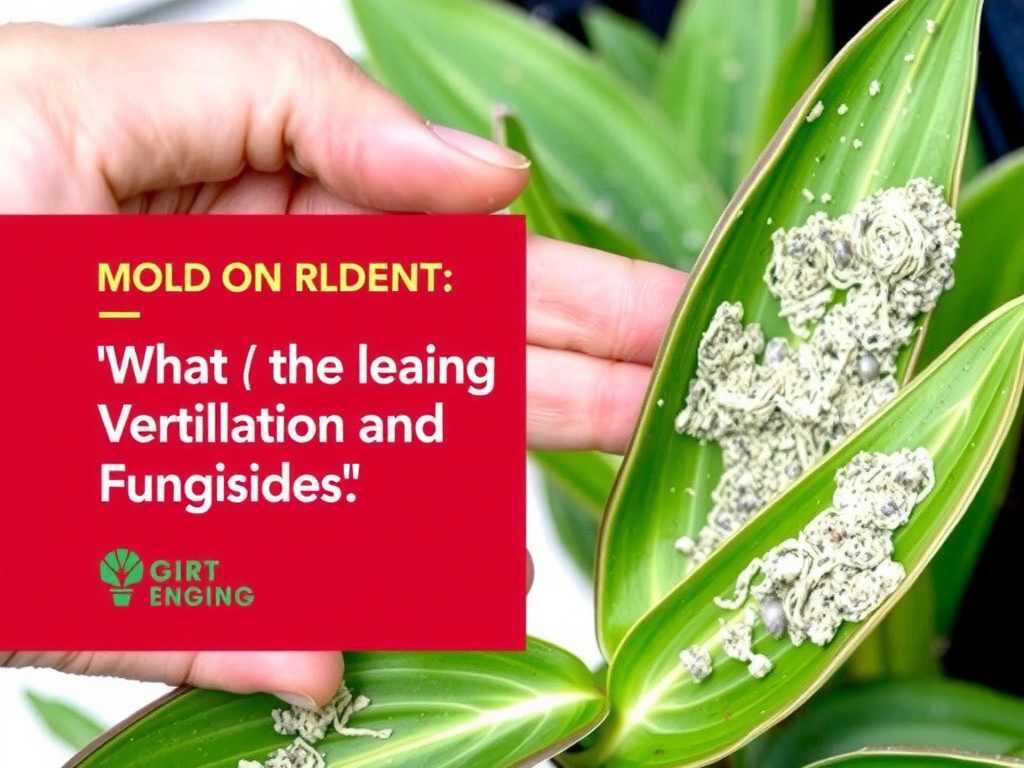
Step 1: Isolation and Initial Assessment I immediately moved the affected spider plant away from my other houseplants to prevent potential spread. I placed it on a separate table near a window but out of direct, harsh sunlight. Using a magnifying glass, I examined the undersides of the leaves thoroughly to assess the extent. The mold was concentrated on about 30% of the older, lower leaves.
Step 2: The Manual Cleaning Process Here, I hit my first significant "pitfall." I initially used a damp paper towel to wipe the mold away. This only smeared the spores and made the leaves wetter, potentially exacerbating the problem. The solution? I let the leaves dry completely and then switched to a soft, dry brush (a clean makeup brush works perfectly). I gently brushed the fuzzy patches off each affected leaf, holding a piece of paper underneath to catch the falling spores. I then immediately disposed of the paper and cleaned the brush with isopropyl alcohol. This dry method prevented adding more moisture.
Step 3: Implementing the Ventilation Strategy This was the most critical long-term fix. The Royal Horticultural Society (RHS) emphasizes that good air circulation is fundamental in preventing fungal issues. My plant was in a decorative but stuffy corner.
- I repositioned the plant to a location with natural air movement from a frequently opened window, but not in a drafty path.
- I introduced a small, oscillating fan placed about six feet away, set on low, to create gentle, indirect air movement across the room for several hours a day. This mimics a natural breeze and helps leaves dry faster after watering.
- I pruned strategically. Using sterilized scissors, I removed the two most severely infected leaves at the base. I also thinned out some of the densest central foliage to allow air to penetrate the plant's heart. This was a game-changer for improving airflow around spider plants.
Step 4: Adjusting Watering Habits I realized my watering routine was contributing. I had been watering on a strict schedule, not based on need. I stopped all overhead watering immediately to avoid wetting the foliage. For the next two weeks, I switched exclusively to bottom-watering. I placed the pot in a saucer of water for about 20 minutes, allowing the soil to soak up moisture from below, then removed it. This kept the leaf undersides and soil surface remarkably dry.
Week 2: Introducing a Fungicidal Treatment
After one week of improved ventilation and dry leaves, the mold had not spread, but some residual spots remained. It was time for a direct treatment to eradicate lingering spores.
Step 5: Selecting and Applying a Fungicide Based on RHS recommendations for houseplant molds, I opted for a readily available, plant-safe copper fungicide. My second pitfall was not doing a patch test. I sprayed it liberally on my first attempt. While the plant was okay, it was an unnecessary risk. The correct method: I mixed the fungicide as per label instructions. Then, I tested it on a single, small leaf, waiting 48 hours to check for phytotoxicity (leaf burn). After confirming it was safe, I proceeded with full application. Using a fine mist sprayer, I thoroughly coated both the tops and undersides of all leaves, ensuring complete coverage. I applied this in the morning so the plant would dry quickly with the help of my fan. I repeated this treatment once, seven days apart, as directed on the product label.
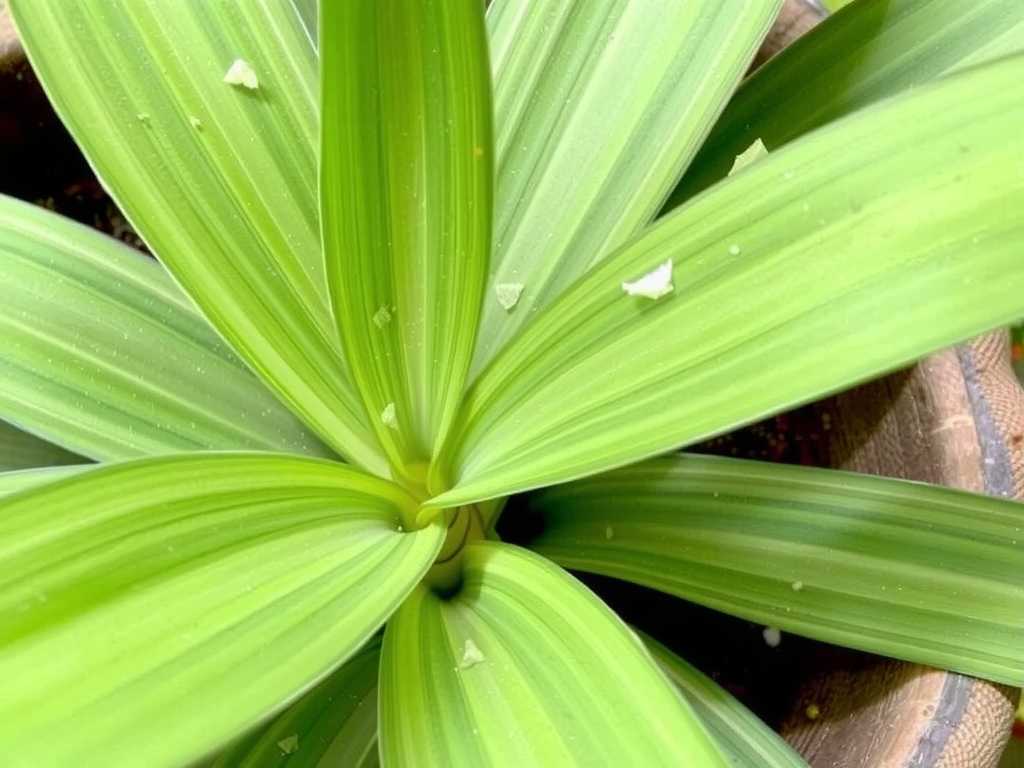
Step 6: Ongoing Monitoring and Environmental Control Throughout the second week, I maintained the new ventilation regime. The fan ran for 4-5 hours daily. I continued bottom-watering only when the top inch of soil was bone dry. Every other day, I would gently lift the leaves to inspect their undersides with a flashlight.
The Two-Week Results: What Changed?
By the end of the 14-day period, the transformation was clear:
- Day 7: The spread of mold had completely halted. The remaining spots looked desiccated and inactive.
- Day 14: The previously affected areas had dried into tiny, flaky scars. No new fuzzy growth appeared. The plant itself seemed perkier, likely due to the improved air circulation and more appropriate watering. The new growth emerging from the center was completely clean and healthy.
Key Lessons from My Mistakes (The Pitfalls and Fixes)
- Pitfall: Wiping mold with a wet cloth.
- Solution: Use a dry, soft brush to dislodge spores without adding moisture.
- Pitfall: Treating only with fungicide without environmental changes.
- Solution: Always address the root cause (stagnant air, overwatering) first. Fungicide is a supporting tool, not a standalone fix.
- Pitfall: Not testing fungicide on a small area first.
- Solution: Always conduct a 48-hour patch test on a single leaf to prevent potential damage to the entire plant.
- Pitfall: Overhead watering during and after treatment.
- Solution: Switch to bottom-watering until the problem is fully resolved and as a long-term preventative measure.
Frequently Asked Questions
Can I use a home remedy like neem oil or baking soda instead of fungicide? Yes, and I have. For mild cases, a neem oil solution (following dilution instructions) can be effective as both a fungicide and preventative. A baking soda spray (1 teaspoon per quart of water with a drop of soap) can alter leaf surface pH, inhibiting fungal growth. In my moderate-to-severe case, I chose a commercial fungicide for a stronger, guaranteed knock-down effect, but these alternatives are excellent for early intervention or maintenance.
Will the mold scars on the leaves ever go away? No, the damaged tissue on the leaves will not heal or turn green again. The affected areas will remain as dry, papery spots. However, as your plant produces new, healthy growth, you can eventually trim away the scarred leaves for a cleaner appearance. Focus on the health of the new foliage.
How can I prevent mold from coming back? Prevention is entirely about environment. Maintain consistent, gentle air movement with a fan. Water only when needed, preferably from below. Avoid crowding your plants. Ensure they receive adequate light. Periodically inspect the undersides of leaves during your regular plant care routine. A happy spider plant in the right conditions is your best defense.
Dealing with mold on your spider plant can feel daunting, but it's a solvable problem. The synergy of correcting your plant's environment—specifically by revolutionizing air flow—and applying a targeted treatment when necessary, is profoundly effective. My spider plant is now more resilient than ever, a testament to the fact that sometimes, the best cure is simply giving a plant the fresh air it quietly craves. Stay observant, adjust your care, and your green companion will thank you with lush, healthy growth.