bluename
 Root Rot of spider plants: Prevention Measures for Potting Soil Waterlogging
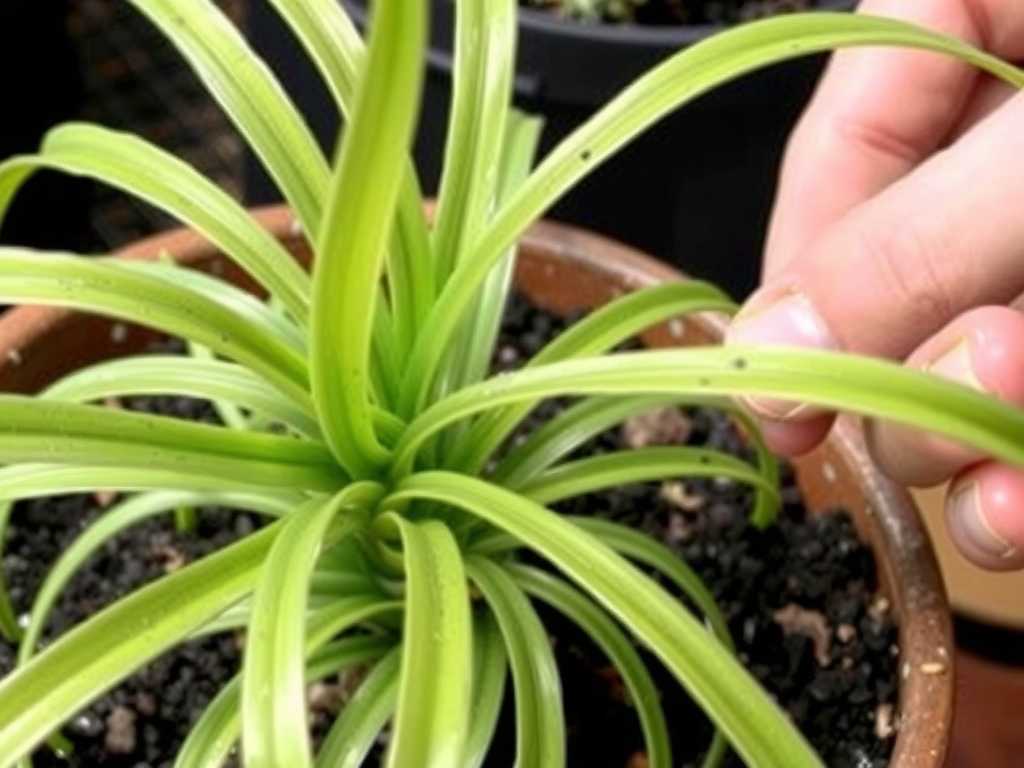
There’s nothing more disheartening for a plant parent than watching a once-vibrant spider plant (Chlorophytum comosum) turn pale, wilt, and develop mushy, brown roots. This silent killer, known as root rot, is almost always a direct consequence of one thing: potting soil waterlogging. Overly wet soil suffocates the roots, creating a perfect environment for harmful fungi to thrive and decay the plant’s very foundation. Understanding and preventing this condition is the single most important skill for keeping your spider plants healthy and flourishing for years to come.
Understanding the Enemy: What is Root Rot?
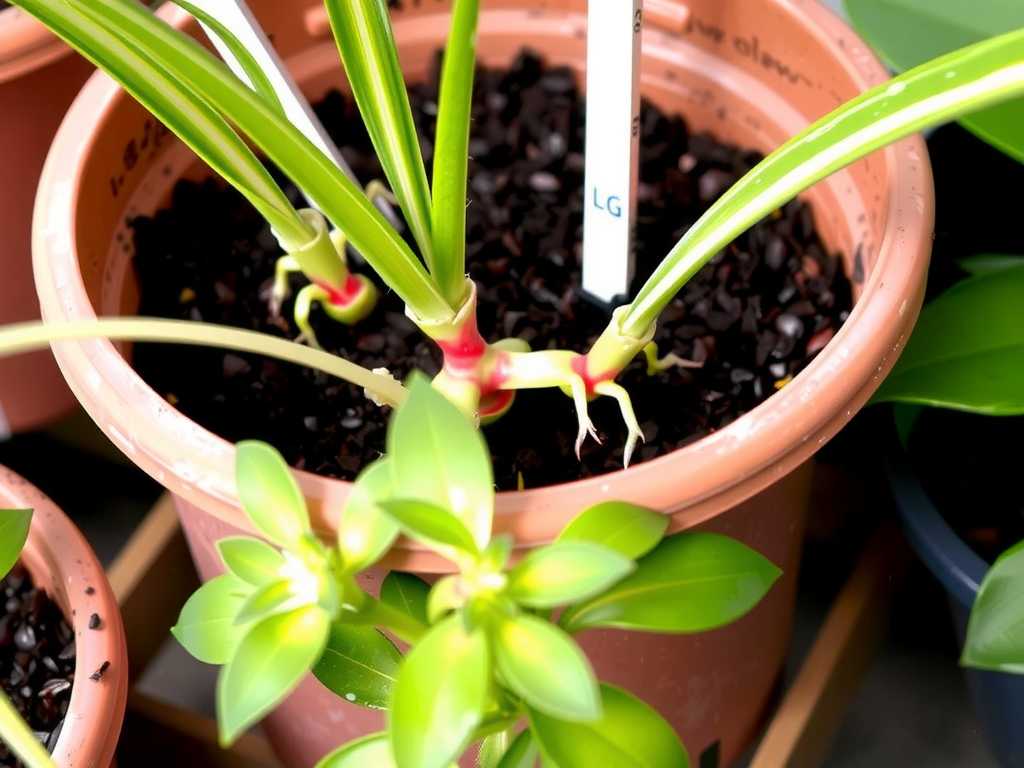
Root rot is a disease, often caused by soil-borne fungi like Pythium, Phytophthora, and Rhizoctonia, that attacks the root system of a plant. In spider plants, the thick, tuberous roots are particularly susceptible. Healthy roots are firm and white or light orange, responsible for absorbing water, oxygen, and nutrients. When soil remains waterlogged for too long, oxygen is pushed out. The roots begin to drown and die, turning soft, brown, or black. This decay not only halts nutrient uptake but also spreads rapidly through the root system and into the crown of the plant.
The Primary Cause: Why Does Potting Soil Become Waterlogged?
Waterlogging occurs when water fills all the air spaces between soil particles. It’s not just about how much you water, but how the water is managed by the entire potting system. Several factors conspire to create this harmful environment:
- Overwatering: This is the most common culprit. Watering on a strict schedule instead of checking the plant’s actual needs leads to consistently wet soil.
- Poor Drainage: A pot without adequate drainage holes is a death sentence. Excess water has nowhere to go, pooling at the bottom and saturating the root zone.
- Inappropriate Potting Mix: Using dense, heavy soil, such as garden soil or a mix without ample aeration, retains moisture for far too long. Spider plants require a loose, well-draining medium.
- Pot Size and Material: An overly large pot holds more soil, which retains more water than a small root system can use. Non-porous materials like plastic or glazed ceramic also slow down evaporation compared to terracotta.
Your Prevention Blueprint: Key Measures to Stop Waterlogging
Preventing root rot is a proactive strategy centered on creating an environment where waterlogging is impossible. Follow these essential measures to build a healthy foundation for your spider plant.
Choosing and Crafting the Perfect Potting Mix The right soil is your first and best defense. A high-quality, well-draining potting mix is non-negotiable. Look for mixes labeled for succulents, cacti, or indoor plants, as these typically contain more inorganic materials. For optimal results, you can create your own tailored blend. A simple and effective recipe is: two parts all-purpose potting soil, one part perlite, and one part coarse horticultural sand or orchid bark. The perlite and bark create permanent air pockets, ensuring water flows through quickly while the soil retains just enough moisture for the roots.
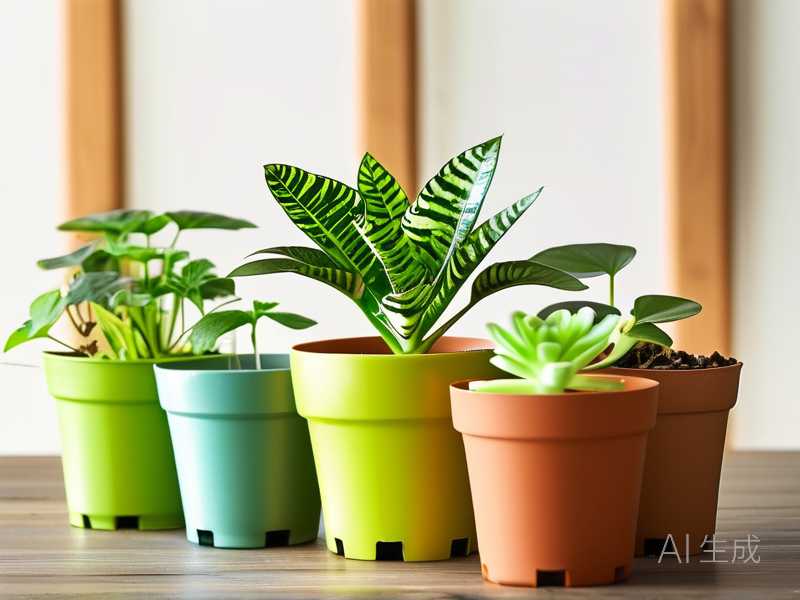
Mastering the Art of the Pot and Drainage Your choice of container is equally critical. Always, without exception, select a pot with multiple drainage holes at the bottom. The pot’s size should be just 1-2 inches larger in diameter than the root ball of your spider plant. This prevents excessive soil from staying wet. For materials, unglazed terracotta pots are excellent as they are porous, allowing the soil to dry more evenly from the sides. If you love a decorative pot without holes, use it as a cache pot: place your spider plant in a plain plastic nursery pot with holes, and then set that inside the decorative one, ensuring you empty any accumulated water after watering.
The "Soak and Dry" Watering Technique Ditch the calendar. The only reliable way to water a spider plant is to check the soil moisture. Insert your finger about 2 inches into the soil. If it feels dry, it’s time to water. When you do water, practice the "thorough soak" method. Take the plant to the sink and water slowly and evenly until you see a steady stream of water flow out of the drainage holes. This ensures the entire root ball is hydrated. Then, let all excess water drain completely before returning the plant to its saucer or decorative pot. Never let the plant sit in standing water.
Optimizing the Environment for Health While less direct, environmental factors influence how quickly soil dries. Spider plants prefer bright, indirect light. A plant in adequate light will use water more efficiently through transpiration than one in a dark corner. Good air circulation around the plant, provided by a gentle fan or open space, also helps evaporate excess moisture from the soil surface and leaves, discouraging fungal growth.
What to Do If You Suspect Root Rot Early detection is key. Signs include yellowing leaves (often starting with the lower leaves), wilting despite wet soil, stunted growth, and a foul smell from the soil. If you suspect rot, act immediately:
- Gently remove the plant from its pot.
- Wash the roots under lukewarm water to remove soil.
- Using sterilized scissors, cut away all soft, mushy, brown, or black roots. Only healthy, firm roots should remain.
- Prune back some of the foliage to reduce stress on the reduced root system.
- Repot the plant in a clean pot with fresh, well-draining potting mix.
- Water lightly and place in bright, indirect light, allowing the plant to recover in slightly drier conditions.
Expert Insight for Lasting Success Renowned horticulturist and author, Jane Perrone, emphasizes the holistic view: "Spider plants are remarkably resilient, but their roots need to breathe. Success lies not in a perfect watering routine, but in creating a physical environment—through soil, pot, and placement—where occasional overwatering is forgiven by the setup itself." This aligns with the principle of building resilience into your plant care system rather than relying on perfect execution every time.
Frequently Asked Questions
Can a spider plant recover from root rot? Yes, if caught early. The success of recovery depends entirely on how much healthy root tissue remains after pruning away all the rot. A plant with a significant portion of healthy roots has a strong chance of bouncing back with proper aftercare.
How often should I really water my spider plant? There is no universal schedule. Frequency depends on pot size, soil type, light levels, temperature, and humidity. The "finger test" is the only reliable method. In typical indoor conditions, this may mean watering every 1-2 weeks, but it can vary widely.
Are moisture meters a good tool to prevent overwatering? Moisture meters can be a helpful tool for beginners to gauge wetness deeper in the pot, but they should not replace tactile observation. Sometimes meters can be inaccurate. Use them as a guide in conjunction with the finger test and observation of your plant's overall appearance.
Keeping your spider plant safe from root rot is a straightforward mission of mimicry: recreate the well-draining, aerated conditions it would enjoy in its natural habitat. By prioritizing a chunky, fast-draining potting mix, insisting on excellent drainage, and watering only when truly needed, you eliminate the risk of waterlogging at its source. This proactive approach allows you to enjoy the graceful arches of green and white foliage, and the cheerful cascade of spiderettes, without the fear of hidden decay. Your spider plant will reward your careful stewardship with vigorous, resilient growth.