bluename
 Spider Mite Infestation on spider plants: Usage Method and Precautions of Spiromesifen
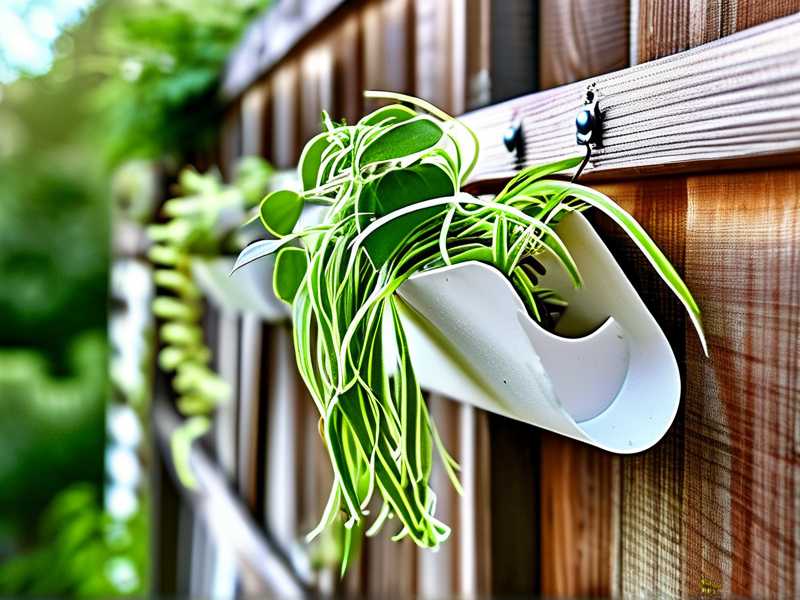
I love my spider plants. Their arching green and white leaves have filled my home with life for years. But last month, I faced every indoor gardener's nightmare: a silent, creeping invasion. The telltale signs were there—fine, dusty webbing under the leaves, a subtle yellow stippling on the foliage, and an overall lackluster appearance. My resilient spider plant was under attack by its namesake pest: spider mites. After trying neem oil and insecticidal soap with only temporary relief, I knew I needed a more robust solution. My research led me to a miticide called Spiromesifen. This article details my hands-on, two-week battle using spiromesifen for spider mite control on my cherished plant, including the exact steps, the results I observed, and the crucial lessons I learned the hard way.
Understanding the Enemy and the Solution: Why Spiromesifen?
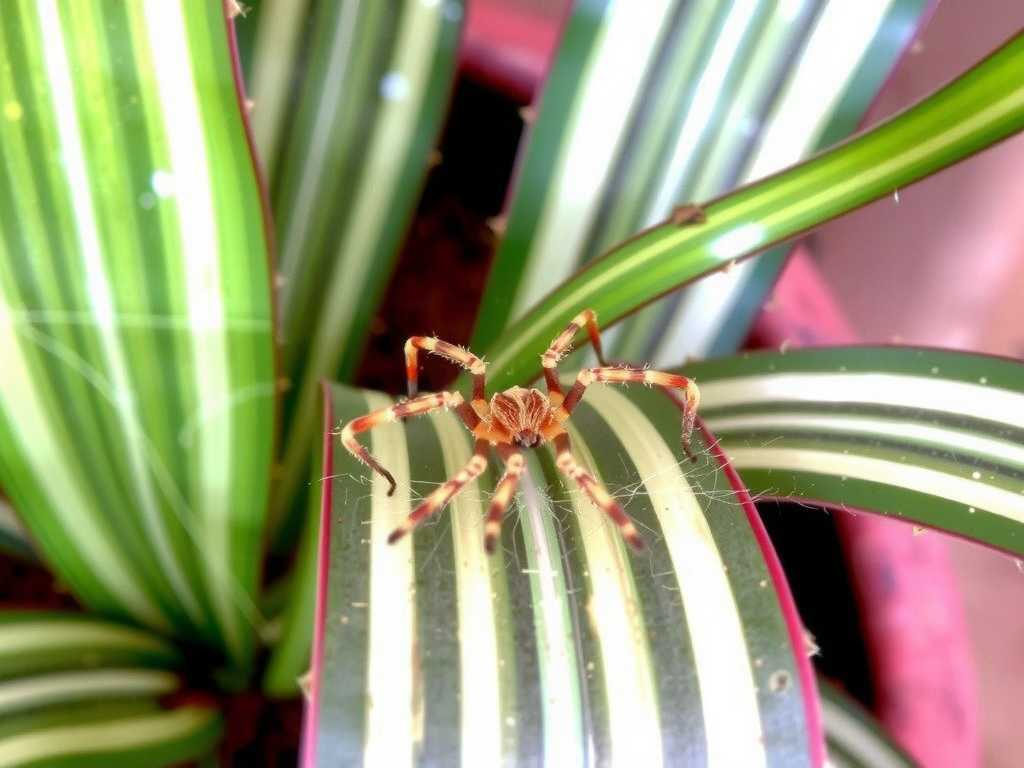
Spider mites are not insects; they are arachnids, which is why many common insecticides are ineffective. They reproduce explosively in warm, dry conditions—exactly what our heated homes provide in winter. According to research cited by the Royal Horticultural Society (RHS), some spider mite populations can develop resistance to certain pesticide modes of action, making rotation and proper product selection critical.
Spiromesifen is a tetronic acid derivative insecticide and miticide. It works primarily as an insect growth regulator, affecting lipid biosynthesis. In simpler terms, it disrupts the development of eggs and immature nymphs, preventing them from maturing into reproducing adults. The American Horticultural Society Alliance (AHSA) notes that products with this mode of action are valuable in Integrated Pest Management (IPM) programs due to their targeted activity and lower impact on some beneficial insects compared to broad-spectrum options. For my spider plant infestation, targeting the lifecycle was key to breaking the population cycle.
My Step-by-Step Application Process of Spiromesifen
Before mixing anything, I put on safety gear: nitrile gloves, safety glasses, and a mask. I read the product label from start to finish—twice. This cannot be overstated. The label is the law and your guide to effective, safe use.
Step 1: Isolation and Preparation I immediately moved the affected spider plant to my bathtub, away from all other houseplants. Using a strong jet of lukewarm water from the showerhead, I gave the plant a thorough shower, focusing on the undersides of the leaves. This physically dislodged a significant number of mites, webbing, and eggs. I let the plant drain completely. Pruning heavily infested or damaged leaves came next, disposing of them in a sealed bag.
Step 2: Precise Mixing and Application My product was a concentrate requiring dilution. Using a dedicated measuring syringe, I mixed the exact amount of spiromesifen miticide into a gallon of water as directed. I never guess. I used a handheld pump sprayer dedicated solely to pesticide application. In a well-ventilated area (I opened the bathroom window wide), I sprayed every single part of the plant until the solution was dripping off the leaves—top surfaces, undersides, stems, and even the soil surface. I made sure to coat all the crevices where mites hide. The process was meticulous and slow.
Step 3: Post-Application Protocol I left the plant in the tub to dry overnight, with the exhaust fan running. The next day, I returned it to its bright, indirect light location but kept it isolated. I marked my calendar for the recommended follow-up application, which for this product was 7 days later, to catch any newly hatched nymphs that survived the first treatment.
The Two-Week Observation Diary: Did It Work?
Days 1-3: After the first application, I saw no immediate "knockdown" of adult mites. This was initially disconcerting but aligned with my research. Spiromesifen is not a contact killer for adults; its strength is in halting the next generation. The existing adults were still slowly moving, but I committed to the process.
Days 4-7: By day four, I noticed the adult activity had significantly slowed. They appeared lethargic. There was no new webbing. I performed the second application exactly on day seven, repeating the thorough spraying process.
Days 8-14: This is where the magic happened. After the second treatment, the remaining adult mites vanished. Critically, over the next week, I inspected daily with a 10x magnifying loupe. I saw no new nymphs hatching. The yellow stippling on the leaves remained (this damage is permanent), but the progression stopped entirely. The plant's overall demeanor changed; it seemed less stressed. By the end of week two, with no signs of live mites in any life stage, I declared the infestation controlled.
The Pitfalls I Encountered and How I Fixed Them
My journey wasn't perfectly smooth. I made a mistake that could have been costly.
The Pitfall: Under-Application and Missed Spots. During my first application, I was nervous about over-saturating the soil. I subconsciously avoided spraying the lower leaf junctions and the base of the plant thoroughly. A few days later, inspecting with my loupe, I spotted a few active mites precisely in those areas I had glossed over.
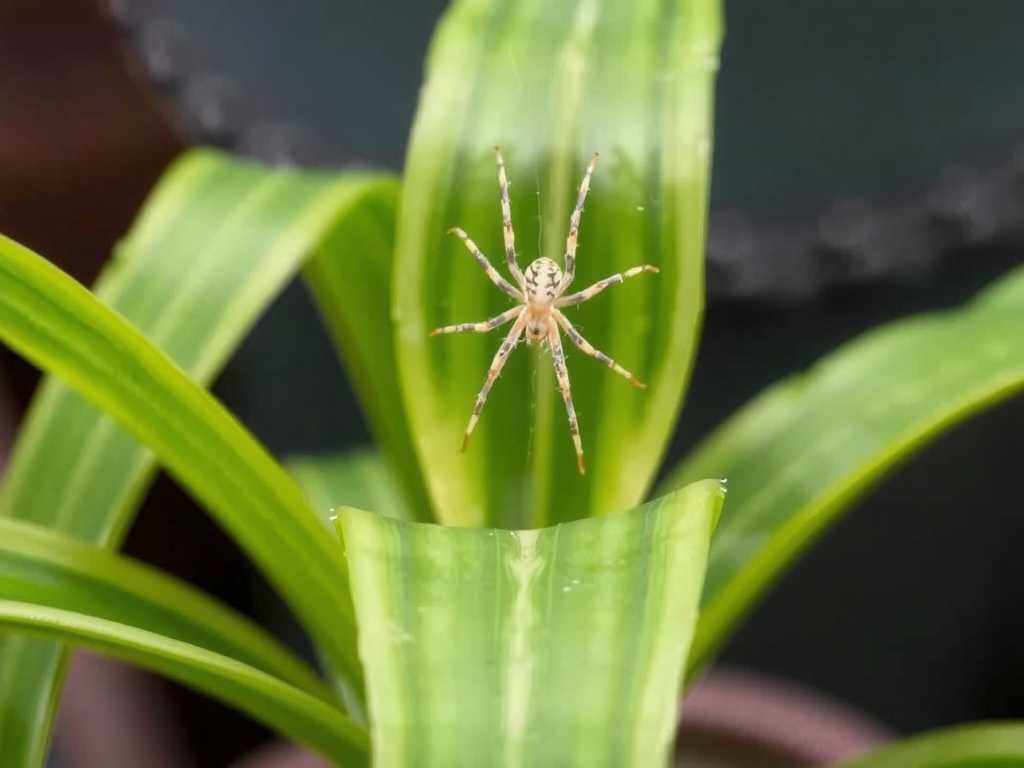
The Solution: Ruthless Thoroughness. For the second application, I changed my approach. I turned the plant pot on its side (covering the soil surface with a paper towel to prevent excessive runoff) and sprayed upward to hit the undersides perfectly. I separated the leaf clusters to get into the heart of the plant. I learned that spider mite treatment with spiromesifen requires complete, uncompromising coverage. Every surface must be contacted by the solution for the strategy to work.
Precautions and Safety: Non-Negotiables Spiromesifen is a low-toxicity chemical for humans when used properly, but precautions are mandatory. I always wore my PPE. I never mixed or sprayed near food, pets, or children. I stored the concentrate in its original container, locked away. I cleaned my sprayer triple-rinsed after use. Protecting pollinators is also crucial; since my plant was indoors, this was controlled, but for outdoor use, applying when bees are not active is essential.
Addressing Common Concerns
Can spiromesifen be used on all houseplants? Always check the product label for a list of approved plants. While generally safe for many ornamentals like spider plants, some species may be sensitive. I tested it on a single leaf first, waiting 48 hours for any phytotoxicity signs before treating the whole plant.
How often should I apply spiromesifen for spider mites? Follow the label interval, typically 7-10 days. Two to three applications are usually needed to break the lifecycle, as the product does not kill adult mites instantly. Consistency is more important than frequency.
Is spiromesifen safe for pets? The dried residue on the plant is considered to have low potential for exposure. However, the key is to keep pets away during application and until the spray has fully dried. I treated my plant in a separate room and kept my cat out for over 24 hours until I was sure the foliage was completely dry.
Seeing my spider plant return to health was deeply satisfying. Dealing with a spider mite infestation on spider plants requires patience, observation, and the right tool for the job. Spiromesifen for spider mite control proved highly effective when applied with precision and consistency, focusing on stopping the pest's future generations. The experience reinforced that the most powerful tools are only as good as the gardener's attention to detail—reading the label, achieving complete coverage, and following through with the entire treatment plan. Now, my plant is not just surviving; it's putting out new, healthy, mite-free growth, and I'm enjoying my green companion once again.