bluename
 The Heartbreak of Root Rot: Your Guide to Disinfecting New Soil for a Healthy spider plant Comeback
Discovering your beloved spider plant suffering from root rot is a disheartening experience for any plant enthusiast. You’ve done the hard work: you’ve carefully removed the plant, trimmed away all the mushy, brown roots, and now you’re left with a healthy portion of the plant ready for a fresh start. But here lies the critical, often overlooked step that can make or break your rescue mission: the disinfection treatment method of new soil. Simply repotting into fresh potting mix is not enough. Pathogens that cause root rot can linger and reinfect your plant if the new environment isn’t properly sanitized. This guide will walk you through the essential, step-by-step process to ensure your spider plant’s second chance is a thriving success.
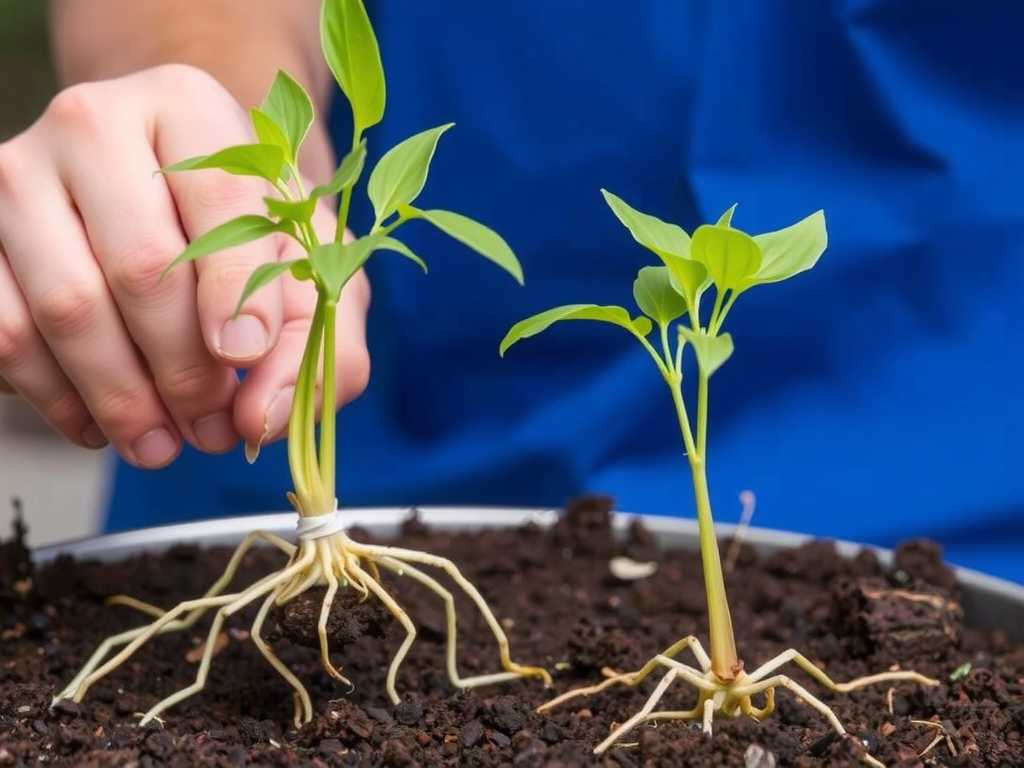
Understanding why this step is non-negotiable is key. Root rot is primarily caused by overwatering in conjunction with fungal or bacterial pathogens like Pythium, Rhizoctonia, or Fusarium. These organisms thrive in wet, anaerobic conditions. While you remove the infected roots from the plant, these microbes can be present in the old soil particles clinging to the pot or even in supposedly "new" bagged soil that isn’t sterile. A proper disinfection treatment method of new soil creates a clean slate, eliminating these threats and giving your spider plant’s fragile new roots a safe space to regenerate.
Why You Can't Skip Soil Disinfection
Many gardeners assume that commercially bagged potting mix is clean and ready to use. However, as noted by plant pathologists at institutions like the University of California Cooperative Extension, bagged soil is not sterile. It can contain dormant spores, eggs of pests like fungus gnats, and other unwanted microorganisms. For a plant recovering from the trauma of root rot, its immune system is compromised. Introducing it to even low levels of pathogens can trigger a relapse. Disinfection is a proactive measure that falls under the "best practices" of plant care, dramatically increasing your chances of a full recovery.
Preparing for the Process: What You'll Need
Before you begin the soil disinfection process for repotting, gather your materials. Having everything on hand makes the procedure smooth and efficient.
You will need:
- Fresh, high-quality, well-draining potting mix. A mix formulated for succulents or cacti, blended with standard potting soil, is excellent for spider plants.
- Your cleaned spider plant pup or parent plant with healthy roots remaining.
- A clean pot. If reusing the old pot, it must be scrubbed and disinfected.
- Materials for soil treatment: options include an oven, a microwave, a steam source, or a natural antifungal agent like cinnamon.
- Tools: a large baking tray or microwave-safe container, aluminum foil, a thermometer (for oven method), and a watering can.
Step-by-Step: How to Disinfect New Soil for Your Spider Plant
This section details the most effective methods. Choose one based on your resources and comfort level.
Method 1: Heat Sterilization (Oven or Microwave)
Heat is one of the most reliable ways to kill pathogens, pests, and weed seeds. It's a crucial technique for the treatment of soil after root rot.
Oven Method:
- Preheat your oven to 200°F (93°C). Do not use a higher temperature, as this can produce toxins and kill beneficial microbes.
- Moisten your potting mix slightly so it's damp but not soggy. Spread it evenly in a baking tray lined with aluminum foil to a depth of no more than 4 inches.
- Cover the tray tightly with another layer of foil to trap steam.
- Insert an oven-safe thermometer into the center of the soil mass. Once the internal temperature reaches 180°F (82°C), bake for 30 minutes.
- Turn off the oven and let the soil cool completely inside, still covered. This may take several hours. Do not use it while warm.
Microwave Method (for smaller quantities):
- Place slightly damp potting mix in a microwave-safe container. Cover it with a microwave-safe lid or vented plastic wrap.
- Microwave on high for 90 seconds per kilogram (roughly 2.2 lbs) of soil.
- Let the covered soil cool completely before use.
Expert Tip: Dr. Linda Chalker-Scott, a horticulture professor and author, advises that while heat sterilization is effective, it can leave a distinctive odor and should be done in a well-ventilated area. The soil will also be devoid of all microbes, good and bad, but will be recolonized over time.
Method 2: Natural Antifungal Amendments
For those seeking a less intensive approach, certain natural additives can inhibit fungal growth and are excellent for preventing spider plant root rot recurrence.
- Cinnamon Powder: A mild natural fungicide. Simply mix a tablespoon of plain cinnamon powder into your fresh potting mix before repotting. It won't sterilize the soil but can help suppress fungal development.
- Activated Charcoal: Adding a small amount of horticultural charcoal to your soil mix improves drainage and filtration, and it possesses natural antibacterial properties that can help keep the root zone cleaner.
- Perlite & Coarse Sand: While not disinfectants, amending your soil with plenty of these materials (aim for 30% amendment to 70% potting soil) creates the fast-draining, aerated environment where root rot pathogens cannot easily thrive. Prevention is the ultimate cure.
The Repotting Procedure: Putting It All Together
- Pot Preparation: Scrub your chosen pot with soap and hot water. Soak it in a solution of 1 part household bleach to 9 parts water for 10 minutes. Rinse thoroughly and let it air dry.
- Soil Preparation: Use your cooled, disinfected soil (or your amended fresh mix). Moisten it lightly until it holds together when squeezed but water does not drip out.
- Planting: Place a layer of soil in the bottom of the pot. Position your spider plant so the base of its leaves is just below the pot's rim. Gently fill in around the roots with your treated soil, tapping the pot to settle it. Do not pack it down tightly.
- Initial Care: Water the plant lightly once, just to settle the soil. Then, place it in bright, indirect light. Do not fertilize. Wait at least 4-6 weeks, or until you see signs of new growth, to resume a normal watering schedule, always checking the soil moisture first.
Post-Treatment Care and Monitoring
Your job isn't over after repotting. The weeks following are a critical observation period. Water only when the top 1-2 inches of soil are completely dry. Spider plants prefer to dry out between waterings. Watch for new, white root growth and the emergence of fresh, green leaves—these are the surest signs of success. The disinfection treatment method of new soil has provided the foundation, but careful watering habits will secure your plant’s future health.
Can I use hydrogen peroxide to disinfect soil for my spider plant? Yes, but with caution. A 3% hydrogen peroxide solution can be used to water the new soil lightly before or after repotting. It breaks down into water and oxygen, helping to aerate the soil and combat anaerobic bacteria. However, it is not a substitute for heat sterilization for a plant recovering from severe rot. It's better as a supplementary treatment.
How often should I change or disinfect the soil for a healthy spider plant? For a healthy spider plant, you do not need to regularly disinfect the soil. Repotting into fresh, high-quality potting mix every 2-3 years, or when the plant becomes root-bound, is sufficient. Disinfection is a specific surgical step for disease recovery, not routine maintenance.
My spider plant survived root rot but isn't producing pups. What's wrong? This is common. The plant has directed all its energy into regenerating its root system. Be patient. Ensure it receives adequate indirect light and minimal stress. Once the root system is re-established, usually in the next growing season, it will likely resume producing its characteristic spider plant babies, or offsets.
Rescuing a spider plant from root rot is a rewarding journey that hinges on attention to detail. By meticulously implementing a proper disinfection treatment for the new soil, you move beyond simple repotting to true rehabilitation. You create a protected, supportive environment that gives your resilient plant the absolute best chance to recover its vigor and grace your home with its arching leaves once more. Remember, the goal is not just survival, but a return to thriving growth.