bluename
 Congratulations on successfully rooting your variegated silver-edge spider plant runner! You've navigated the delicate process of propagation, watching eagerly as those tiny white nubs developed into a healthy root system. But now comes the pivotal, and often anxiety-inducing, question: "My spider plant offshoot has roots… what's the next step to ensure it thrives independently?" This transition from a protected offshoot to a self-sufficient plant is where many enthusiasts encounter setbacks. Improper care at this stage can lead to stunted growth, loss of variegation, or even root rot, undoing all your propagation efforts.
This guide is dedicated to the independent care after offshoot rooting for your variegated spider plant. We will move beyond basic propagation advice and delve into the specific, nuanced practices that empower your new plant to establish itself vigorously, maintaining its stunning silver-edged foliage.
The Critical First Weeks: Establishing Independence
The first four to six weeks after potting your rooted runner are a probationary period. The plant is shifting from relying on the mother plant's resources to sustaining itself. Your goal is to minimize stress and encourage rapid root establishment in its new medium.
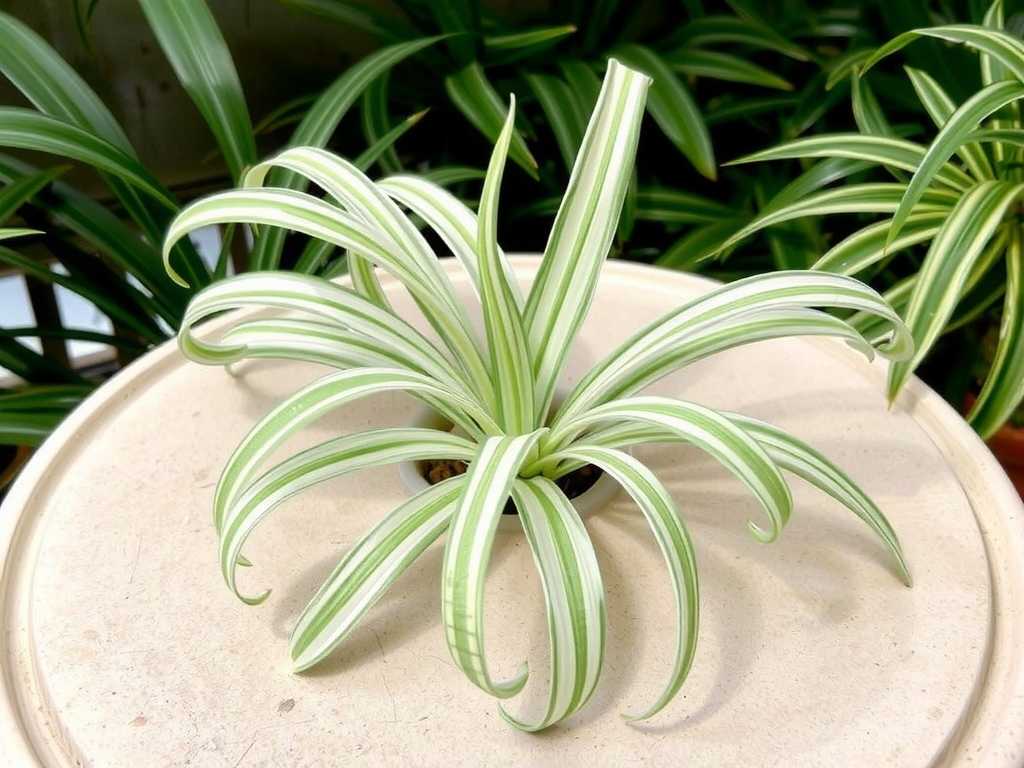
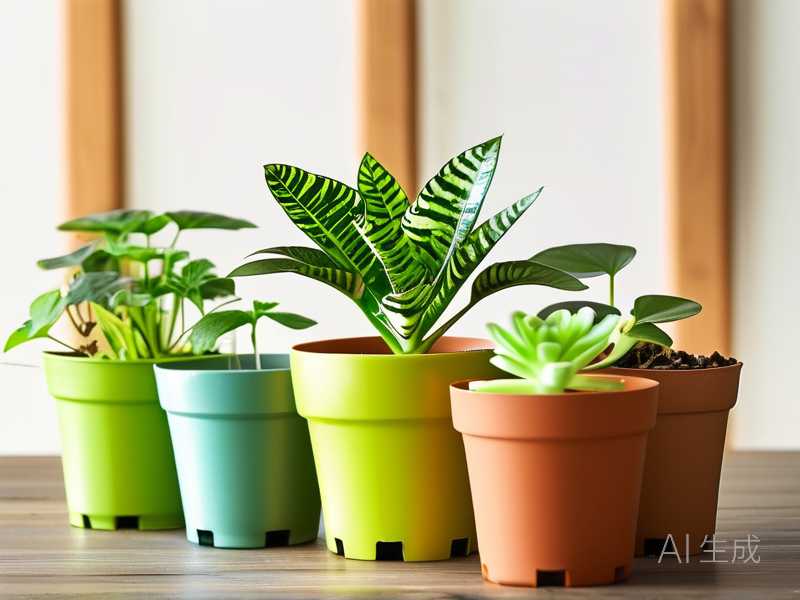
Choosing the Right Initial Pot and Soil Resist the temptation to place your small offshoot in a large, decorative pot. A container that is 1-2 inches wider in diameter than the root ball is ideal. A pot roughly 3-4 inches across is typically perfect. This size prevents excess soil from retaining too much moisture, which is the primary cause of root rot in new plants. Ensure the pot has adequate drainage holes.
The soil mix is non-negotiable for success. A well-draining, peat-based potting mix is essential. As noted by horticulturist Linda Chalker-Scott, Ph.D., in her work on soil amendments, proper aeration prevents pathogen growth. You can enhance a standard potting mix by adding 30% perlite or coarse sand. This creates the loose, aerated environment spider plant roots crave, allowing them to breathe and expand easily.
The Initial Watering Protocol Watering at this stage is a delicate balance. Your first action after potting should be a thorough, gentle watering until water flows freely from the drainage holes. This settles the soil around the roots and eliminates air pockets. Thereafter, adopt the "soak and dry" method. Insert your finger about an inch into the soil. Water only when the top inch feels completely dry. This encourages the roots to grow outward in search of moisture, building a stronger system. Overwatering, keeping the soil constantly damp, is your greatest enemy.
Optimizing Light for Variegation and Vigor
Light is the engine of growth and the keeper of your plant's prized variegation. The silver-edge spider plant has specific needs to maintain its striking leaf margins.
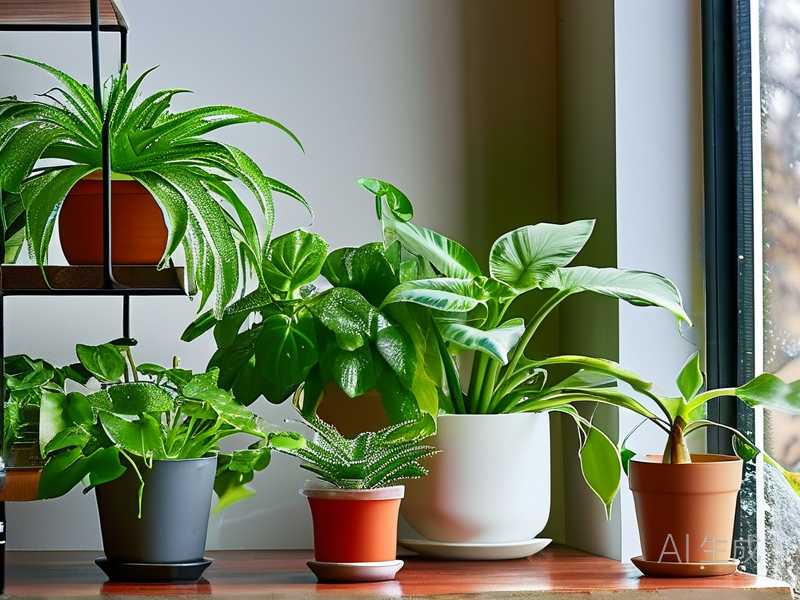
Ideal Light Conditions for Foliage Development Bright, indirect light is the gold standard. An east-facing window or a spot a few feet back from a south- or west-facing window is perfect. The soft morning sun from an east exposure is particularly beneficial. Insufficient light will cause the plant to produce more chlorophyll to survive, leading to a gradual fading of the creamy-white and silver stripes—the variegation will become less distinct. Conversely, prolonged exposure to harsh, direct afternoon sun can scorch the leaves, causing brown, crispy tips and bleached-out patches.
Adjusting Light Through the Seasons Be prepared to adjust your plant's location with the changing seasons. The weaker winter sun may allow for a spot closer to a south-facing window, while the intense summer sun may necessitate pulling it further back or using a sheer curtain as a filter. Observing your plant's leaf color and tip health is the best guide.
Advanced Nutritional Support for Robust Growth
A newly independent plant has modest but crucial nutritional needs. Its primary focus is root and leaf development, not immediate flowering or producing its own runners.
When and How to Begin Fertilizing Do not fertilize your new plant immediately. The fresh potting mix contains enough nutrients for the first 4-8 weeks. Introducing fertilizer too soon can chemically burn the tender new roots. Begin a regular feeding schedule after this initial period. During the active growing season (spring and summer), feed your variegated spider plant with a balanced, water-soluble fertilizer (such as a 10-10-10 or 20-20-20 formula) diluted to half-strength. Apply this once per month. A study on nutrient management for foliage plants emphasizes that "consistent, diluted feeding promotes steady growth without salt buildup."
Key Nutrients for Leaf Health and Color A balanced fertilizer supports overall health. However, to specifically enhance the lush green and bright variegation, ensure your fertilizer includes micronutrients like magnesium and iron. These are vital for chlorophyll production and overall leaf vitality, making the contrast between green and silver more pronounced.
Long-Term Maintenance and Troubleshooting
Once your plant has settled, consistent care will ensure it matures into a stunning specimen that may eventually produce its own runners.
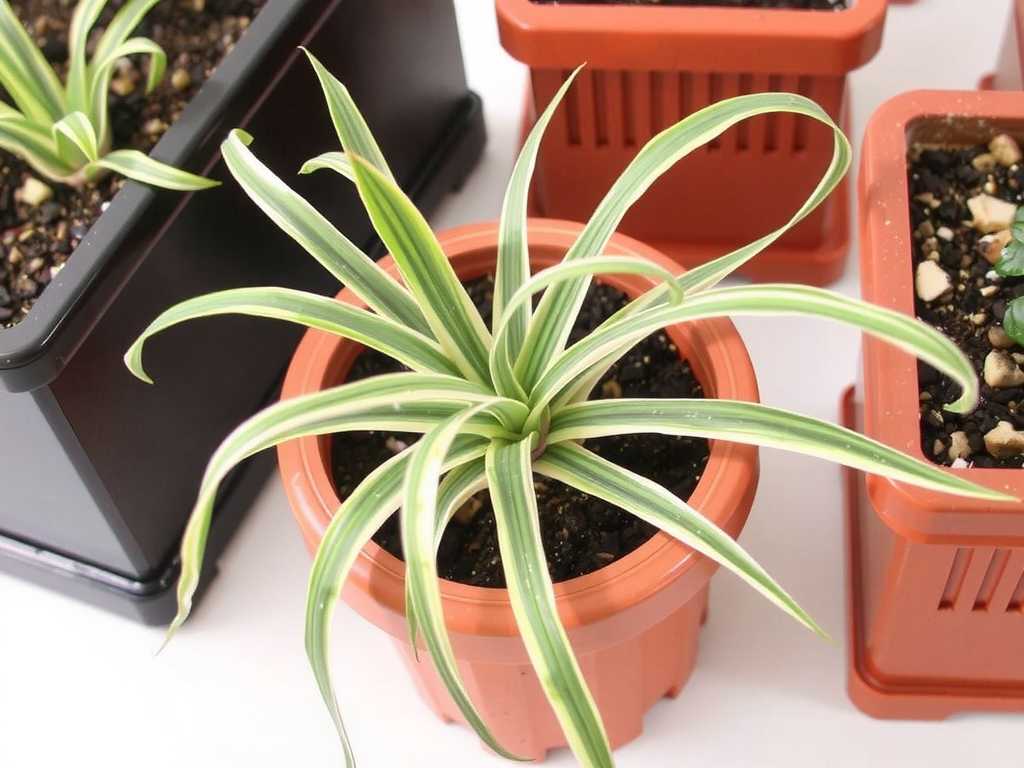
Pruning and Grooming for Aesthetic Appeal Spider plants are famously resilient, but they benefit from grooming. Regularly use clean, sharp scissors to trim away any brown leaf tips at a slight angle, following the leaf's natural shape. Remove any leaves that are entirely yellow or damaged at the base. This directs the plant's energy toward new, healthy growth and maintains a tidy appearance.
Recognizing and Solving Common Issues
- Brown Leaf Tips: This is the most common complaint. It is typically caused by fluoride or chlorine in tap water, low humidity, or occasional underwatering. Using distilled, rainwater, or tap water that has been left out for 24 hours can often solve this.
- Pale Leaves/Loss of Variegation: A direct signal for more bright, indirect light.
- Soft, Mushy Bases or Wilting: A classic sign of overwatering and potential root rot. Check the soil moisture immediately and let the plant dry out thoroughly. In severe cases, you may need to repot into fresh, dry soil after removing any rotted roots.
When to Consider Repotting Your plant will tell you when it's ready for a new home. Signs include roots growing out of the drainage holes, the plant becoming top-heavy and tipping over, or soil that dries out remarkably quickly. Typically, a healthy variegated spider plant will need repotting every 1-2 years. Move up to a pot only one size larger to maintain a healthy root-to-soil ratio.
How often should I water my newly potted spider plant offshoot? There is no fixed weekly schedule. Always check the soil moisture first. Water thoroughly only when the top inch of soil is dry to the touch. This could be every 7-10 days, but it depends entirely on your home's temperature, humidity, and light conditions.
Why are the edges of my variegated spider plant turning solid green? This is a direct response to low light. The plant is producing more green chlorophyll to capture more energy. To restore and maintain the beautiful silver-edged variegation, move your plant to a brighter location with plenty of indirect sunlight.
When will my new plant start producing its own runners or "babies"? A spider plant must reach a certain level of maturity and feel slightly pot-bound before it invests energy in reproduction via runners. This typically doesn't happen in the first season. Focus on providing excellent core care—bright indirect light, appropriate watering, and monthly diluted feeding during growth seasons. Once it's happily established and root-filled, it will naturally begin to produce its own offshoots, continuing the cycle.
Successfully transitioning your rooted variegated silver-edge spider plant offshoot into a thriving independent plant is a rewarding journey. By mastering the principles of appropriate potting, mindful watering, optimized lighting, and gentle nutrition, you create an environment where it can confidently establish itself. Pay close attention to its signals—the firmness of its leaves, the color of its stripes, the moisture of its soil. With this attentive care, your propagated plant will quickly grow into a robust, beautiful centerpiece, ready to eventually grace you with its own runners, allowing you to share the joy of propagation all over again.