bluename
 spider plant Propagation in Winter: Use of Insulated Seedling Trays Indoors
Winter can feel like a hard stop for gardeners, especially when you're eager to propagate new plants. You see those healthy spider plant babies (or spiderettes) dangling from the mother plant and wonder: can I successfully start new spider plants during the cold months? The answer is a definitive yes. The secret to thriving winter propagation lies in mastering a controlled indoor environment, and one of the most effective tools for this is the insulated seedling tray. This method solves the core winter challenges of low light, dry air, and, most critically, inconsistent soil temperature that can stunt root development or cause rot.
While spider plants (Chlorophytum comosum) are famously resilient, propagating them in winter requires a slight shift in strategy. Moving the process indoors is essential, but simply placing a pot on a cool windowsill often leads to disappointment. This guide will walk you through the precise steps of using insulated seedling trays to create a perfect microclimate for your spider plant cuttings or plantlets, ensuring vigorous root growth even when it's frosty outside.
Why Insulated Seedling Trays Are a Game-Changer for Winter Propagation
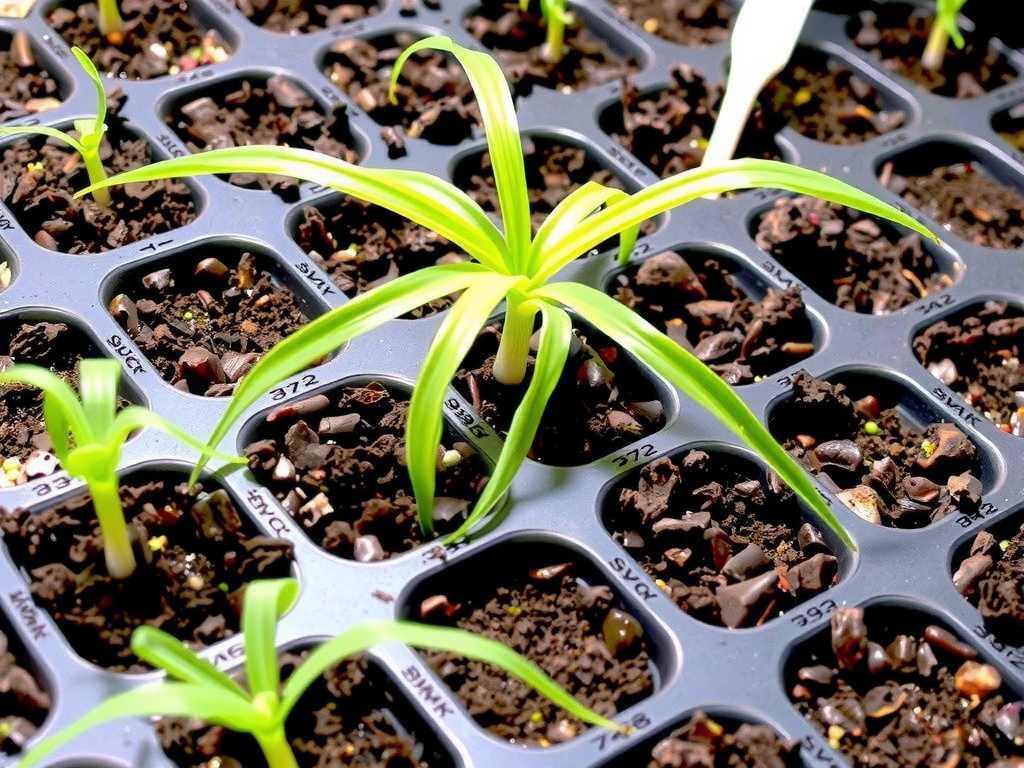
Traditional propagation in pots or water can be tricky in winter. Pots lose heat quickly, especially near windows, leading to cold soil that shocks tender new roots. Insulated seedling trays, often made with double-walled plastic or foam, are designed to maintain a more stable and warmer root zone temperature. This thermal stability is the single most important factor for successful winter propagation.
A study published in the Journal of Horticultural Science & Biotechnology emphasized that consistent bottom heat can accelerate root initiation and improve overall seedling vigor. While we’re not using heating mats here, the insulation principle is similar. The tray acts as a buffer against cold drafts from windowsills or floors. For spider plants, which prefer soil temperatures above 70°F (21°C) for optimal rooting, this buffer is invaluable. It mimics the warm, protected conditions of their native subtropical habitats, effectively extending the growing season year-round.
Getting Started: Materials and Preparation
Before you snip any spiderettes, gather your supplies. Having everything ready streamlines the process and minimizes stress for the plant.
You will need:
- A healthy, mature spider plant with developed plantlets (spiderettes).
- Sharp, sterilized scissors or pruning shears.
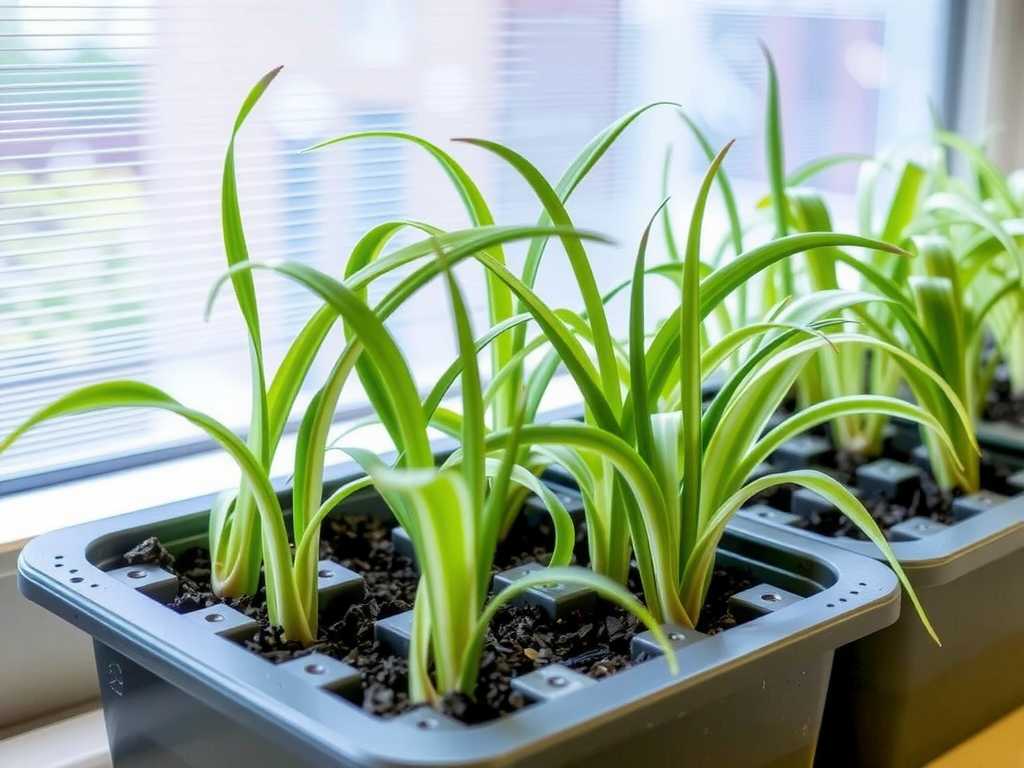
- Insulated seedling trays with a clear humidity dome. Standard 10"x20" trays are perfect.
- A well-draining, sterile potting mix. A 50/50 blend of seed starting mix and perlite is ideal.
- A small watering can with a fine rose or a spray bottle.
- Optional: Rooting hormone powder or gel (can speed up the process but is not essential).
Begin by preparing your potting mix. Moisten it thoroughly so it is damp like a wrung-out sponge, not soggy. Fill the cells of your insulated tray with the mix, gently firming it down. The insulation in the tray walls will now start working to keep this medium at a stable temperature.
Step-by-Step: Propagating in Your Insulated Tray
Selecting and Preparing the Spiderettes Choose spiderettes that are a good size—typically those that have begun developing small, knobby protrusions at their base, which are the start of aerial roots. According to horticulturist Dr. Linda Chalker-Scott, selecting plantlets that have already initiated root primordia significantly increases success rates. Using your clean shears, cut the runner (stolon) about an inch below the plantlet.
Planting and Creating the Ideal Microclimate Make a small hole in the center of each prepared cell in your tray. Place the base of the spiderette into the hole, ensuring the root nodules are in contact with the soil. Gently firm the mix around it. Repeat for as many plantlets as you have. Do not bury the leaves.
Here’s where the tray system shines. Lightly mist the soil surface with water. Then, place the clear plastic humidity dome over the tray. This dome serves two critical functions in winter: it maintains high humidity around the leaves (countering dry indoor heating) and further enhances the insulated tray’s ability to retain warmth. Place the entire setup in a location with bright, indirect light. A spot a few feet back from a south or east-facing window is perfect. Avoid direct hot sun, as the dome can magnify heat.
Ongoing Care and Monitoring for Root Growth Your role now is to monitor and maintain. Check the tray daily. Condensation on the dome is good; it indicates proper humidity. If excess water pools, lift the dome for an hour to allow airflow and prevent fungal issues like damping off. Water only when the top surface of the soil feels dry to the touch, using your spray bottle or a gentle pour. The insulated tray will reduce the frequency of watering needed compared to an uninsulated pot.
Within two to four weeks, you should notice new growth emerging from the center of the plantlet—a sure sign of root establishment. You can also give a very gentle tug; if there’s resistance, roots have formed.
Transitioning to Permanent Pots Once your spider plants have developed a healthy root system visible at the drainage holes of the cells, they are ready to be potted up. Acclimate them first by removing the humidity dome for increasingly longer periods over a week. Then, transplant each seedling into a small pot with standard houseplant potting mix. Your spider plant has now successfully beaten the winter odds.
Troubleshooting Common Winter Propagation Issues
Even with the best setup, watch for these signs:
- Yellowing Leaves: Often a sign of overwatering. Ensure your insulated tray has drainage holes and you’re letting the soil surface dry slightly between waterings.
- Slow or No Growth: The most likely culprit is insufficient light. Winter light is weaker. Consider supplementing with a simple grow light placed a foot above the dome for 12-14 hours a day.
- Rot at the Base: Caused by cold, wet soil or a lack of airflow. Ensure the tray is in a warm spot (not a cold windowsill) and ventilate the dome regularly.
Frequently Asked Questions
Can I propagate spider plants in water during winter? You can, but soil propagation in an insulated tray is generally more successful in winter. Water lacks insulation and can get too cold, slowing root growth. The transition from water roots to soil roots also adds an extra step where the plant can experience shock. The insulated tray method provides a more stable and natural environment for root development from the start.
How often should I water the seedlings in the insulated tray? The insulation significantly reduces evaporation. Water only when the top 1/2 inch of the soil feels dry. This may be every 10-14 days in winter, compared to weekly in warmer months. Always err on the side of slightly dry rather than constantly wet.
Do I need to use a heat mat with an insulated seedling tray? For spider plants, a heat mat is usually unnecessary and could overheat the roots if used with an insulated tray. The tray’s job is to stabilize the ambient room temperature around the roots. If your indoor space is consistently below 65°F (18°C), then a very low-setting heat mat placed under the tray could be considered, but monitor soil temperature closely.
Winter doesn't have to mean putting your propagation dreams on hold. By leveraging the stable, warm environment provided by an insulated seedling tray, you take control of the critical root-zone climate. This simple tool, combined with bright indirect light and careful humidity management, transforms a chilly season into a perfect opportunity to multiply your spider plant collection. You’ll gain the satisfaction of nurturing new growth year-round, ensuring your indoor garden remains lush and vibrant no matter what the weather is like outside.