bluename
 spider plant Propagation in Summer: Shading and Ventilation to Avoid High Temperatures
You’ve carefully snipped your spider plant’s healthy offsets, potted them with hope, and now, instead of thriving, they’re wilting, turning yellow, or simply rotting away. Sound familiar? Summer, with its intense heat and blazing sun, is a surprisingly treacherous time for propagating new spider plants. While these are famously resilient houseplants, their delicate offspring are highly vulnerable during the peak growing season. The primary culprits are often overlooked: excessive direct sunlight and stagnant, hot air. This guide is dedicated to the art of Spider Plant Propagation in Summer, with a laser focus on mastering shading and ventilation to shield your fragile plantlets from heat stress and ensure a successful, lush multiplication of your green family.
Why Summer Propagation Needs Special Care
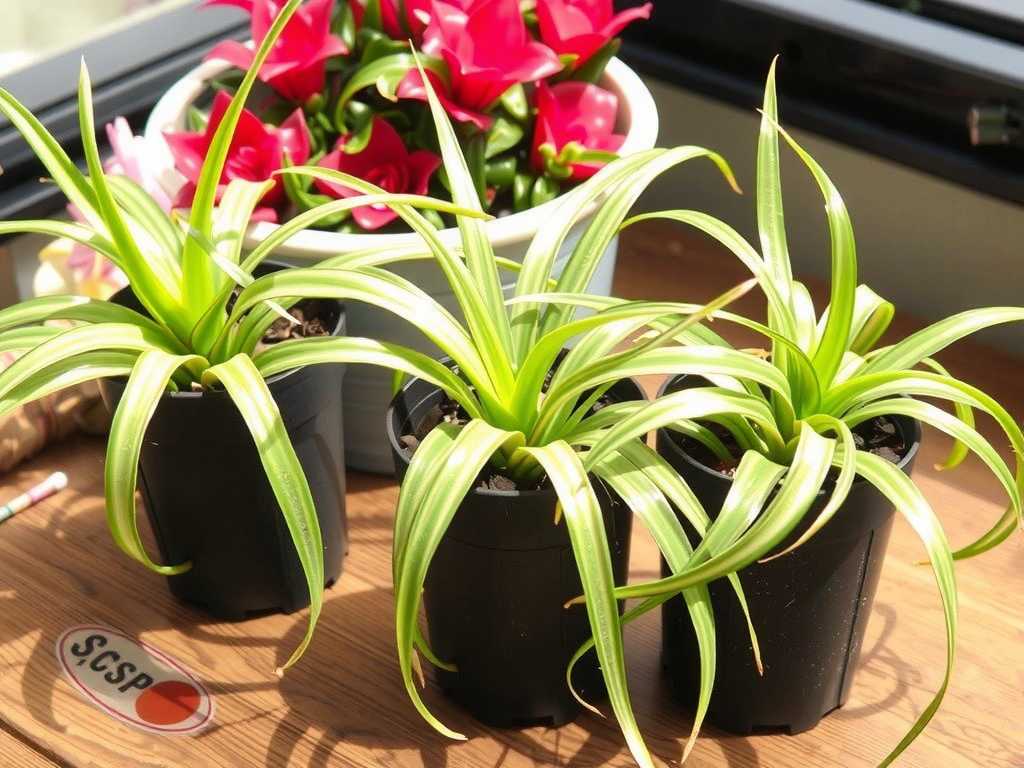
Spider plants (Chlorophytum comosum) are tropical perennials that adore bright, indirect light and moderate temperatures. Propagation, whether by water rooting or direct potting of spiderettes, is a process of high energy demand and vulnerability. The baby plant is redirecting all its resources to establishing a new root system. High summer temperatures accelerate moisture loss from leaves and soil, while intense UV rays can scorch tender foliage. Furthermore, poor air circulation around the soil surface creates a humid, stagnant microclimate—a perfect breeding ground for fungal pathogens like damping-off, which can wipe out your propagules overnight. Understanding these risks is the first step toward mitigating them.
Core Strategy: Implementing Effective Shading Techniques
The goal of summer shading is not to plunge your propagations into deep darkness, but to perfectly diffuse harsh, direct sunlight. Think of it as creating a bright but soft-lit room for your plant babies.
Optimal Light Conditions for New Spiderettes
Your propagated spider plantlets require abundant but gentle light. The ideal is bright, indirect light for most of the day. A north or east-facing windowsill is often perfect. If you only have south or west exposure, you must employ shading. Direct morning sun (before 10 AM) is usually tolerable, but the intense afternoon sun is a definite threat. Observe the leaves; if they appear pale, bleached, or develop brown, crispy tips despite adequate watering, they are getting too much direct exposure.
Practical Shading Solutions for Every Home
You don’t need specialized equipment to create the perfect shaded environment. A simple sheer curtain is one of the most effective tools, diffusing sunlight into a soft glow. For propagations on a patio or balcony, position them under the dappled shade of a larger tree or taller plant. A shade cloth with a 30-50% density rating can be invaluable for outdoor setups. Even a strategic placement—moving pots a few feet back from a sunny window or behind a larger piece of furniture—can make a dramatic difference. The key is to prevent the sun’s rays from directly hitting the tender foliage of the young plants.
The Critical Role of Ventilation in Preventing Heat Stress
While shading manages radiant heat, ventilation tackles ambient heat and humidity. Good airflow is a non-negotiable pillar of successful spider plant propagation in hot weather. It serves three vital functions: cooling the plant and soil surface, reducing excess moisture around the leaves to prevent rot, and strengthening the young plant’s stems.
How to Ensure Adequate Airflow Without Causing Damage
The aim is to create a gentle, consistent breeze, not a gusty wind tunnel. Indoors, a small oscillating fan placed several feet away, set on low, can work wonders. Ensure it is not pointed directly at the soil, which could dry it out too quickly. Simply opening windows in different rooms to create cross-ventilation is highly effective. For propagations in a closed terrarium or humidity dome (often used for other plants), spider plant offsets generally do not require such high humidity and the dome should be removed or vented frequently in summer to prevent overheating and mold. Outdoors, simply elevating pots on a stand to allow air to circulate underneath can prevent heat buildup.
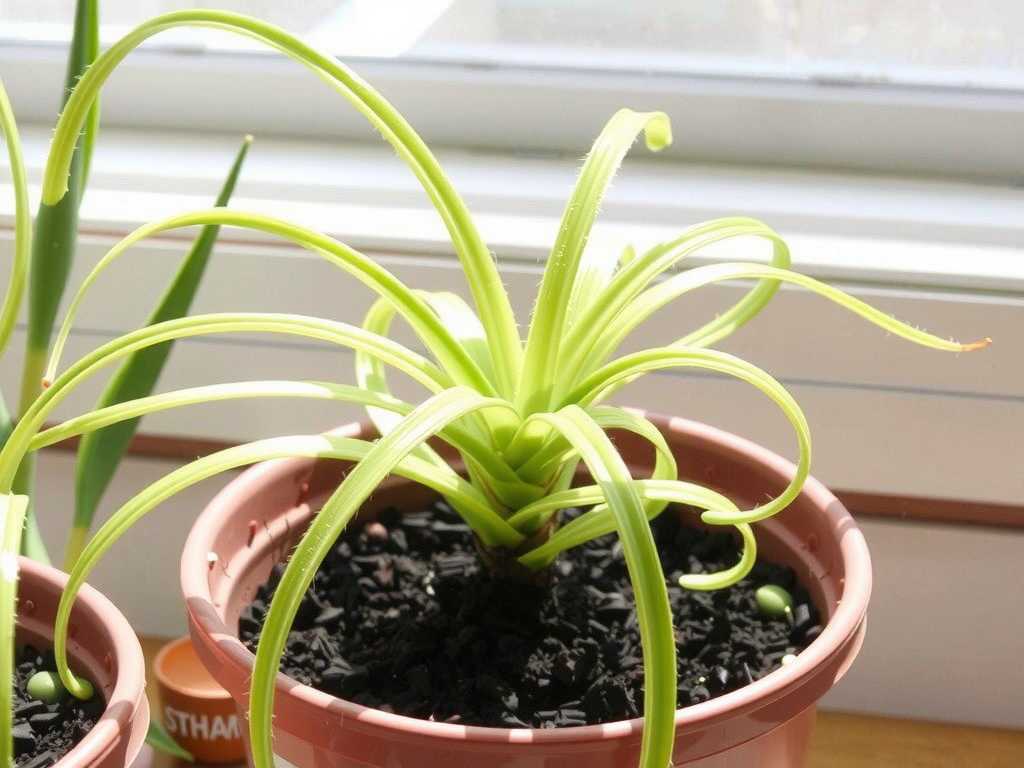
A Step-by-Step Guide to Summer Propagation with Heat Management
Let’s combine shading and ventilation into a clear, actionable propagation method designed for summer success.
1. Selecting and Preparing Your Spider Plant Offsets Choose plump, healthy spiderettes that have already begun developing small root nodules (often visible at the base). Using a clean, sharp pair of scissors, snip the runner, leaving a short stem attached to the baby plant.
2. The Two Best Rooting Methods for Summer
- Water Rooting: Place the offset in a small jar or glass of water, ensuring only the base is submerged. Keep this setup in a consistently shaded location. Change the water every 3-4 days to prevent bacterial growth. This method allows you to monitor root growth easily.
- Direct Soil Potting: Plant the offset in a small pot with a well-draining potting mix (a standard mix with added perlite is ideal). Moisten the soil lightly at the time of planting.
3. Post-Propagation Care: The First Crucial Weeks This is where your shading and ventilation plan is executed. Place your newly potted or water-rooting offsets in their prepared bright, shaded spot. For soil propagations, water only when the top inch of soil feels dry—overwatering in heat combined with poor airflow is lethal. A gentle fan or open-window breeze should be part of their daily environment. Resist the urge to fertilize; the young roots cannot handle it.
Troubleshooting Common Summer Propagation Problems
Even with care, issues can arise. Here’s how to diagnose and fix them.
- Yellowing Leaves: This is often a sign of overwatering or, conversely, heat stress from excessive sun. Check your soil moisture and light exposure.
- Brown, Crispy Leaf Tips: Typically indicates low humidity combined with heat or a minor buildup of salts/fluoride in water. Use distilled or rainwater if possible, and ensure the plant isn’t in the path of hot, dry air from vents.
- Rotting at the Base (Damping-off): Caused by fungal issues due to excessive moisture and poor air circulation. Immediately remove affected plants, improve ventilation, and let the soil surface dry out more between waterings. Ensure pots have drainage holes.
Expert Insights for Enhanced Success
Horticulturist Dr. Linda Chalker-Scott, in her work on plant stress physiology, emphasizes that “mitigating abiotic stressors like heat and light intensity during the establishment phase directly increases a plant’s resilience and long-term vitality.” Applying this to spider plant propagation means your careful management of the summer environment doesn’t just save the plantlet—it builds a stronger adult plant. Furthermore, a study on nursery production in the Journal of Horticultural Science noted that moderate air movement consistently resulted in sturdier stem growth and reduced disease incidence in young vegetative cuttings, validating the simple practice of ensuring good airflow.
Frequently Asked Questions
Can I propagate spider plants in direct summer sun if I water them more? No, this is a common misconception. Increased watering in direct sun does not compensate for heat and radiation stress. It often leads to root rot in the hot soil while the leaves continue to scorch. Shading is essential, not optional.
How long does it take for spider plant offsets to root in summer? In warm conditions (with proper shading), spiderettes can develop substantial roots in as little as 7-14 days in water. In soil, root establishment may take 2-3 weeks. The heat can speed metabolism, but only if the damaging effects of that heat are controlled.
Is it better to propagate in water or soil during hot months? Both can succeed with proper care. Water propagation allows easy monitoring and avoids initial soil moisture issues but requires vigilance to keep water fresh. Soil propagation is a more direct transition but demands precise watering. For beginners in summer, water propagation may offer slightly more control to prevent overwatering pitfalls.
Mastering spider plant propagation in summer ultimately hinges on reinterpreting the season’s challenges. By proactively implementing strategic shading to soften intense light and prioritizing ventilation to dissipate heat and moisture, you transform a risky endeavor into a highly rewarding one. Your spider plant offsets are equipped with the natural will to grow; your role is to skillfully manage their microclimate. With these focused practices, you can confidently turn the summer’s abundance into a successful harvest of new, healthy spider plants, ready to grace your home with their vibrant, arching beauty.