bluename
 spider plant Stolons Propagation: Hydroponic Rooting Method After Cutting
Have you ever snipped a healthy spider plant stolon, or "spiderette," full of hope, only to watch it wilt or rot in soil? You're not alone. Traditional soil propagation can be a gamble with overwatering and root rot being common frustrations. What if there was a clearer, cleaner, and almost foolproof method to grow robust roots? Enter the hydroponic rooting method for spider plant stolon propagation. This technique not only eliminates soil-borne guesswork but also allows you to witness every stage of root development, ensuring a stronger start for your new plant. This guide will walk you through the simple, effective process of propagating spider plant stolons in water, from the initial cut to successful transplanting.
Why Choose Hydroponic Rooting for Your Spider Plant Babies?
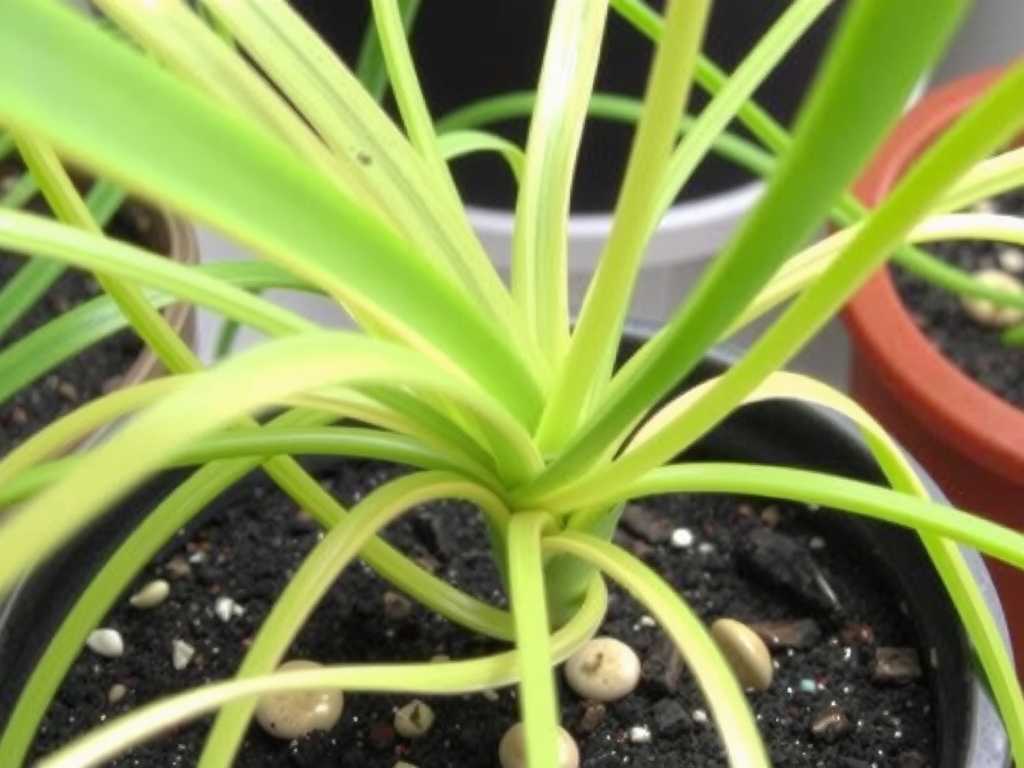
Before we dive into the steps, let's understand why water propagation is particularly effective for spider plant stolons. Spider plants (Chlorophytum comosum) are naturally resilient and adept at producing stolons—those long, arching stems that bear the plantlets. These plantlets are pre-programmed for survival, often already initiating tiny aerial root nubs. Placing them in water directly supports this natural tendency.
The primary advantage is visibility. You can monitor root health and growth daily without disturbing the plant. This method also drastically reduces the risk of fungal diseases common in damp soil. According to horticulture experts at university extension services, water propagation provides a controlled environment for root initiation, allowing the grower to intervene quickly if issues arise. It’s a perfect method for beginners and seasoned plant enthusiasts looking for a guaranteed success rate.
Essential Preparation: What You'll Need
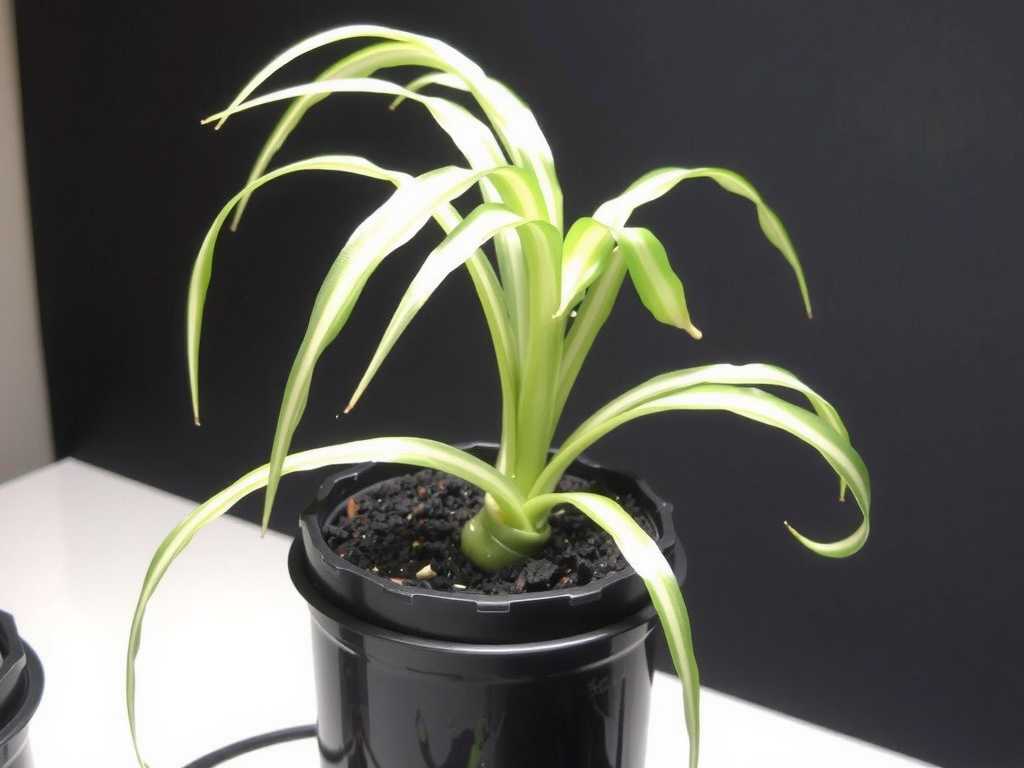
Gathering the right materials sets the stage for success. You won't need specialized hydroponic equipment; simple household items will do.
- Healthy Parent Spider Plant: Select a mother plant with vibrant, pest-free stolons. The plantlets should be of a decent size, typically with 2-4 leaves that are at least 2-3 inches long.
- Sharp, Sterile Scissors or Pruners: Clean cuts prevent crushing the stem and reduce infection risk. Wipe blades with rubbing alcohol.
- Clear Glass Vessels: Small jars, glasses, or vases. Clear glass lets you check root growth and water clarity.
- Fresh Water: Use room-temperature filtered water, rainwater, or tap water that has been left out for 24 hours to allow chlorine to evaporate. Chlorine can hinder root development.
- Optional Rooting Hormone (Liquid Form): While spider plants root easily, a liquid rooting hormone can accelerate the process. Ensure it's suitable for hydroponic use.
Step-by-Step: Propagating Spider Plant Stolons in Water
1. Identifying and Cutting the Stolon Correctly
Examine the stolon connecting the baby spider plant to the mother. Look for a plantlet that appears mature and robust. Using your sterilized tools, make a clean cut about 1-2 inches below the base of the plantlet. You can cut the stolon closer to the mother plant to remove multiple plantlets at once, or snip individual babies. Ensure each cutting has its own small node (the bump where it was attached to the stolon), as this is where roots will emerge.
2. The Hydroponic Setup and Rooting Process
Fill your clear vessel with enough prepared water to submerge only the base node of the spiderette. The leaves must remain completely dry and above the waterline to prevent rot. Place the cutting in the water. Find a location with bright, indirect light. Direct sunlight can heat the water and encourage algae growth.
Change the water completely every 5-7 days. This replenishes oxygen and prevents the buildup of bacteria. Observe the base of the cutting. You should see small, white root nubs forming within 7-14 days. These will gradually grow into a lush, white root system.
3. Monitoring Growth and Troubleshooting Common Issues
The hydroponic method makes monitoring straightforward. Healthy roots are firm and white or light tan. If the water becomes cloudy or slimy, change it immediately and rinse the cutting. If the base of the stem feels mushy, trim off the rotten part with a sterile tool, let it air dry for an hour, and place it back in fresh water. Algae on the glass is mostly aesthetic; simply clean the vessel during a water change.
4. Transitioning from Water to Soil (The Final Step)
Once the roots are 2-3 inches long—a process that typically takes 3-4 weeks—your cutting is ready for soil. This is a critical phase. Gently pot the new spider plant in a well-draining potting mix. Keep the soil consistently moist (but not soggy) for the first 2-3 weeks to help the water roots adapt to their new soil environment—a process often called "hardening off." After this period, you can transition to a regular spider plant watering schedule, allowing the top inch of soil to dry out between waterings.
Advanced Tips for Faster Hydroponic Root Development
To optimize your water propagation for spider plant stolons, consider these tips. Adding a small drop of liquid seaweed fertilizer to the water every other water change can provide trace minerals. Using an opaque container or wrapping clear glass in foil can discourage algae, though it removes the visual benefit. Ensure the propagation station has warm ambient temperatures, as warmth encourages faster root growth than cool conditions.
Frequently Asked Questions
How long can I leave my spider plant babies in water? You can keep them in water indefinitely as a semi-hydroponic plant, and they will survive. However, for long-term health and to allow the plant to reach its full size, transplanting to soil is recommended once a strong root system is established. Extended time in water can lead to weaker, water-adapted roots that may struggle later in soil if not transitioned carefully.
Why are the tips of my propagating spiderette turning brown in water? Browning leaf tips are rarely caused by the water propagation method itself. It is usually due to low humidity, fluoride or salts in the water, or the plant's natural response to the change in environment. Use filtered water and ensure the plant isn't in a drafty spot. You can trim the brown tips off at an angle for aesthetics.
Can I propagate a spider plant stolon directly in soil instead? Absolutely. Direct soil propagation is a valid method. The advantage of the hydroponic technique is the increased success rate and reduced risk of overwatering for beginners. It provides tangible evidence of root growth before planting, which builds confidence and ensures only well-rooted plantlets are potted.
Propagating spider plant stolons using the hydroponic rooting method transforms what can be an uncertain process into a rewarding visual experience. By allowing you to witness the miracle of root development firsthand, it not only guarantees a healthy start for your new plants but also deepens your connection to the growing process. With clear water, a bright spot, and a little patience, you can effortlessly multiply your spider plant collection, turning every stolon into a thriving, independent plant ready to purify your air and beautify your space.