bluename
 spider plant Division Propagation: Mastering the Art of Avoiding Root Damage
You’ve nurtured your spider plant into a lush, overflowing beauty, and now it’s time to create new plants through division. It’s an exciting prospect, but a wave of anxiety follows. What if you accidentally tear the delicate root ball? What if the shock is too much, and both the parent and pups suffer? The fear of causing irreversible root damage is the single biggest hurdle for plant enthusiasts attempting propagation by division. A single misstep with a knife or a rough separation can set back growth for months or even lead to plant loss. This guide is dedicated to eliminating that fear. We will walk through precise, gentle techniques designed specifically to protect the root system, ensuring your spider plant division propagation is not only successful but also promotes vigorous, healthy growth for all your new plants.
Understanding the Spider Plant Root System: The Foundation for Safe Division
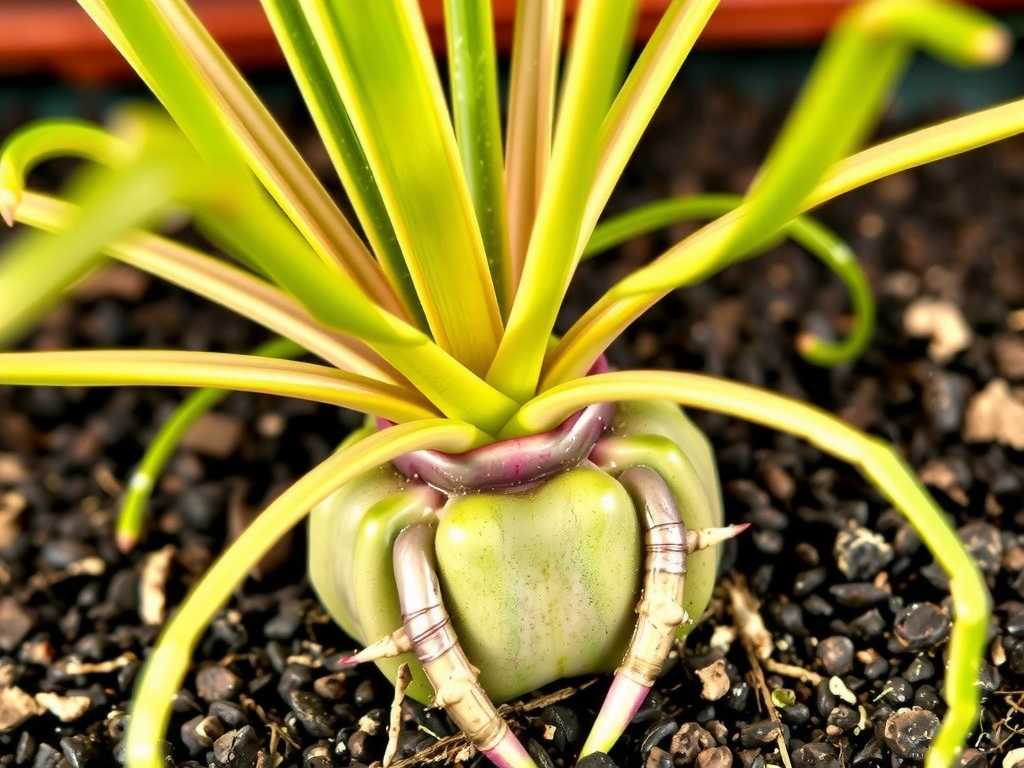
Before you touch a tool, you must understand what you’re working with. Spider plants (Chlorophytum comosum) develop dense, tuberous root systems. These roots are not overly fragile, but they are susceptible to shock and tearing when handled improperly. The root mass is a storage organ for water and nutrients, and its health is directly linked to the plant’s ability to recover from division.
The goal is to minimize disturbance to these roots while cleanly separating the plant into viable sections. Each division must have a substantial portion of healthy, undamaged roots along with several leaves to sustain itself. Recognizing this structure is your first defense against damage.
Optimal Timing: When to Divide for Minimal Stress
Choosing the right moment is a critical, often overlooked, technique for avoiding root damage. The plant’s natural growth cycle is your greatest ally.
The ideal time is during the active growing season, in early spring or early summer. During this period, the plant is in a state of vigorous growth, producing new roots and foliage rapidly. This innate vitality means it can recover from the division process much faster, quickly repairing any minor root disturbances and establishing itself in new soil. Dividing during dormant periods (late fall or winter) forces the plant to heal roots while energy is low, increasing the risk of rot and failure.
Additionally, the best practice is to divide a plant that is slightly root-bound. A tight root ball holds together more cohesively, making it easier to separate cleanly along natural lines with less soil crumbling away and exposing fine roots to excessive air and damage.
Essential Tools and Preparation: Setting the Stage for Success
Gathering the right tools is non-negotiable for precision work. Using inadequate tools is a primary cause of crushing and tearing.
- Sharp, Sterile Cutting Tool: A sharp knife, pruning shears, or even a handsaw for very large plants. Sterilize the blade with rubbing alcohol or a flame to prevent introducing pathogens to fresh cuts.
- Fresh, Well-Draining Potting Mix: A lightweight mix formulated for houseplants or succulents is perfect. Avoid heavy, water-retentive soils that can suffocate recovering roots.
- Appropriate Pots: Have new pots ready, with drainage holes, that are just 1-2 inches larger in diameter than the new root divisions.
- A Clean Workspace: Lay down newspaper or work on a clean bench.
Step-by-Step Guide to Gentle Spider Plant Division
Here is the core methodology, where careful action prevents root damage.
Step 1: The Gentle Extraction Water your spider plant thoroughly 24 hours before division. This hydrates the roots, making them more flexible and less brittle. To remove the plant, don’t simply yank it by the leaves. Turn the pot on its side, gently squeeze or tap it, and carefully slide the entire root ball out. The objective is to keep the root and soil mass intact.
Step 2: The Root Ball Assessment Place the root ball on your workspace. Gently remove loose soil by hand to better see the root structure. You might rinse it lightly with water, but this is optional. Your task is to identify natural separation points. Look for distinct clusters of leaves (the “pups” or offshoots) and trace them down to where they connect to the main root mass. These junctions are your guides.
Step 3: The Separation Technique – Hands First, Tools Last This is the most crucial phase for preventing root damage during spider plant propagation. Always start with your hands.
- Manual Separation: For many plants, you can gently tease the root mass apart with your fingers. Start at the outer edges, working inward, following the natural divisions you identified. Apply slow, steady pressure to coax the roots apart. This method causes the least trauma.
- Strategic Cutting: If the root mass is too dense to separate by hand, use your sterilized tool. Do not chop randomly. Identify the connective tissue between divisions and make clean, decisive cuts. A sharp blade makes a clean cut that heals quickly; a dull blade crushes and bruises root tissue, inviting rot. The key is to divide spider plants without harming the root system by being surgical and intentional with every cut.
Step 4: Post-Division Root Care Once separated, inspect the roots. Trim only any obviously dead, black, or mushy roots with your sterile tool. Avoid the temptation to over-trim healthy roots. You can lightly dust the fresh cuts with cinnamon (a natural antifungal) or a rooting hormone powder to protect them and encourage new growth.
Step 5: Potting for Recovery Place each division in its new pot at the same soil depth it was previously growing. Fill around the roots with fresh potting mix, gently firming it to eliminate large air pockets—but do not compact it tightly. Air pockets can dry out roots, while compacted soil restricts oxygen.
Aftercare: Ensuring Root Recovery and Growth
Your job isn’t over after potting. Proper aftercare is what seals the success of your careful division.
- Initial Watering: Water the newly potted divisions lightly to settle the soil. Ensure water drains freely from the bottom. The soil should be moist, not soggy.
- The Recovery Environment: Place the plants in a location with bright, indirect light. Avoid direct sun, which can stress the plant while roots are vulnerable. Maintain consistent warmth.
- Watering Schedule: Hold off on fertilizing for at least 4-6 weeks. Water only when the top inch of soil feels dry. Overwatering is the greatest threat to recovering roots, as they cannot absorb moisture quickly and will rot in saturated soil.
- Signs of Success: Some initial wilting or browning of leaf tips is normal. Within 1-3 weeks, you should see signs of new growth, indicating the roots have established and are functioning.
Expert Insight on Root Health
As noted by horticulturist Dr. Linda Chalker-Scott, “Plant roots are dynamic organs that require a balance of water, air, and minerals. Physical damage compromises their ability to function, but plants have a remarkable capacity for regeneration if given a stable, low-stress environment post-injury.” This underscores the importance of our gentle techniques and stable aftercare.
Common Questions About Dividing Spider Plants
How do I know if my spider plant is ready to be divided? Look for visible crowding: roots growing out of the drainage holes, the plant lifting out of the pot, or a significant slowdown in growth despite proper care. The presence of multiple large, mature pups also signals readiness.
What should I do if I accidentally cut through a major root during division? Don’t panic. Make the cut as clean as possible with a sterile tool. Pot the division as normal, but be extra cautious with watering—keep the soil slightly drier initially. The plant will focus energy on callusing that wound and generating new root branches.
Why are the leaves on my new division turning yellow or brown? Some leaf stress is normal due to transplant shock. However, widespread yellowing often indicates overwatering and potential root rot. Brown, crispy tips are more commonly due to low humidity, fluoride in water, or underwatering. Assess your watering habits and environment, ensuring the soil drains completely and the plant isn’t sitting in water.
By prioritizing the integrity of the root system at every step—from timing and tool selection to gentle separation and mindful aftercare—you transform division from a stressful gamble into a reliable and rewarding method of propagation. Your spider plants will reward your careful hands with robust health and continued prolific growth, giving you more beautiful plants to enjoy or share.