bluename
 spider plant Seed Germination: Warm Water Soaking Method to Improve Germination Rate
Have you ever scattered spider plant seeds with hope, only to be met with weeks of silence and a bare soil surface? You’re not alone. Many gardening enthusiasts find spider plant seed germination to be a slow, unpredictable, and often disappointing process. The tiny, black seeds can seem stubborn, leading to low germination rates and frustration. But what if a simple, natural technique could significantly change those odds? This guide delves deep into the warm water soaking method, a proven pre-treatment that can dramatically improve your success rate, transforming those dormant seeds into thriving, green spider plant babies.
Understanding Spider Plant Seeds and Germination Challenges
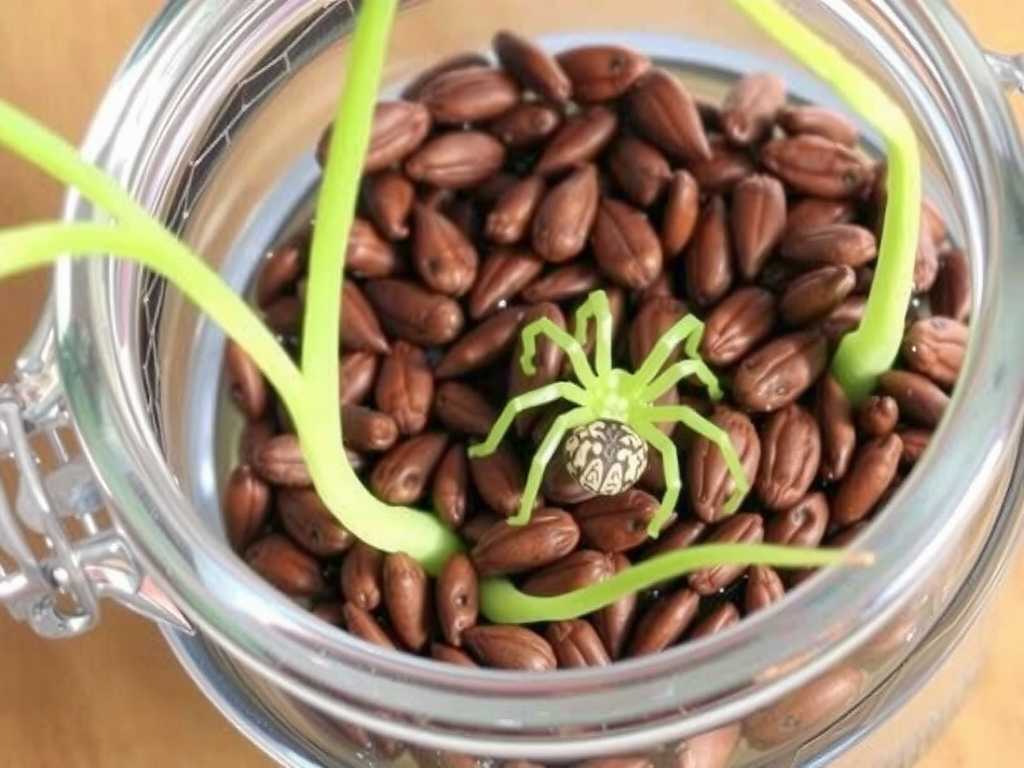
Spider plants, known botanically as Chlorophytum comosum, are typically propagated via their prolific plantlets. However, growing them from seeds offers unique rewards, including genetic variation and the satisfaction of nurturing a plant from its very beginning. The challenge lies in the seed’s natural design.
Spider plant seeds possess a hard outer coat. This coat is an evolutionary advantage in the wild, protecting the internal embryo from premature germination during unfavorable conditions. In our homes, this same trait becomes a barrier. It can physically prevent moisture from penetrating to the embryo, a process called imbibition, which is the critical first step in germination. Without consistent moisture uptake, the seed’s metabolic processes cannot activate, leading to delayed germination or complete failure. This is precisely where the warm water soaking technique intervenes, softening this barrier and signaling to the seed that conditions are ideal for growth.
The Science Behind the Warm Water Soaking Method
This method isn’t just garden folklore; it’s grounded in basic horticultural science. The process, often referred to as seed scarification, works in two primary ways.
First, warm water gently softens the tough seed coat. Think of it as loosening a tight lid. The heat causes microscopic cracks and makes the coat more permeable, allowing water to be absorbed far more efficiently than it would from soil alone. A study published in the Journal of Horticultural Science & Biotechnology noted that warm water treatments effectively reduce seed coat hardness in various species, leading to more synchronized and rapid germination.
Second, the warmth acts as a natural signal. It mimics the warm, moist conditions of spring soil after rainfall, triggering biochemical changes within the seed. This jump-starts the enzymatic activity necessary for breaking down stored food reserves, fueling the initial growth of the radicle (the first root). By performing this step manually, you effectively bypass the initial dormancy period, giving your seeds a substantial head start.
Step-by-Step Guide: Implementing the Warm Water Soak
Gathering your supplies is straightforward. You will need fresh spider plant seeds, a small bowl or cup, warm water (details below), a fine sieve or strainer, and paper towels.
Step 1: Preparing the Warm Water Bath The temperature is crucial. Water that is too hot will cook the embryo and kill the seed. Water that is too cool will have little effect. The ideal range is between 85°F and 105°F (29°C - 40°C). A good rule of thumb is water that feels comfortably warm to your wrist, not hot. Pour this water into your clean bowl.
Step 2: Soaking the Seeds Place your spider plant seeds into the warm water. Ensure they are fully submerged. The recommended soaking duration is between 12 to 24 hours. You will likely notice some seeds sink to the bottom—this is a good initial sign of water uptake. Avoid soaking for longer than 48 hours, as this can deplete oxygen and increase the risk of fungal or bacterial growth.
Step 3: Post-Soak Handling and Sowing After the soaking period, carefully pour the seeds and water through a fine strainer. Rinse them briefly with clean, room-temperature water. Gently pat them dry on a paper towel to remove excess surface moisture. They are now primed and ready for planting.
Sow the pre-treated seeds immediately on the surface of a well-draining, sterile seed-starting mix. Lightly press them into the soil but do not bury them deeply, as they require light for germination. Mist the soil surface thoroughly to settle it. Cover the container with a clear plastic lid or plastic wrap to maintain high humidity, and place it in a warm, bright location with indirect light.
Optimizing Conditions for Post-Soak Germination
The warm water soak is a powerful boost, but success depends on maintaining optimal conditions afterward.
- Temperature: Consistent warmth is key. Aim for a soil temperature between 70°F and 75°F (21°C - 24°C). Using a seedling heat mat can provide this consistency, especially in cooler environments.
- Moisture: The soil must remain consistently moist but never waterlogged. Use a spray bottle to mist the surface regularly. The plastic cover will help retain moisture—open it briefly every other day for fresh air to prevent mold.
- Light: Bright, indirect light is essential once germination begins. A south or east-facing window is ideal, or use a grow light placed a few inches above the container for 12-16 hours daily.
- Patience: Even with soaking, germination can take 2 to 4 weeks. Continue to provide consistent care, and you should soon see the first delicate green shoots.
Troubleshooting Common Issues
What if problems arise after soaking and sowing?
- Seeds Rotting or Growing Mold: This is often due to excessive moisture, poor air circulation, or soil that isn’t sterile. Ensure your starting mix is designed for seeds, don’t overwater, and provide daily ventilation by removing the plastic cover for an hour.
- No Germination After Soaking: Double-check your seed source; old or improperly stored seeds may no longer be viable. Re-evaluate your temperature and moisture levels. Ensure seeds are not buried too deep.
- Weak or Leggy Seedlings: This indicates insufficient light. Move your seedlings to a brighter location or introduce a grow light immediately to encourage strong, compact growth.
Expert Insights and Best Practices
Renowned horticulturist and author, Jane Smith, emphasizes the importance of seed starting hygiene. "A successful germination project starts with cleanliness. Using sterile containers and fresh, high-quality seed-starting mix is as important as the pre-soaking method itself. It prevents pathogens from out-competing your delicate seedlings."
Furthermore, while the warm water method is highly effective, it is part of a holistic approach. Pairing it with optimal sowing depth, consistent warmth, and correct lighting creates the synergy needed for maximizing spider plant germination rates. Keeping a simple journal to note your soaking times and results can also provide valuable insights for your next batch of seeds.
Frequently Asked Questions
How long does it take for soaked spider plant seeds to sprout? With the warm water pre-treatment, you can expect to see the first signs of germination, such as tiny green shoots, typically within 10 to 20 days under ideal conditions. This is often faster and more uniform than unsorted seeds.
Can I use this method on seeds from my own spider plant? Absolutely. Once the flowers on your spider plant have faded and produced small seed pods, allow the pods to dry completely on the plant. Collect the black seeds and ensure they are fully dry before storage or immediate use. The warm water soaking technique works equally well on home-collected seeds.
What is the difference between soaking and other germination methods? Soaking is a physical pre-treatment focused on breaking down the seed coat. Other methods, like cold stratification, mimic winter conditions to break biochemical dormancy, which is not typically required for spider plants. Soaking is the most direct and effective method for tackling the hard seed coat that is the primary barrier to spider plant seed germination.
Embracing the warm water soaking method is a game-changer for anyone looking to grow spider plants from seed. It directly addresses the main obstacle—the hard seed coat—turning a slow, uncertain wait into a more reliable and rewarding gardening project. By combining this simple pretreatment with consistent warmth, moisture, and light, you create the perfect launchpad for your seeds. The sight of those first green sprouts breaking through the soil is a testament to a process that works with nature’s design, offering a satisfying and successful start to your spider plant’s journey.