bluename
 spider plant Leaf Cutting After Rooting: Precautions for Transplanting to Soil Culture
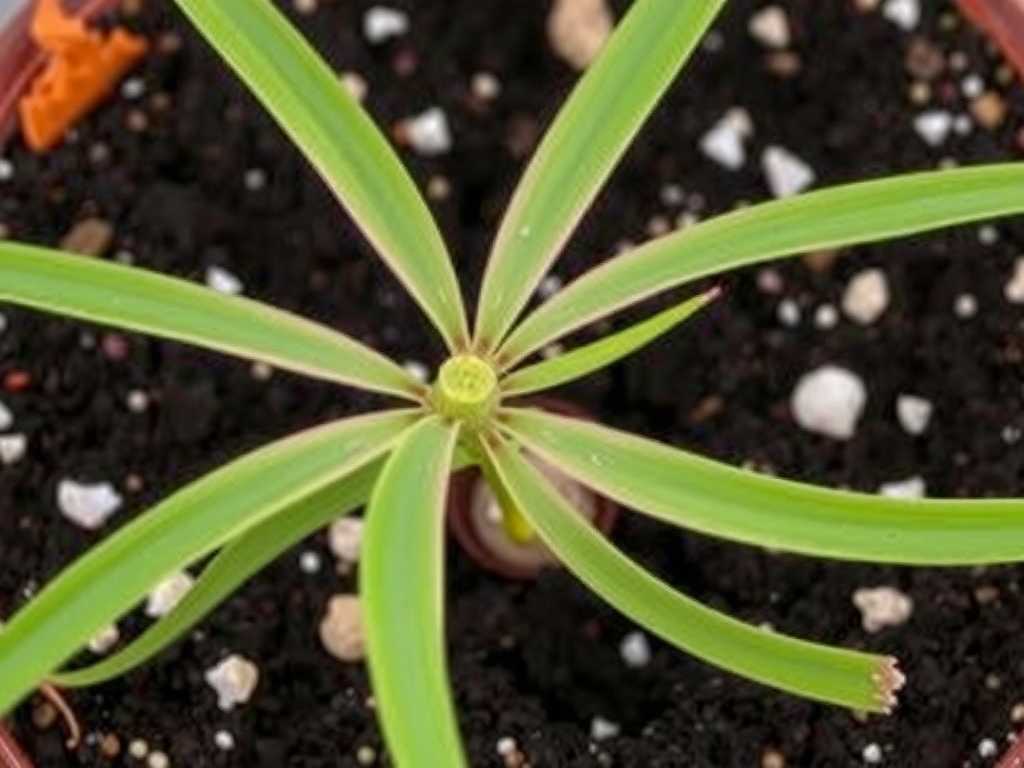
You've successfully nurtured your spider plant leaf cutting through the delicate rooting phase. Those tiny white roots in the water glass are a triumph. But now comes a critical juncture where many enthusiastic plant parents stumble: the transition from water to soil. Moving your newly rooted spider plant cutting too hastily or without proper care can lead to transplant shock, root rot, and the heartbreaking loss of your young plant. Understanding the precise precautions for transplanting to soil culture is the key to turning that fragile water-rooted start into a thriving, soil-established spider plant.
This guide is designed to walk you through every essential step, focusing not just on the "how," but crucially on the "why" behind each precaution. By following these expert-backed steps, you align with the best practices of experienced horticulturists, ensuring your spider plant cutting develops a robust foundation for long-term growth.
Why the Transition from Water to Soil Is a Critical Phase
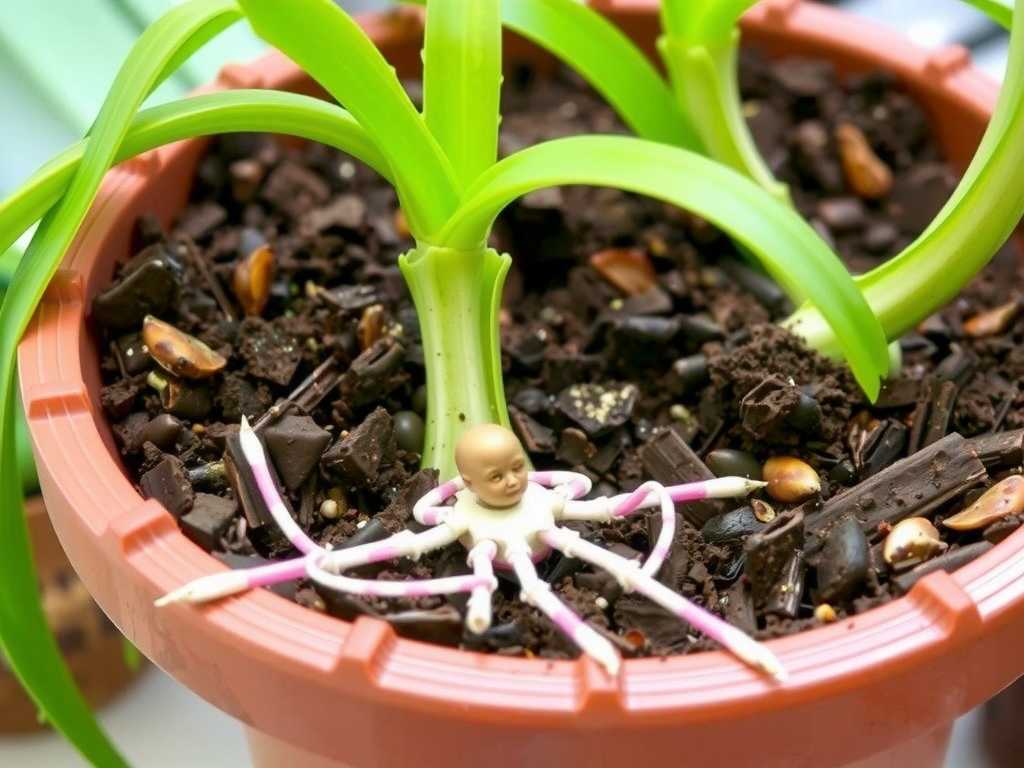
Water propagation and soil cultivation represent two fundamentally different environments for plant roots. Roots developed in water, known as aquatic roots, are adapted to absorb oxygen and nutrients directly from the water. They are often more fragile and less branched than soil roots. When plunged directly into dense, moisture-retentive soil, these tender roots can struggle to adapt, suffocate, or become susceptible to pathogens. The goal of transplanting is to facilitate a gentle acclimatization, encouraging the development of sturdier, soil-adapted roots—a process central to successful spider plant soil transplantation.
Precautions for Transplanting to Soil Culture
1. Timing is Everything: Don't Rush the Roots
The first and most common mistake is transplanting too early. Patience here is non-negotiable.
- Wait for Adequate Root Length: Don't transplant as soon as you see the first root nub. Wait until the primary roots are at least 2-3 inches long and, ideally, have begun developing smaller lateral root hairs. This indicates a more mature root system capable of handling the transition.
- Root Volume Matters: A single, long root is less stable than a network of several roots. A good rule of thumb is to wait until you have a small, healthy cluster of roots. According to a study on plant propagation stress, root systems with higher initial biomass exhibit significantly better survival rates post-transplantation.
2. Preparing the Ideal Soil Medium
The soil you choose is your cutting's new home. Getting this wrong can undermine all your previous efforts.
- Avoid Heavy, Water-Retentive Potting Mixes: Standard all-purpose potting soil is often too dense and retains too much moisture for newly transitioned water roots. It can compact around the delicate roots, cutting off oxygen.
- Create a Well-Draining, Aerated Mix: Prepare a custom blend that mimics a loose, airy environment. A perfect mix for transplanting rooted spider plant cuttings could be:
- 2 parts all-purpose potting soil
- 1 part perlite
- 1 part coarse horticultural sand or orchid bark This combination ensures excellent drainage and prevents waterlogging, giving the roots the oxygen they desperately need while adapting.
3. The Gentle Transplanting Process
Handle your cutting with the care you would afford a seedling.
- Moisten the Soil First: Before planting, lightly moisten your potting mix. It should be damp like a wrung-out sponge, not soggy. This provides immediate moisture to the roots without the need for a heavy initial watering that could drown them.
- Create a Proper Planting Hole: Use your finger or a pencil to create a hole in the center of the pot wide and deep enough to accommodate the entire root system without bending or crowding.
- Position the Cutting Correctly: Gently place the roots into the hole. The base of the spider plant pup (where the roots emerge) should sit just at or slightly below the soil surface. Backfill gently, lightly tamping the soil to eliminate large air pockets—but do not compact it tightly.
4. The Critical First Watering and Aftercare
This is where the delicate balance of moisture management becomes paramount.
- The Initial "Settling" Water: After planting, give the soil a gentle, thorough watering until water just begins to drain from the bottom. This helps the soil settle around the roots.
- The Danger of Overwatering: Here is the most vital of all precautions for transplanting to soil culture: Do not keep the soil constantly wet. Overwatering is the primary cause of failure. The plant is not yet ready to uptake water from the soil as efficiently as it did from the water glass.
- Establish a New Watering Routine: Allow the top inch of the soil to dry out completely before watering again. Stick your finger into the soil to check. This cycle encourages the roots to seek out moisture and grow stronger.
5. Post-Transplant Environment and Monitoring
- Provide Indirect Light: Place your newly potted cutting in a location with bright, indirect light. Avoid direct, harsh sunlight, which can scorch the leaves and add further stress while the plant is establishing.
- Hold Off on Fertilizer: Do not fertilize for at least 4-6 weeks. The fresh potting mix contains nutrients, and the plant's priority is root establishment, not foliage growth. Fertilizer can chemically burn the new, sensitive roots.
- Expect an Adjustment Period: It's normal for the plant to look a little wilted or for some leaf tips to brown slightly in the first week. This is a sign of transplant shock. Maintain your careful watering regimen, and it should perk up as new soil roots develop.
Frequently Asked Questions
How long does it take for a water-rooted spider plant to adjust to soil? The full acclimatization process, where the plant stops showing signs of stress and begins actively pushing out new growth, typically takes 2 to 4 weeks. During this time, the plant is busy converting its water roots to more efficient soil roots.
What are the signs my transplanted cutting is failing? Persistent wilting or yellowing that does not improve, leaves becoming mushy at the base, or a foul smell from the soil are red flags. These often indicate root rot from overwatering. If caught early, you can unpot the plant, trim away any black/mushy roots, and repot it in fresh, dry mix.
Can I skip water propagation and root spider plant cuttings directly in soil? Absolutely. This method, called direct soil propagation, avoids the transplant shock phase entirely. It requires maintaining consistently (but not overly) moist soil and higher humidity around the cutting. While it has a slightly higher initial failure rate for beginners, it's a valid technique that builds soil-adapted roots from the start.
Successfully moving your spider plant from water to soil is a rewarding skill that unlocks endless propagation possibilities. The journey hinges on respecting the plant's need for a gradual transition. By prioritizing the timing, crafting the right soil environment, mastering the initial watering balance, and providing a stable post-transplant home, you give your spider plant cutting the strongest possible start. Remember, the goal is not just survival, but the flourishing growth of a resilient new plant that will soon produce its own cascading runners, continuing the cycle of growth in your home.