bluename
 spider plant Runner Propagation: Care Tips for Unrooted Offshoots
You’ve just noticed your spider plant sending out a long, arching stem dotted with tiny plantlets. These runners, or stolons, are a sign of a happy, mature plant. But what do you do with those unrooted offshoots? The excitement of free new plants can quickly turn to frustration if those delicate spiderettes wilt, yellow, or fail to thrive after separation. The key challenge lies in the transitional phase—caring for these unrooted offshoots before they establish their own independent root systems. This guide provides clear, step-by-step care tips to ensure your spider plant runner propagation is a resounding success.
Understanding Spider Plant Runners and Offshoots
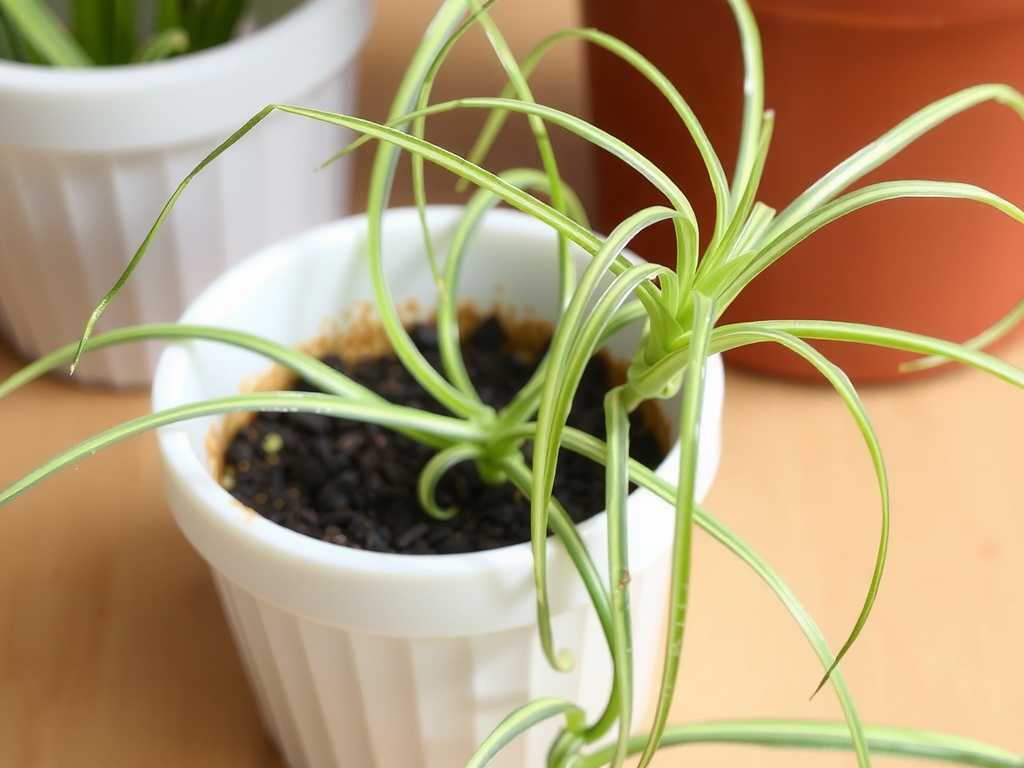
Spider plants, scientifically known as Chlorophytum comosum, reproduce vegetatively through stolons. These runners are the plant's natural method of seeking new territory. Each tiny plantlet, or spiderette, formed on the runner is a genetic clone of the mother plant. While still attached, it receives water, nutrients, and hormones from the parent. The goal of propagation is to sever this connection and encourage the offshoot to sustain itself. According to horticulturist Dr. Linda Chalker-Scott, successful propagation of such offsets relies on managing moisture and minimizing transplant shock, which is the primary risk for unrooted starts.
When to Separate the Offshoots: Timing is Everything
The single most important factor for success is timing. Separating an offshoot too early is the most common mistake. A spiderette is ready for propagation when it has developed visible aerial root nodules. These look like small, white bumps at the base of the plantlet. Ideally, the plantlet should also have several leaves of its own, typically 2-3 inches long. A mature, healthy-looking offshoot has a much greater store of energy to support itself while it develops true roots.
Essential Care Tips for Unrooted Spider Plant Offshoots
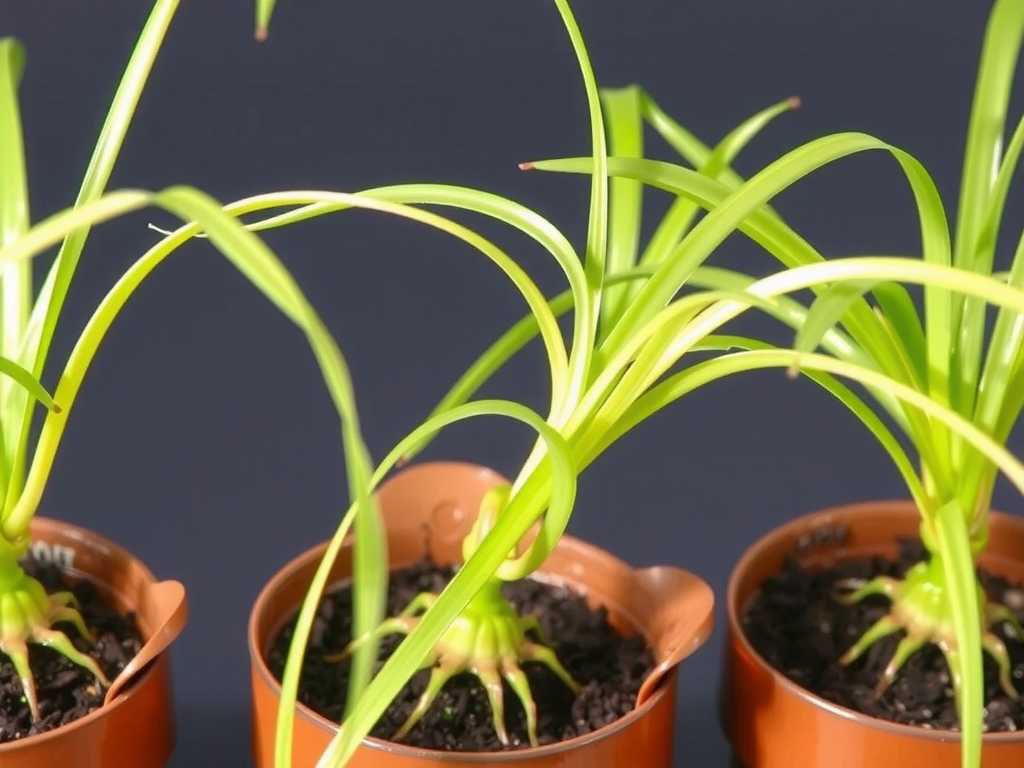
Once you’ve identified a ready plantlet and carefully cut it from the runner (using a clean, sharp knife or scissors), the real care begins. Your focus shifts to two parallel goals: encouraging rapid root development and maintaining the health of the foliage.
Method 1: The Water Propagation Technique
Water propagation is popular because it allows you to witness root growth firsthand, which is rewarding and educational. First, select a small glass or jar. Fill it with room-temperature water. Place the spiderette so that only the base with the root nodules is submerged; the leaves must stay completely dry to prevent rot. Use a narrow-necked vessel or support the plantlet with toothpicks to achieve this. Place the setup in a location with bright, indirect light. Direct sunlight will heat the water and promote algal growth. Change the water every 3-5 days to keep it fresh and oxygenated. Within one to two weeks, you should see new, white roots emerging from the nodules. Wait until these water roots are at least an inch or two long before transplanting to soil. This method has a high success rate and minimizes initial shock, as the plantlet never experiences drought.
Method 2: Direct Planting into Soil
For a more straightforward approach, you can plant unrooted offshoots directly into soil. This method skips the water transition phase, potentially leading to a sturdier plant acclimated to soil from the start. Prepare a small pot with a well-draining potting mix. A blend designed for succulents or a standard mix with added perlite works perfectly. Moisten the mix so it is lightly damp but not soggy. Create a small hole in the center and place the base of the spiderette into it. Gently firm the soil around it to provide support. The key here is consistent, moderate moisture. Keep the soil slightly damp like a wrung-out sponge, not wet. You can cover the pot with a clear plastic bag or a cut plastic bottle to create a mini-greenhouse, which maintains high humidity around the leaves. Remove the cover for an hour daily to allow air circulation. Roots typically establish in 2-3 weeks, signaled by new leaf growth.
Optimal Environmental Conditions for Rooting
Whether in water or soil, your unrooted offshoot needs the right environment to channel its energy into root production. Light is crucial. Provide bright, indirect light. A north or east-facing windowsill is ideal. Too little light will slow growth; too much direct sun will scorch leaves and stress the plantlet. Temperature and humidity work hand-in-hand. Spider plants prefer temperatures between 65°F and 75°F (18°C - 24°C). Maintaining good ambient humidity supports the offshoot while its root system is non-functional. A pebble tray filled with water placed beneath the pot or regular, fine misting around (not directly on) the plant can help. Avoid over-misting, as this can encourage fungal diseases on the foliage.
Troubleshooting Common Issues with Unrooted Offshoots
Even with perfect care, issues can arise. Here’s how to identify and fix them. If the leaves are turning yellow or brown at the base, you are likely overwatering (in soil) or submerging too much of the plant (in water). Let soil dry out slightly and ensure only the root base is in water. If the plantlet is wilting or looks limp, it is likely underwatered or suffering from low humidity. Check soil moisture or water level and consider increasing ambient humidity with a humidity dome. A lack of root growth after several weeks often points to insufficient light or temperatures that are too cool. Move the propagation setup to a warmer, brighter location. Patience is also key—some offshoots simply take longer.
Transitioning to Long-Term Spider Plant Care
Once your offshoot has established a healthy root system in its small pot, it’s time to think about its future. After a month or two of steady growth, you can repot it into a slightly larger container with standard potting soil. Begin a regular feeding schedule with a balanced, water-soluble fertilizer diluted to half-strength every 4-6 weeks during the growing season. Continue to provide bright, indirect light and water when the top inch of soil feels dry. With proper care, your propagated spiderette will soon mature and begin producing its own runners, continuing the wonderful cycle of growth.
Why are the tips of my newly propagated spider plant turning brown? Brown tips are very common and are usually a sign of low humidity, fluoride or chlorine in tap water, or occasional underwatering. Use distilled or rainwater for watering, increase ambient humidity, and ensure consistent soil moisture to prevent this issue.
Can I propagate a spider plant runner without cutting it from the mother plant? Yes, you can use a method called "layering." Simply pin the plantlet, while still attached to the runner, onto a small pot of moist soil placed nearby. Once it roots into this new pot, you can sever the runner. This method often reduces shock as the offshoot is supported throughout.
How long does it take for an unrooted offshoot to grow into a full-sized plant? With optimal care, an unrooted offshoot will develop a solid root system within 2-4 weeks. From there, visible new leaf growth typically appears within a month. It can take 6 months to a year for the plant to reach a mature size and potentially start producing its own runners, depending on light and care conditions.
Successfully nurturing unrooted spider plant offshoots from runner to robust independent plant is a simple and deeply satisfying process. By focusing on the readiness of the spiderette, choosing a propagation method that suits your style, and providing consistent moisture and light, you can transform those dangling plantlets into a thriving collection. Each new spider plant not only expands your indoor garden but also stands as a testament to a cycle of growth that began with a single, carefully tended offshoot.