bluename
 spider plant Tissue Culture Seedling Care: Your Guide to a Successful Transition from Laboratory to Home
You've just received your delicate spider plant tissue culture seedlings. They arrived in a sterile jar or on agar gel, looking more like a science experiment than the lush, arching houseplant you envisioned. This is the critical moment. The journey from a controlled laboratory environment to your living room is the most vulnerable phase in the plant's life. Many enthusiasts face stunted growth, transplant shock, or outright loss because the unique needs of these lab-grown babies are misunderstood. This guide is designed to bridge that gap, providing the precise, step-by-step care needed to harden off and nurture your spider plant tissue culture seedlings into thriving, mature plants.
Understanding Your Tissue Culture Seedling
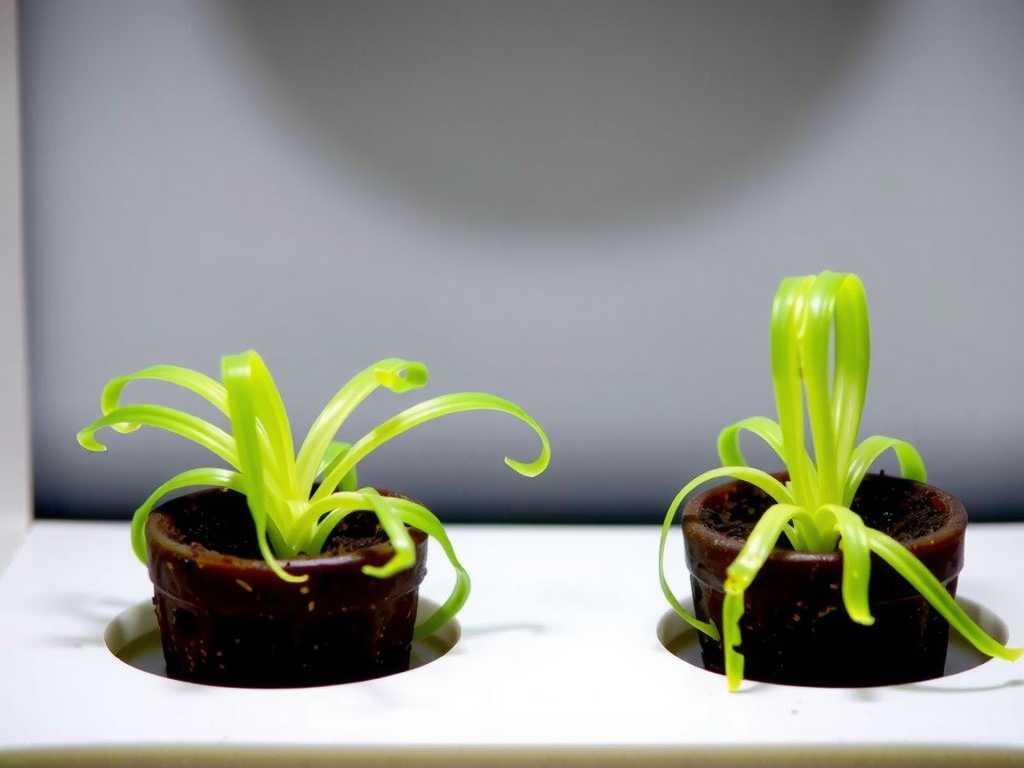
Before you take any action, it's crucial to understand what makes a tissue culture seedling different from a standard nursery plant. These plants are cloned in a sterile, nutrient-rich, and high-humidity environment. They have never experienced real soil, natural airflow, or the variable light of a home. Their root systems are often underdeveloped for soil, and their leaves lack a proper cuticle—the waxy layer that protects against water loss. As noted in a review of micropropagation protocols in the Journal of Horticultural Science, acclimatization is the single most decisive factor for the survival of in vitro plants. Your primary goal is to gently introduce them to the real world, a process called acclimatization or hardening off.
Phase 1: The Initial Acclimatization (Weeks 1-2)
This first phase is about minimal intervention and maximum observation.
Unpacking and Initial Placement Carefully remove the plantlets from their container. Gently rinse the agar or nutrient gel from the roots using lukewarm, distilled or filtered water. This step is vital, as leftover gel can foster harmful fungal growth. Handle the roots and fragile leaves as little as possible. Place the seedlings in a shallow tray filled with a sterile, soilless, and well-draining medium. A mix of fine perlite and moistened sphagnum moss is ideal. Do not use standard potting soil yet—it's too dense and potentially pathogen-rich.
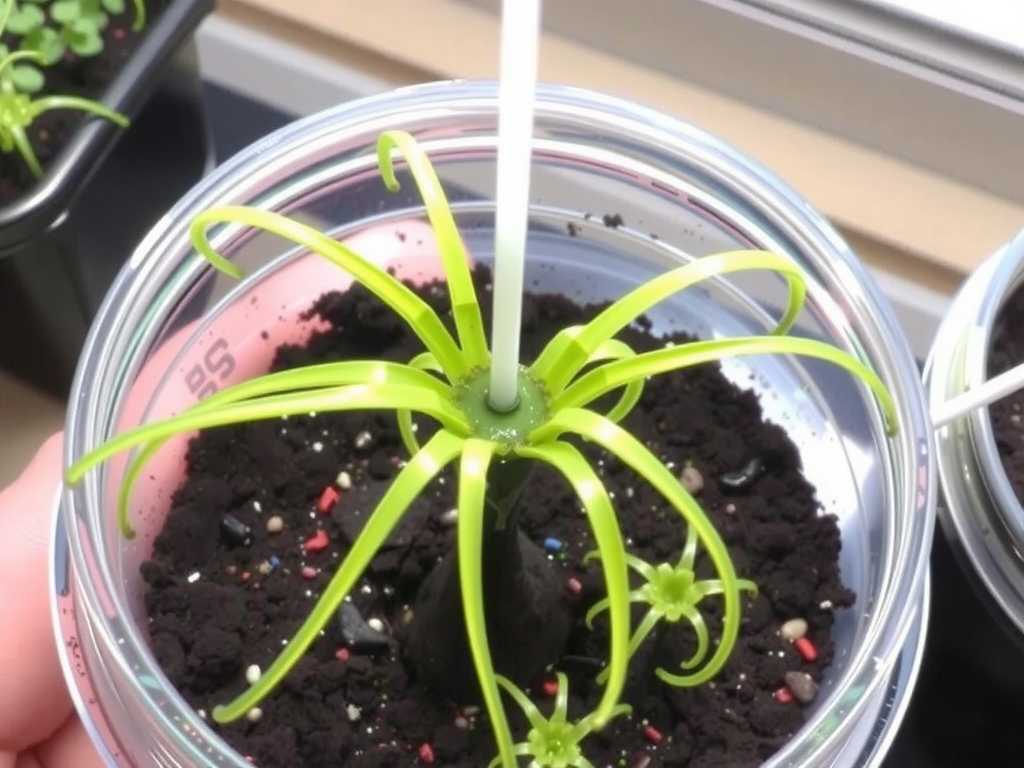
Creating the Right Microclimate Your seedling needs a humid, stable environment. Cover the tray with a clear plastic dome or place it inside a large, sealed transparent bag. This creates a "mini greenhouse." Position it in a location with bright, indirect light—never direct sunlight, which will scorch the tender leaves. A north-facing windowsill or a spot several feet away from an east-facing window is perfect. Maintain a consistent temperature between 68-75°F (20-24°C).
Phase 2: Gradual Hardening Off (Weeks 3-5)
After 10-14 days, you should see signs of new root growth and the leaves looking firmer. Now, begin the slow process of reducing humidity.
Introducing Airflow Start by propping open the plastic cover or unsealing the bag for one hour on the first day. Gradually increase this ventilation time over the next two weeks. This slow introduction to lower humidity encourages the plant to develop a stronger protective cuticle and sturdier cell structure. Expert horticulturist Dr. Eleanor Vance emphasizes that "rushing the hardening-off process is the most common error. It's not a race; it's a gradual training program for the plant."
Monitoring Water and Nutrition Keep the growing medium consistently moist but never soggy. Use a spray bottle to mist the surface. At this stage, you can introduce a very dilute, quarter-strength balanced liquid fertilizer (20-20-20) once a week to support growth, as the initial nutrient reserves from the lab are depleting.
Phase 3: Potting and Establishing in Soil (Week 6 Onward)
Once your spider plantlets have been fully weaned off the high-humidity dome and are showing vigorous new growth, they are ready for their first real pot.
Choosing the Correct Pot and Soil Mix Select a small pot (3-4 inches) with excellent drainage holes. Spider plants prefer to be slightly root-bound, so a small start is better. Use a high-quality, well-aerated potting mix. A good blend is one part standard potting soil, one part perlite, and one part coconut coir for moisture retention and drainage.
The Transplanting Process Gently lift the seedling, preserving as much of the root ball as possible. Make a small hole in the center of the moistened potting mix and place the plant in, ensuring the crown (where leaves meet roots) is level with the soil surface. Press the soil gently to stabilize it. Water it lightly to settle the soil around the roots.
Transitioning to Routine Spider Plant Care Place your newly potted spider plant in that same bright, indirect light location. You can now begin to let the top inch of soil dry out between waterings. Overwatering is a major threat at this stage. Continue with a half-strength balanced fertilizer every 2-4 weeks during the growing season.
Troubleshooting Common Issues
- Yellowing Leaves: Often a sign of overwatering or, less commonly, nutrient deficiency. Check your watering schedule and ensure the pot drains completely.
- Brown Leaf Tips: The classic spider plant signal. This can be due to fluoride or chlorine in tap water, low humidity, or under-watering. Switch to distilled, filtered, or rainwater, and ensure consistent moisture.
- Limp or Wilting Leaves: Likely transplant shock or insufficient roots. Ensure the plant is not in direct sun and maintain high ambient humidity for a few more days by grouping it with other plants or using a pebble tray.
- Lack of Growth: Be patient. The plant is focusing its energy on establishing a robust root system in its new soil environment. Growth will accelerate once it is settled.
Essential Care for Long-Term Success
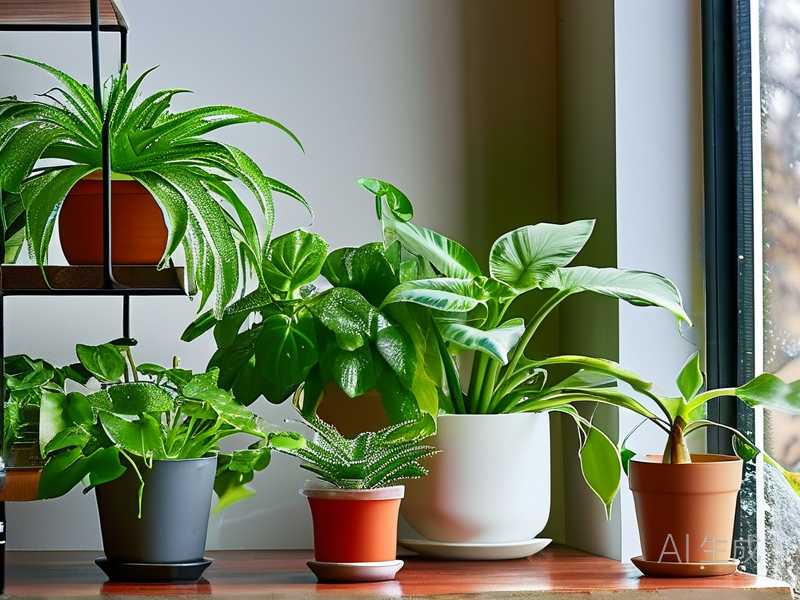
As your plant matures, its needs will standardize. Provide bright, indirect light for the best growth and variegation. Water thoroughly when the top few inches of soil are dry. Spider plants appreciate being root-bound and will produce more offshoots (spiderettes) in this condition. Repot only when roots are visibly circling the pot's exterior. They are non-toxic and excellent for improving indoor air quality, making them a perfect, resilient choice for any home.
Frequently Asked Questions
My seedling seems dormant after transplanting. Is it dead? Do not assume it's dead. It is likely undergoing "transplant shock," where it focuses all energy on root establishment. As long as the crown and leaves are not mushy or completely dried out, maintain stable care. New growth often appears from the center after a few weeks of apparent inactivity.
Can I propagate the offshoots from a tissue-culture-grown spider plant? Absolutely. Once your plant matures and produces its characteristic spiderettes, you can propagate them just like any other spider plant. The fact that it started from tissue culture does not affect its ability to produce viable pups. Simply root the plantlet in water or soil.
Why are my tissue culture seedlings more expensive than regular spider plants? The cost reflects the sophisticated laboratory process. It involves sterile work environments, specialized nutrients, and months of careful cultivation before shipping. You are paying for a genetically identical, disease-free plant and the advanced technology that produces it. The success rate and purity of the variety often justify the premium for serious collectors.
Successfully transitioning spider plant tissue culture seedlings is a rewarding process that connects modern horticultural science with the simple joy of nurturing a plant. By understanding their unique start in life and patiently guiding them through acclimatization, you ensure these delicate beginnings transform into the resilient, air-purifying champions that spider plants are known to be. The key is always to prioritize stability—in moisture, light, and temperature—allowing the plant to adapt at its own pace.