bluename
 spider plant Cutting Propagation: The Ultimate Guide to Selecting the Perfect Cutting Length
You’ve decided to multiply your beloved spider plant, a fantastic choice for any indoor gardener. You snip a runner, place it in water, and wait… only to watch the cutting wilt, turn mushy, or stubbornly refuse to root. Frustration sets in. Was it the water? The light? The time of year? Often, the culprit is overlooked yet fundamental: you started with the wrong spider plant cutting length. Choosing just any offshoot isn't enough; selecting the correct size is the critical first step that dictates everything that follows—rooting speed, plant vitality, and your ultimate success.
This guide cuts through the guesswork. We will delve deep into the science and practical art of selecting the ideal cutting length for spider plant propagation, ensuring you have the foundational knowledge to grow healthy, robust new plants every single time.
Why Cutting Length Isn’t Just About Size
It’s a common misconception that a longer cutting is always better because it has more "plant." In reality, the length of your spider plant cutting (the spiderette or plantlet) directly impacts its energy reserves, rooting potential, and ability to sustain itself during the vulnerable propagation phase. A cutting that is too small lacks the resources to push out new roots. One that is too large may struggle to support excessive foliage without an established root system, leading to rot or stress.
Expert Insight: Horticulturist Dr. Linda Chalker-Scott emphasizes in her work on plant physiology that "propagule size is directly correlated with stored carbohydrates and hormones. An optimally sized cutting has the perfect balance of resources to fuel root initiation without being a burden to maintain."
The Goldilocks Zone: Ideal Length Criteria for Spider Plant Cuttings
So, what is the "just right" measurement? For successful spider plant cutting propagation, aim for plantlets that meet the following visual and physical criteria.
Optimal Visual Indicators: More Than Just Inches
While a specific measurement is helpful, your primary guide should be the cutting's overall development stage. The perfect candidate is a spiderette that has clearly begun its independent life on the runner.
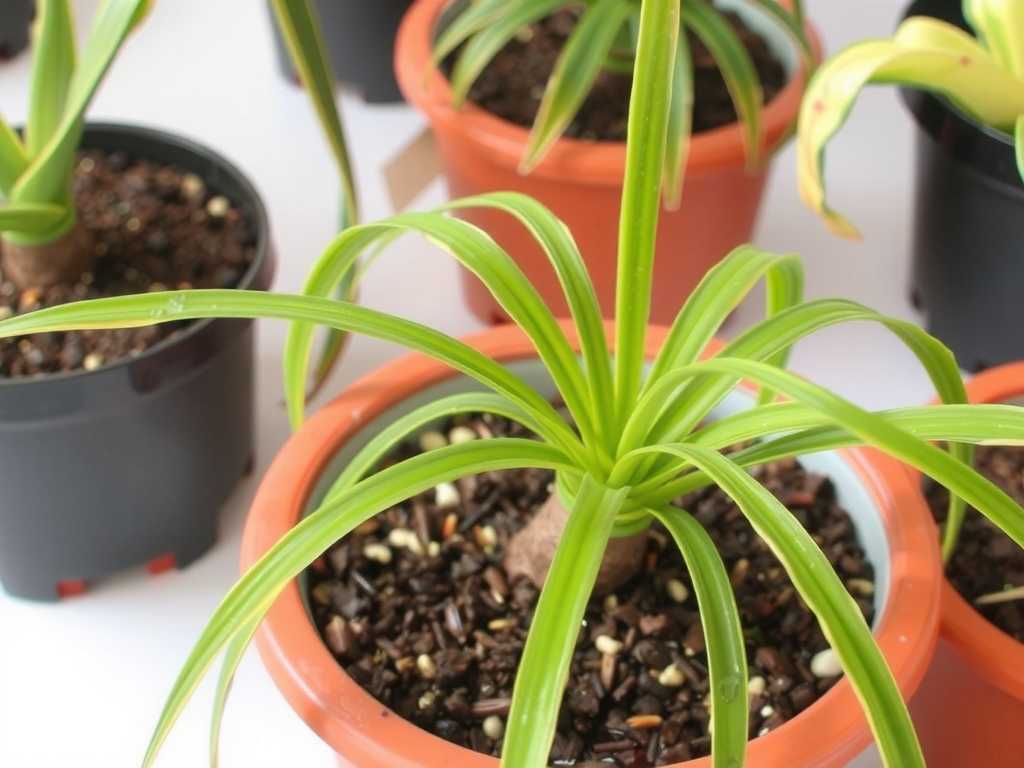
- Size Range: The ideal spider plant cutting length is typically between 3 to 6 inches (7.5 to 15 cm) from the base of the plantlet to the tip of its longest leaf. This size generally indicates sufficient maturity.
- Root Nubs Are Key: This is the most critical sign. Look for the tiny, bumpy protrusions at the base of the plantlet. These are aerial root primordia—pre-formed root cells waiting for moisture to activate. A cutting with several visible nubs (at least 3-5) will root dramatically faster than one without.
- Foliage Development: The plantlet should have a small, central rosette of leaves, usually numbering 5-8 leaves. The leaves should appear firm, fully unfurled, and a healthy green, not pale, yellowing, or curled.
What to Avoid: Recognizing Poor Candidates
Knowing what not to choose is equally important for propagation success.
- Too Small: Plantlets less than 2 inches long that are just tiny nubs on the stolon. They lack adequate leaf surface for photosynthesis and stored energy.
- Too Large & Mature: Very large, older spiderettes that may have already started producing their own runners. These are better suited to being planted directly into soil as a division, as their water propagation may lead to leaf tip die-back.
- Unhealthy Specimens: Avoid cuttings with brown, mushy bases, yellowing leaves, or signs of pest damage. Always start with the healthiest material possible.
Step-by-Step: How to Select and Separate the Perfect Cutting
Now, let's apply the criteria. Follow this process to ensure a clean selection and separation.
- Identify: Scan the mother plant's runners (stolons) for plantlets that match the optimal indicators described above.
- Inspect: Gently examine the base of the chosen spiderette for those crucial root nubs and check leaf health.
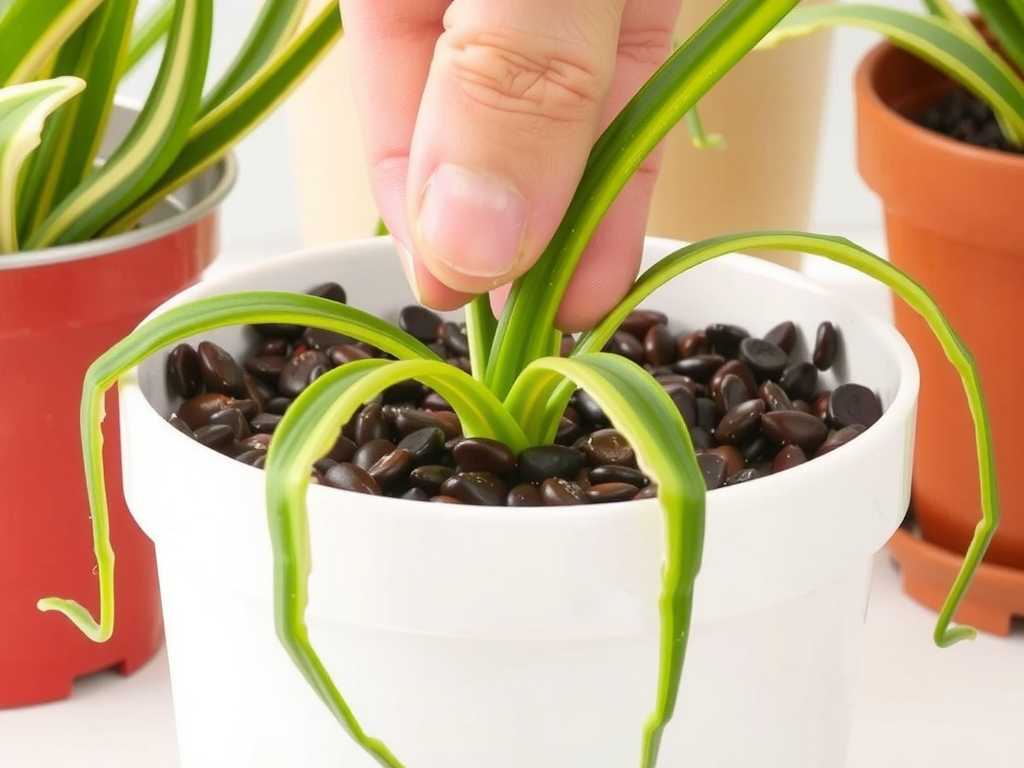
- Separate: Using clean, sharp scissors or pruning shears, cut the runner about 1-2 inches behind the plantlet itself. You can leave a short piece of the stolon attached; it often dries back or may even root. Avoid pulling or tearing the plantlet away.
- Prepare (Optional): For cuttings going directly into soil, some gardeners recommend a brief 15-minute callusing period for the cut end to reduce rot risk, though this is less critical for spider plants than for succulents.
Propagation Method and Its Relation to Cutting Size
Your chosen propagation method can slightly influence your ideal cutting selection criteria.
- Water Propagation: The most popular method. Your 3-6 inch cutting with root nubs is perfect. Ensure only the very base is submerged. Change water weekly.
- Direct Soil Propagation: Slightly larger, well-established cuttings (on the 4-6 inch end) can handle this transition well. The soil must be kept lightly moist but not soggy. A rooting hormone can be used but is rarely necessary given spider plants' prolific nature.
- Stolon (Runner) Propagation: For a foolproof approach, you can pin a still-attached plantlet (meeting the size criteria) onto a small pot of soil while it’s connected to the mother plant. Sever the runner only after it has rooted firmly. This method provides the cutting with continuous hydration and nutrients.
Troubleshooting: Common Issues Linked to Cutting Length
- Cutting Rotting in Water: Often due to leaves being submerged or using a cutting that was already damaged or too immature. Ensure only the bare stem is in water.
- No Root Development After Weeks: The most likely cause is a cutting taken without aerial root primordia. It will still root but takes much longer. Patience is required, or restart with a better-suited plantlet.
- Leaves Turning Yellow or Brown: This can signal shock (if the cutting was too small), rot (if too much plant is in water/soil), or a normal process where the cutting reallocates energy from older leaves to root production.
Will a very small spiderette without any root bumps ever grow? Yes, it can, but it requires significantly more time and patience. The plantlet must first develop its root primordia from scratch, which draws heavily on its limited energy stores. For reliable and faster results, waiting for a more developed plantlet is strongly advised.
Can I propagate a single leaf cutting from a spider plant? No, spider plants cannot be propagated from a single leaf alone. Successful propagation requires a portion of the stem tissue (the crown or base of the plantlet) where the growth nodes and root primordia are located. A lone leaf in water will simply wilt and die.
How long should the roots be before potting a water-propagated cutting? Wait until the roots are at least 1-2 inches long and have developed secondary, branching rootlets. This robust system, which typically takes 2-4 weeks, helps the plant establish itself in soil more effectively, reducing transplant shock.
Mastering the selection of the correct spider plant cutting length transforms propagation from a hopeful experiment into a guaranteed success. By focusing on plantlets that are 3 to 6 inches long, display visible aerial root nubs, and possess healthy foliage, you provide your new plant the best possible start. This careful initial choice, grounded in an understanding of the plant's energy needs, ensures a swift transition to a rooted, growing plant. Apply these selection criteria for cutting length during your next propagation session, and watch your spider plant family thrive and multiply with ease.