bluename
 The Ultimate Guide to spider plant Hydroponic Propagation: Timing for Adding Nutrient Solution
You’ve successfully snipped a healthy spider plant pup, placed it in a clear glass of water, and watched with joy as tiny white roots begin to emerge. But then, doubt creeps in. The water looks clean, but is it enough? When do you add that bottle of hydroponic nutrients sitting on your shelf? Adding it too early can harm delicate new roots, while waiting too long can starve your developing plant. Getting the timing wrong is the most common mistake that stalls growth or even leads to failure in hydroponic propagation.
This guide cuts through the confusion. We’ll walk you through the exact signs and stages that tell you when your spider plant is truly ready for its first nutrient meal, setting you up for a thriving, soil-free plant.
Understanding the Hydroponic Propagation Journey
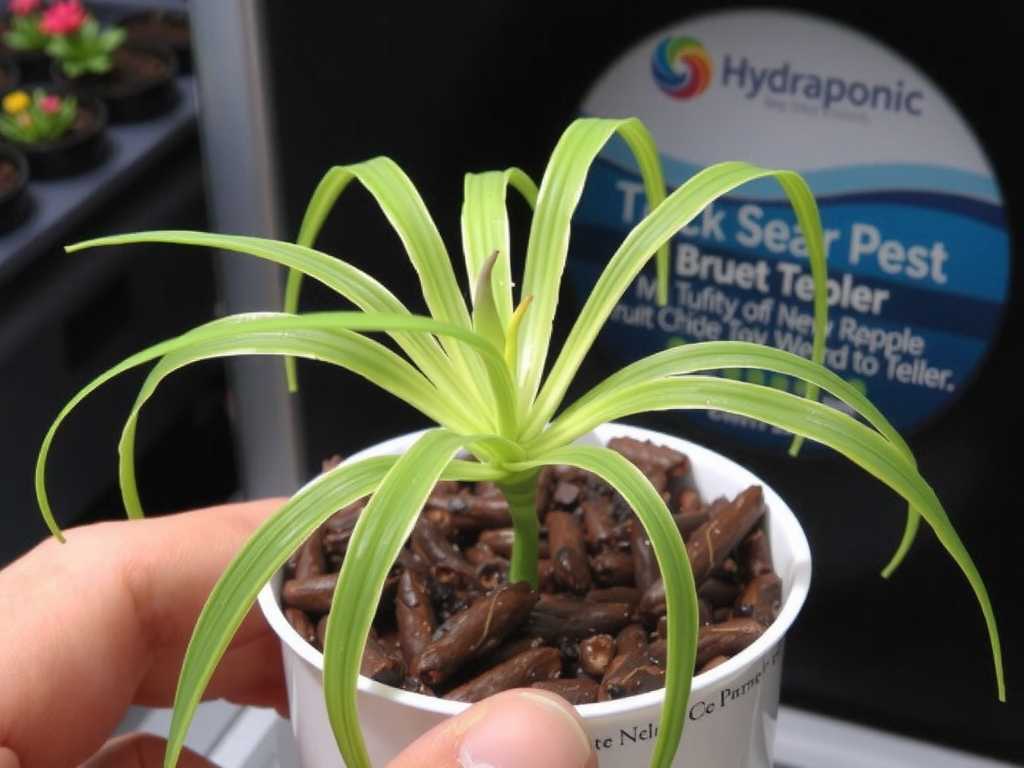
Spider plants (Chlorophytum comosum) are famously resilient, making them perfect candidates for water propagation. However, transitioning a cutting from plain water to a nutrient-rich hydroponic solution is a delicate process that requires careful timing. The goal is to support the plant’s natural growth cycle without overwhelming it.
The Critical Root Development Phase
When you first place a spider plant pup or a cutting with nodes into water, its sole mission is to develop a primary root system. These initial roots, often called water roots or adventitious roots, are different from soil roots. They are finer and more adapted to absorbing oxygen and water directly.
During this phase, the plant lives off the energy stored in its leaves and stem. Adding a full-strength hydroponic nutrient solution now is not only unnecessary but potentially harmful. The delicate new root tissues can be “burned” or damaged by the mineral salts in nutrients, a form of fertilizer burn. Furthermore, without a robust root system to absorb them, excess nutrients can lead to algal growth in your water container.
So, when is the right time? The shift is triggered by one key factor: root maturity.
Key Signs Your Spider Plant is Ready for Nutrients
Don’t mark your calendar; observe your plant. Timing is not about a fixed number of days but about reaching specific developmental milestones.
1. The Primary Root System is Established Look for a network of roots, not just a few strands. A good rule of thumb is to wait until the main roots are at least 2-3 inches long and, crucially, have begun to develop their own smaller lateral roots. These secondary roots look like fine, hairy offshoots from the main roots. This branching indicates the root system is mature enough to actively seek out and uptake nutrients. A single, long root without branches is not yet ready.
2. The Transition from Water Roots to “Feeder” Roots As the roots mature, they will become slightly more substantial and opaque. This visual change signals they are developing the capacity to handle more than just water. Horticulturist Dr. Linda Chalker-Scott notes in her work on plant physiology that “adventitious roots undergo structural changes to become functional absorptive organs.” In simple terms, they’re gearing up to feed.
3. New Foliage Growth is Imminent or Has Started Often, you’ll see the very beginning of new leaf growth from the center of your spider plant pup. This is a clear signal from the plant that its initial root system is in place and it’s ready to redirect energy into top growth. This new growth will require a steady supply of nitrogen and other macro-nutrients that plain water cannot provide.
The Step-by-Step Guide to Adding Nutrient Solution
Once you’ve confirmed the signs above, follow this process to introduce nutrients safely and effectively.
Step 1: Start with a Diluted Solution Never begin with a full-strength dose. For the first nutrient application, prepare a solution at ¼ to ½ the strength recommended on your hydroponic nutrient bottle for mature plants. This gentle approach provides essential elements without shocking the system.
Step 2: Refresh the Environment Gently remove your spider plant from its propagation vessel. Discard the plain water and rinse the container to remove any biofilm. Place the plant back in the container and add your freshly mixed, diluted nutrient solution. Ensure only the roots are submerged, not the base of the plant (the crown), to prevent rot.
Step 3: Monitor and Adjust Observe your plant closely over the next 3-7 days. Signs of a positive response include continued root growth (roots may appear whiter and more vigorous) and the steady development of new leaves. If you see any browning or softening of root tips, you may have moved too quickly. Change back to plain water for a week to allow recovery before trying again with an even more diluted solution.
Step 4: Establish a Maintenance Routine After the successful first feeding, you can gradually increase the nutrient strength over subsequent water changes. A common schedule is to change the nutrient solution every 7-14 days, topping up with plain water if levels drop in between. For spider plants, a balanced, general-purpose hydroponic formula (with equal parts N-P-K) works perfectly. They are not heavy feeders, so maintaining a half-strength solution is often sufficient for long-term health.
Optimizing Long-Term Hydroponic Health
Getting the initial timing right sets the foundation, but ongoing care is key.
Preventing Algae and Maintaining Oxygen Use an opaque container or wrap a clear one to block light, which fuels algae growth that competes for nutrients. Ensure your container isn’t overcrowded with roots, as they need oxygen. Some growers use a simple air stone from an aquarium pump to oxygenate the water, especially as the root mass grows large.
Recognizing Nutrient Signals Learn your plant’s language. Pale new leaves can indicate a need for slightly stronger nutrients or more frequent feeding. Brown leaf tips, common in spider plants, are more often related to fluoride in water or low humidity than nutrient overload. If roots become slimy or dark, revert to plain water immediately to address potential rot.
How long can a spider plant live in just water without nutrients? Spider plants can survive in plain water for many months, even a year, but they will not thrive. Growth will be very slow, and leaves may become pale and less robust due to nutrient deficiency. The plant is essentially in survival mode. For vigorous growth and the production of new pups, introducing a diluted nutrient solution at the right time is essential.
Can I use regular plant fertilizer for my hydroponic spider plant? It is not recommended. Regular water-soluble garden fertilizers are designed for use in soil, where microbial activity helps break them down. In a hydroponic setting, they can cause salt build-up, pH imbalance, and root damage. Always use a fertilizer specifically formulated for hydroponics, as these contain nutrients in forms readily available to plants in water.
What if I added nutrients too early by mistake? Don’t panic. Immediately remove the plant from the nutrient solution. Gently rinse the roots with clean, lukewarm water to wash away excess salts. Place it back in a container with fresh, plain water. Monitor for root damage (soft, brown roots) and trim any affected parts with sterile scissors. Allow the plant to recover and re-establish healthy white roots before attempting to introduce nutrients again, following the diluted approach outlined above.
Mastering the timing for adding nutrient solution transforms spider plant hydroponic propagation from a guessing game into a reliable science. By patiently waiting for a mature root system with lateral branches, then initiating feedings with a gentle, diluted solution, you provide the perfect bridge from propagation to sustained growth. This mindful approach aligns with the plant’s natural biology, ensuring your spider plant develops a strong foundation for a long, healthy, and verdant life in water. Watch for those key signs, start slow, and you’ll be rewarded with a lush, thriving plant that is a testament to your perfect timing.