bluename
 spider plant Division Propagation: Operation Sequence for Separating Multiple Clumps
You’ve nurtured your spider plant into a thriving, lush specimen. Now, it’s spilling over its pot, bursting with baby plantlets and dense clusters of roots. While a sign of success, this overgrowth presents a clear problem: it’s choking itself, leading to stunted growth, uneven watering, and a less healthy appearance. Simply repotting the entire mass isn’t the answer; it only postpones the issue. The definitive solution is spider plant division propagation. This technique not only revitalizes your mother plant but also creates multiple new, independent plants from those crowded clumps. Mastering the correct operation sequence for separating multiple clumps is crucial to avoid root damage and ensure every division thrives.
Why Division is the Superior Propagation Method for Mature Spider Plants

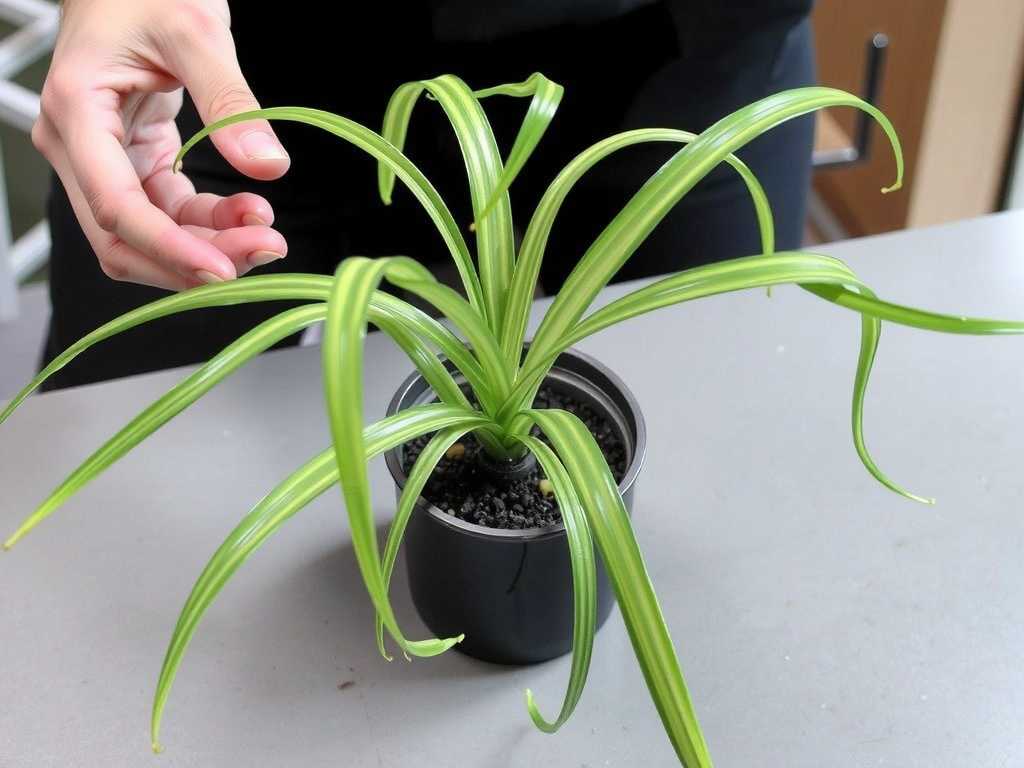
While spider plants are famously propagated via their stolon-borne plantlets (spiderettes), division is often the best and sometimes the only practical method for a mature, pot-bound plant. When the center of the plant becomes too dense, it can die back, and the plantlets may not receive enough energy to develop robustly. Division directly addresses this core issue. Horticulturists at the Royal Horticultural Society note that division is a form of vegetative propagation that guarantees the new plants will be genetically identical to the parent, preserving variegation patterns that might not always come true from seed. It’s a fast-track to mature plants and the most effective way to manage and rejuvenate an overgrown specimen.
Pre-Division Preparation: Gathering Your Tools and Setting the Stage
A successful separation begins long before you make the first cut. Proper preparation minimizes stress on the plant and sets you up for a smooth process.
First, assemble your tools. You will need: a clean, sharp knife or a pair of sterilized garden shears (wipe blades with rubbing alcohol); a trowel; fresh, well-draining potting mix suitable for houseplants; several new pots with drainage holes; a watering can; and a workspace you can easily clean, like a table covered with newspaper.
Next, prepare the plant. Water your spider plant thoroughly 24 hours before the planned division. This hydrates the roots, making them more flexible and less brittle, which is critical for the separating process. It also helps the soil hold together slightly, making it easier to remove the root ball from the pot.
The Core Operation: A Step-by-Step Sequence for Separating Clumps
This is the heart of the process. Following this logical sequence ensures you handle the root system with care and identify natural separation points.
Step 1: Remove and Inspect the Root Ball Gently tilt the pot and coax the entire plant out. You may need to run the trowel around the inside edge or tap the pot’s sides. Once free, place the root ball on your workspace. Begin by manually loosening and removing the old soil from around the roots. This allows you to clearly see the root architecture. Gently tease apart the outer roots with your fingers. Your goal here is not to separate yet, but to expose the structure and identify where the plant has naturally formed distinct clumps or “offsets” around the base.
Step 2: Identify Natural Separation Points Look for the crowns—the points where leaves emerge from the roots. A congested spider plant will have multiple, intertwined crowns. Your job is to trace the roots back from each crown cluster. Often, you will find that several crowns share a common, thicker root mass but can be logically grouped. The key is to look for sections that can sustain themselves, ideally with their own healthy, white roots and several leaves. Avoid creating divisions that are too small (just one or two leaves), as they will recover very slowly.
Step 3: The Physical Separation of Root Clumps For loosely connected clumps, your hands may be sufficient. Gently but firmly pull the identified sections apart, working from the outside in, always prioritizing the preservation of roots. For tough, woody central masses where roots are inseparably tangled, this is where your sterilized knife becomes essential. Carefully slice through the root mass to create your divisions. Make clean cuts; don’t tear. Each new division should have a substantial amount of healthy roots attached to its leafy top growth. It’s better to have fewer, stronger divisions than many weak ones.
Step 4: Potting Up Your New Spider Plant Divisions Fill your new pots one-third full with fresh potting mix. Place a division in the center, holding it so the crown (where the leaves meet the roots) sits just below the pot’s rim. Gently add soil around the roots, tamping it down lightly to remove large air pockets. Ensure the crown is at the same soil level as it was originally—planting too deep can cause rot. Leave about an inch of space at the top for watering.
Post-Division Care: Ensuring Successful Establishment
The work isn’t over once they’re potted. Proper aftercare is what transforms your divisions into established plants.
Water each newly potted division thoroughly until water runs freely from the drainage holes. This settles the soil around the roots. Then, place the pots in a location with bright, indirect light. Avoid direct sun, which can scorch the plants while they are vulnerable. The next critical step is to allow the plants a recovery period. Let the top inch of soil dry out before watering again. Overwatering is the greatest threat now, as the disturbed roots are highly susceptible to rot.
You may notice some leaf stress, such as browning tips or slight wilting, in the first few weeks. This is normal as the plant redirects energy to root regeneration. Resist the urge to fertilize for at least 4-6 weeks; fresh potting mix contains nutrients, and fertilizer can burn new roots.
Troubleshooting Common Issues After Division
Even with perfect technique, sometimes plants need extra help. If a division wilts severely, create a mini-greenhouse effect by placing a clear plastic bag loosely over the pot to increase humidity. Remove it for an hour each day to prevent mold. If leaves develop significant brown tips, check your watering routine and consider that your tap water’s fluoride or chlorine might be the culprit; using distilled or rainwater can help. If growth seems completely stalled after two months, gently check for root development. If roots haven’t expanded, the division may have been too small and might need even more careful, consistent care.
How long does it take for divided spider plants to show new growth? You can expect to see signs of new growth, such as a fresh leaf emerging from the center, within 2 to 4 weeks under ideal conditions. However, the primary focus for the first month is underground root establishment. Visible top growth is a clear indicator that the division has successfully taken root and is beginning to thrive in its new space.
Can I divide a spider plant that has baby plantlets (spiderettes) on it? Absolutely. You have two excellent options. First, you can proceed with the division of the main plant and simply leave the plantlets attached to their stolons on the new divisions; they will continue to develop. Alternatively, you can snip off the plantlets, root them in water or soil separately as an additional propagation project, and then divide the main plant. This gives you a maximum number of new plants from a single operation.
What is the best time of year to perform spider plant division? The optimal time is during the active growing season, in spring or early summer. The increasing light and warmer temperatures support faster root recovery and new growth. While spider plants are resilient and can be divided indoors year-round if necessary, division performed in fall or winter may result in a much slower recovery period.
Mastering the operation sequence for separating multiple clumps transforms a daunting task into a simple, rewarding process. By preparing properly, identifying natural divisions, making clean separations, and providing attentive aftercare, you directly solve the problem of an overgrown plant. You not only restore vitality to the original spider plant but also multiply your greenery, ensuring each new clump has the space and resources to develop into a robust, air-purifying specimen. The success of this method lies in its logical, step-by-step approach, turning a crowded pot into a collection of thriving, independent plants.