 admin
admin Spider Plant Propagation: Survival Rate Comparison Between Hydroponics vs. Soil Culture
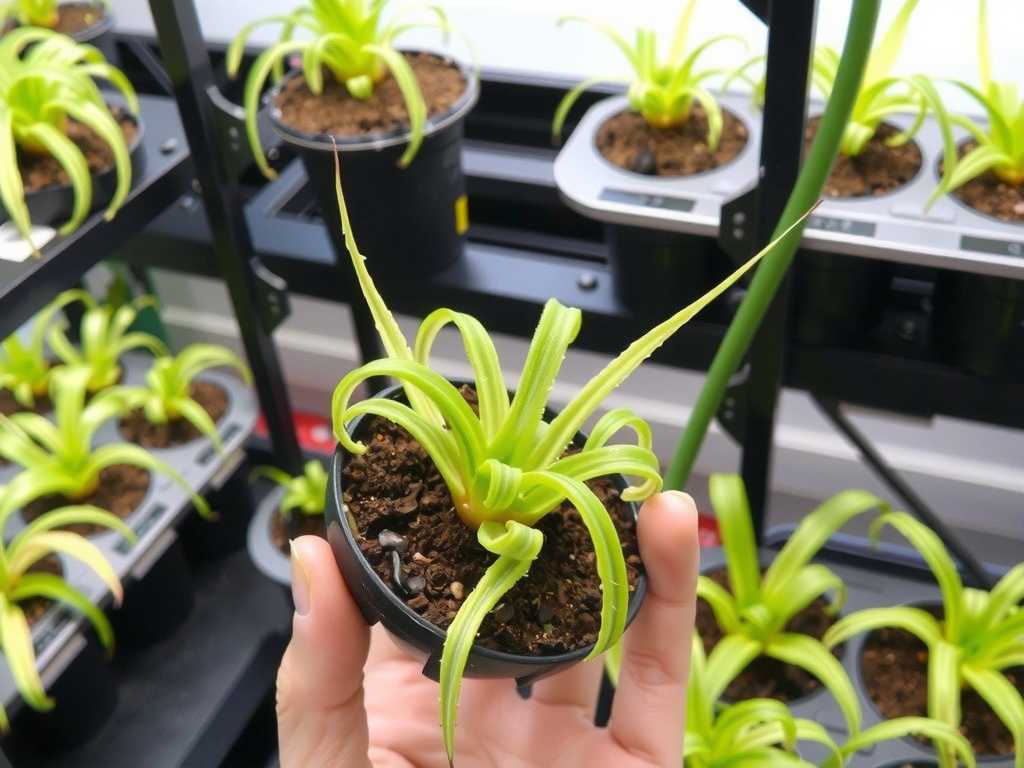
You've lovingly nurtured your spider plant, and now it's rewarding you with a cascade of adorable little plantlets, or "spiderettes." The excitement of creating new plants is palpable. But then, the hesitation sets in. Should you pop those babies in a jar of water, watching roots sprout in a clear glass, or tuck them directly into a pot of soil? The big question looms: which method gives your new spider plants the best chance to not just survive, but truly thrive? This guide cuts through the uncertainty, providing a clear, evidence-based survival rate comparison between hydroponics and soil culture for spider plant propagation. We'll analyze the pros, cons, and hard numbers so you can choose the most successful path for your green offspring.
Understanding the Fundamentals of Spider Plant Propagation
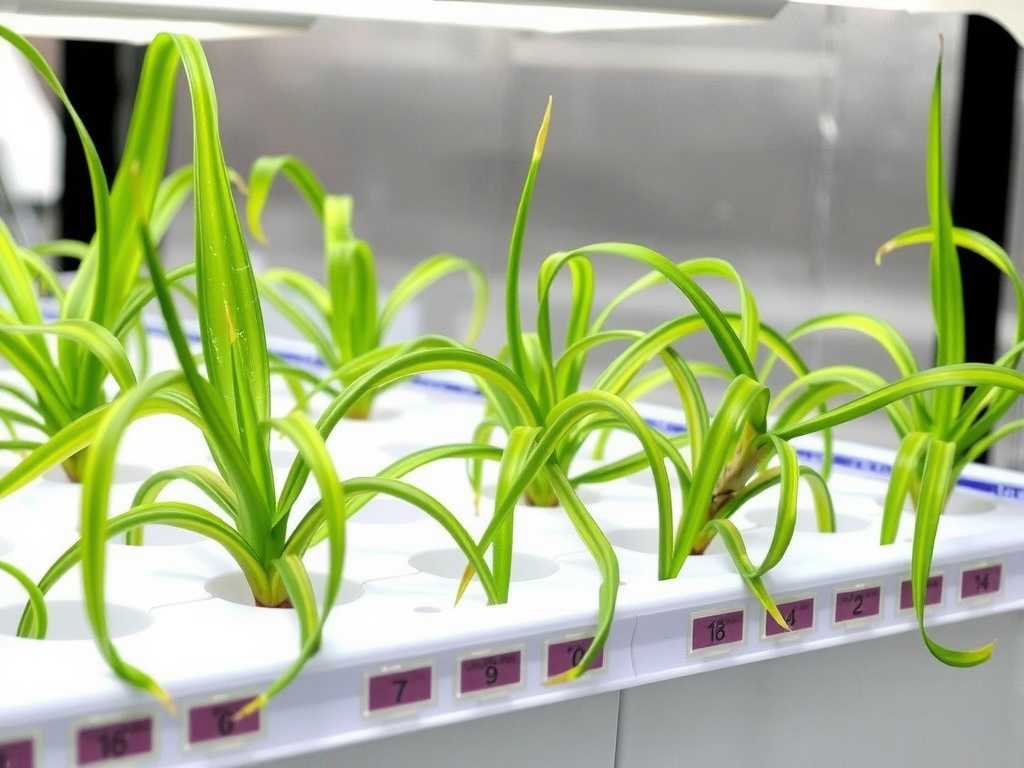
Before we dive into the comparison, let's establish what both methods entail. Spider plants (Chlorophytum comosum) are famously prolific propagators. They send out long stems called stolons, which produce plantlets complete with tiny root nubs.
In soil propagation, you typically detach a healthy spiderette (often while still attached to the mother plant for a technique called "layering") and plant its base directly into a moist, well-draining potting mix. The goal is for those initial root nubs to develop further in the soil environment.
Hydroponic propagation, specifically water propagation in this context, involves placing the base of the spiderette in a container of clean water, submerging only the root nub area. The plant then develops a separate, water-adapted root system before eventually being transferred to soil—a process known as "transitioning."
The Core Showdown: Hydroponic vs. Soil Propagation Survival Rates
Let's address the central query head-on. While survival rates can vary based on environment and care, general horticultural observation and gardener consensus point to a clear trend.
Initial Rooting Success: Hydroponics Takes an Early Lead
In the short-term race to develop visible roots, hydroponics is the undisputed winner. Placing a spiderette in water often yields dramatic, fast-growing roots within 7-14 days. This visible progress is highly rewarding and allows you to monitor root health directly. The constant availability of water and oxygen (if the water is changed regularly) creates an ideal environment for initial root cell development. For the sheer speed and certainty of the rooting phase, water propagation boasts a near 95-100% initial success rate for healthy spiderettes.
Soil propagation, in contrast, operates on a "trust the process" basis. You plant the spiderette and must maintain consistently moist (not soggy) soil, waiting for signs of new growth above the soil as an indicator of success below. This method can be slightly slower, and the risk of the soil drying out or staying too wet can impact early development. However, a well-executed soil start has a very high success rate, often cited between 85-95%.
The Critical Transition: Where Soil Propagation Gains Ground
The survival rate story doesn't end at root development. This is where the long-term spider plant survival rate in hydroponics versus soil reveals a more nuanced picture.
Spiderettes rooted in water develop "water roots"—thin, fibrous roots adapted to an aquatic environment. The major challenge comes during the transition from water propagation to soil. These water roots can be delicate and sometimes struggle to adapt to the physical resistance and different moisture/nutrient dynamics of soil. This transition shock can lead to wilting, root loss, or stunted growth, potentially lowering the long-term survival rate of water-started plants if not handled with extreme care.
Spiderettes propagated directly in soil develop "soil roots" from the very beginning. These roots are structurally robust and immediately adapted to their permanent growing medium. There is no transition shock. Once established in the soil, they continue growing without interruption. Therefore, while the initial sign of success is less visible, the long-term viability of soil-propagated spider plants is often higher, as they bypass a risky transplant phase entirely. They establish a stronger, more resilient foundation from day one.
A Detailed Breakdown: Pros, Cons, and Best Practices
To make an informed choice, let's examine each method's full profile.
Hydroponic (Water) Propagation: The Visual Method
-
Pros:
- High Visibility & Satisfaction: You can watch every millimeter of root growth, which is educational and motivating.
- Faster Initial Rooting: Roots often appear more quickly than in soil.
- No Soil Mess: A clean and simple setup.
- Easy Monitoring: Root rot or problems are immediately visible.
-
Cons & Risks:
- Transition Shock: The move from water to soil is a critical, often stressful event for the plant.
- Fragile Roots: Water roots are more susceptible to damage during planting.
- Nutrient Deficiency: Plain water lacks nutrients, so prolonged propagation can weaken the plantlet.
- Algae & Bacterial Growth: Water needs frequent changing to stay clean and oxygenated.
-
Expert Tip for Success: To improve the hydroponic spider plant success rate, use opaque containers to limit light exposure (reducing algae) and change the water every 3-5 days. When roots are 2-3 inches long, transition the plant to a very moist, peaty potting mix. Keep the soil consistently damp (like a wrung-out sponge) for the first 2-3 weeks to help the roots acclimate, gradually reducing to a normal watering schedule.
Soil Propagation: The Direct-to-Home Method
-
Pros:
- No Transition Shock: The plant establishes permanently from the start.
- Stronger Root System: Develops hardy roots suited for soil from the outset.
- Higher Long-Term Establishment Rate: Fewer steps mean fewer points of potential failure.
- Less Maintenance: Once planted, it requires standard care without water-changing duties.
-
Cons & Risks:
- "Black Box" Phase: You can't see what's happening underground, requiring patience and faith.
- Moisture Management: Balancing soil moisture is crucial; too dry stalls growth, too wet causes rot.
- Slightly Slower Initial Signs: You may wait longer to see new leaf growth as energy goes to roots first.
-
Expert Tip for Success: Use a light, airy propagation mix (e.g., peat/perlite). For the best soil culture success rate for spiderettes, consider the "layering" method: place a small pot of soil next to the mother plant, pin the spiderette onto the soil while still attached, and keep it moist. Once rooted, sever the stolon. This provides the plantlet with nutrients from the mother plant during the critical rooting phase, boosting success dramatically.
Making Your Choice: Which Method is Right for You?
- Choose Hydroponic Propagation if: You are a visual learner, want to involve children in the plant growth process, enjoy the aesthetic of roots in glass, or are propagating only a few plantlets you can monitor closely during transition.
- Choose Soil Propagation if: You prioritize long-term ease and establishment, are propagating many plantlets, prefer a "set it and forget it" approach after planting, or are a beginner wary of the water-to-soil transition.
Can you propagate a spider plant directly in soil without rooting in water first? Absolutely, and many expert gardeners recommend it. Spider plants are pre-adapted to soil propagation. The tiny root nubs on the spiderettes are primed to grow in a moist soil medium. Planting them directly eliminates the stress of acclimating water roots to soil later, often leading to a sturdier, faster-growing plant in the long run.
How long does it take for a spider plant to root in water versus soil? In water, you will typically see the first white, fibrous roots emerging within 7 to 14 days under ideal conditions (bright, indirect light, warm temperatures). In soil, root development begins immediately but is not visible. Signs of successful soil rooting, like new leaf growth or resistance when gently tugged, usually appear within 2 to 4 weeks.
What is the most common reason for propagation failure in either method? For water propagation, the most common failure point is the transition to soil, often due to planting the delicate water roots in too-dense soil or allowing them to dry out or rot during acclimation. For soil propagation, the leading cause of failure is incorrect moisture—usually overwatering leading to rot, or underwatering which desiccates the fledgling roots before they can establish. Consistency is key for both methods.
Ultimately, both hydroponic and soil propagation are valid, effective ways to create new spider plants. If your primary goal is witnessing root growth and you are committed to a careful transition process, water propagation is wonderfully effective. However, for the highest probability of seamless, long-term survival and robust growth, propagating spider plant babies directly in soil offers a more straightforward and reliable path. By understanding the strengths and challenges of each, you can confidently choose the technique that best fits your gardening style and set your spiderettes up for a lifetime of lush, vibrant growth.
发表评论