bluename
 spider plant Runner Propagation: Techniques for Utilizing Multiple Runners
You've watched with delight as your spider plant sends out elegant, arching stems adorned with tiny plantlets. But now, you have not just one, but a cascade of multiple runners, and a question arises: what's the best way to handle this abundance? The sight of numerous runners can be overwhelming for any plant enthusiast. Should you cut them all? Leave them attached? How can you efficiently turn this vegetative bounty into a lush collection of new plants without harming the mother plant or creating a tangled mess? This guide is designed to transform that uncertainty into confidence, providing clear, step-by-step techniques for expertly managing and propagating from multiple spider plant runners.
Understanding the opportunity presented by multiple runners is the first step. A single spider plant (Chlorophytum comosum) producing several stolons simultaneously is a sign of a healthy, mature, and happy plant. It indicates optimal light, water, and nutrient conditions. Rather than a problem, this is your plant's way of offering you the gift of easy propagation. By learning the right techniques, you can maximize this natural reproductive strategy to expand your indoor jungle, create thoughtful gifts, or simply cultivate a fuller, more magnificent parent plant.
Why Your Spider Plant Produces Multiple Runners
Before diving into the techniques, it's helpful to understand the "why." Spider plants primarily propagate vegetatively through stolons, or runners, as a survival and expansion mechanism in their native environment. When a plant is root-bound, experiences long daylight hours, and has its basic needs met, it shifts energy from pure leaf growth to reproduction. Multiple runners are its most efficient way to ensure genetic spread. According to horticulturalists, this is a stress-free form of propagation for the plant, far less energy-intensive than flowering and seed production. By working with this natural instinct, you're simply guiding a biological process to a successful conclusion.
Pre-Propagation Assessment: Evaluating Your Runners
Not all runners and plantlets are created equal. A crucial first technique is to assess your multiple runners before taking any action.
- Plantlet Size: Look for plantlets that have developed their own root nubs or small aerial roots. These are primed for success. Very small plantlets without root initials may struggle.
- Runner Health: Examine the stolon itself. Is it green and firm, or brown and brittle? A healthy runner can often be left attached to nourish the baby plants longer.
- Mother Plant Vitality: Ensure your main plant is healthy. Propagating from a stressed plant can hinder the recovery of both the parent and the offspring.
- Your End Goal: Decide if you want many individual new pots, a single fuller mother plant, or a dramatic hanging display with cascading runners left intact.
Core Technique 1: The Individual Potting Method for Maximum New Plants
This is the most common and effective method for utilizing multiple runners to create numerous independent plants. It’s ideal when you have many well-developed plantlets.
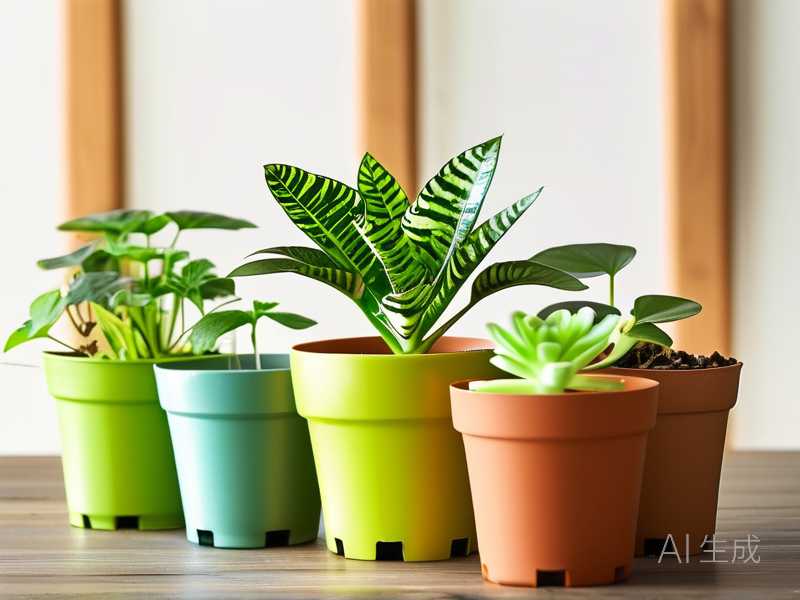
- Gather Supplies: You’ll need clean, sharp scissors or pruning shears, small pots (3-4 inches) with drainage holes, and a well-draining potting mix. A lightweight mix amended with perlite is perfect.
- Select and Separate: Choose the most mature plantlets from your runners. Cut the stolon about 1-2 inches away from the plantlet, leaving a short "handle." You can propagate several plantlets from a single runner by cutting between them.
- Potting: Fill your pots with moistened potting mix. Create a small hole and place the plantlet's root nubs into the soil. Gently firm the soil around the base. The key is not to bury the crown (where leaves meet) too deeply.
- Initial Care: Water lightly to settle the soil. Place the new pots in a location with bright, indirect light. Maintain consistent moisture (but not sogginess) for the first few weeks as the roots establish. You can group pots together to create a humid microclimate.
Core Technique 2: The Stolon-Guided Cluster Planting for a Fuller Look
This advanced technique is excellent for using multiple runners to create one spectacularly dense and trailing plant, either in a larger pot or a hanging basket.
- Strategic Positioning: Instead of cutting the plantlets free, guide the runners so that the plantlets make contact with the soil in the same pot as the mother plant or a new, larger adjacent pot.
- Secure the Plantlets: Use a bent paperclip, a small piece of wire, or a hairpin to gently pin the plantlet's base to the soil surface, ensuring the root nubs are in contact.
- Root and Sever: Keep the soil consistently moist in that area. Within a few weeks, the plantlet will root into the soil. Once it is firmly rooted and shows new growth, you can then sever the stolon connecting it to the mother plant. Repeat this process with multiple plantlets from different runners around the pot's perimeter.
- The Result: This method creates an instant, lush cluster of spider plants that appear as one voluminous specimen, with leaves and runners filling the space beautifully.
Essential Care Tips During and After Propagation
Successfully utilizing multiple runners doesn’t end with potting. Proper aftercare ensures a high survival rate.
- Light: Provide bright, indirect light. Avoid direct hot sun, which can scorch tender new plants and stress the mother plant.
- Watering: The goal is consistently lightly moist soil. Overwatering is the fastest way to cause rot, especially in plantlets with nascent root systems.
- Nutrition: Hold off on fertilizer for the first 1-2 months after propagation. Once new growth is evident, apply a balanced, diluted liquid fertilizer monthly during the growing season.
- Managing the Mother Plant: After removing multiple runners, your original plant may redirect energy to leaf growth. This is a good time to assess if it needs repotting. You can also choose to leave one or two runners attached for aesthetic appeal.
Troubleshooting Common Issues with Multiple Runner Propagation
Even with the best techniques, challenges can arise.
- Plantlets Wilting After Separation: This usually indicates underwatering, shock, or insufficient root development pre-separation. Increase ambient humidity by misting or using a humidity tray and ensure soil moisture is consistent.
- Rotting at the Base: A sign of overwatering or poor drainage. Ensure pots have holes, use a well-draining mix, and let the top inch of soil dry slightly between waterings.
- Slow or No Root Growth: Be patient. Root development can take 2-4 weeks. Ensure warmth and adequate light. You can also try rooting a plantlet in a small water glass first before transferring to soil, though soil propagation is often more straightforward.
Frequently Asked Questions
Can I leave all the runners on my spider plant? Absolutely. Leaving the runners attached does not harm the mother plant and creates a beautiful, cascading display. It is a purely aesthetic choice. However, the plantlets will not grow to full size while attached, as they rely on the mother's resources.
What is the fastest way to propagate spider plant runners? The individual potting method for mature plantlets with visible root nubs is typically the fastest route to established, independent plants. For immediate results, the stolon-guided method that pins plantlets to soil while still attached provides continuous nourishment during rooting.
Why are the tips of my spider plant runners turning brown? Brown runner tips are often due to low humidity or fluoride/chlorine in tap water. Using distilled, rainwater, or tap water that has been left out for 24 hours can help. It’s a cosmetic issue and doesn’t typically affect propagation success if the plantlet itself is healthy.
Mastering the techniques for spider plant runner propagation, especially when dealing with multiple runners, turns a simple houseplant into a dynamic source of new growth. Whether you choose the individual potting method to populate your home with gifts or the cluster planting technique for a dramatic display, you are engaging directly with the resilient nature of the Chlorophytum comosum. By assessing, planning, and applying these clear methods, you move from being a passive observer to an active cultivator, fully utilizing the generous reproductive strategy of your thriving spider plant.